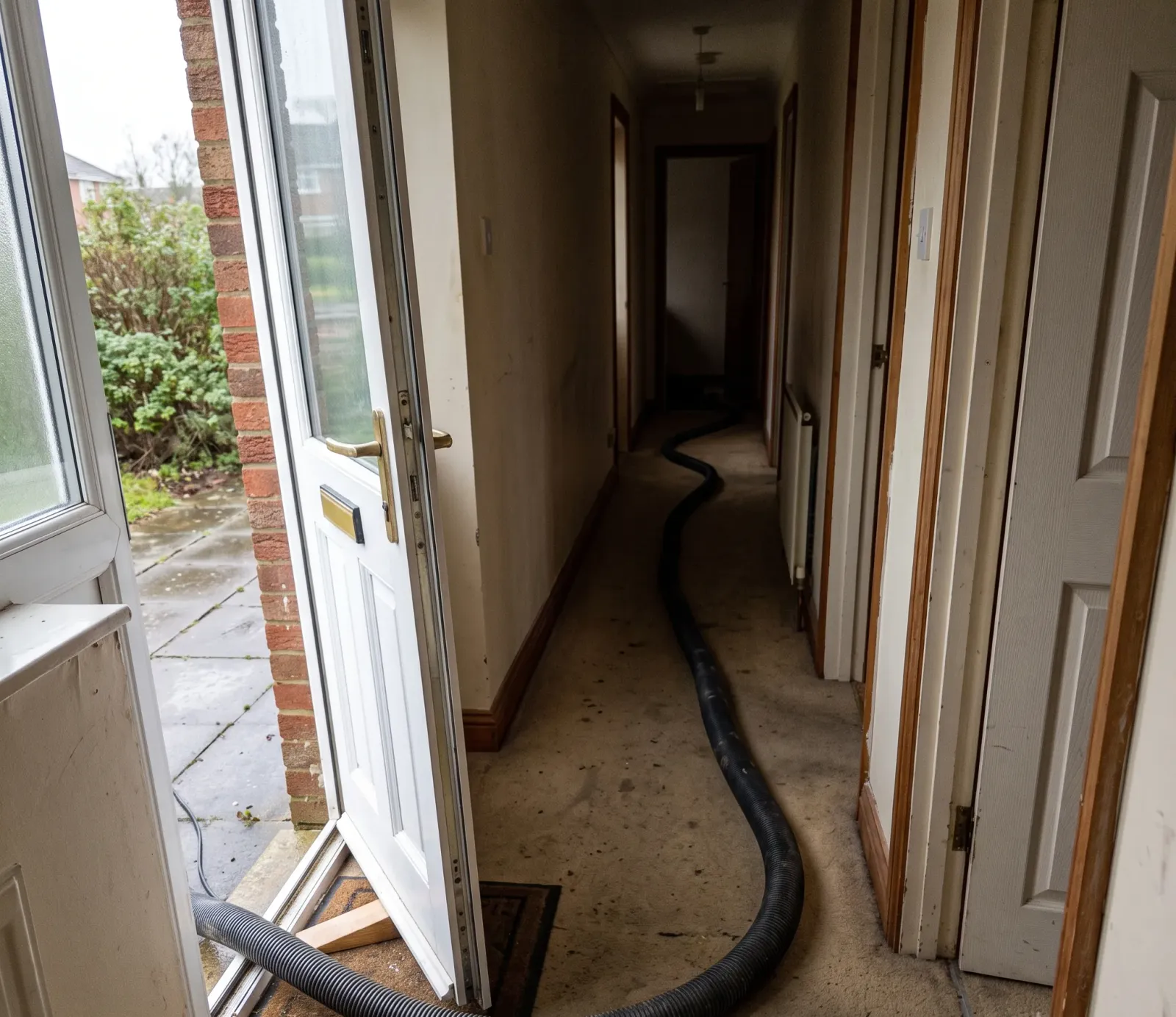
Emergency Water Extraction
Fast water removal when a pipe or storm floods your home.
Learn about Emergency Water ExtractionFormer industrial slabs and loft conversions change how water moves and dries.
West Midtown's redevelopment left a mix of slab-on-grade construction, from new-build condos to converted warehouses on old industrial lots. A burst pipe or roof leak here often means water spreading across an open slab rather than pooling in a basement, which changes how extraction and structural drying get approached.
Atlanta's clay soil and hilly streets near the Chattahoochee River push runoff into basements and crawl spaces fast after heavy rain.
Wood frame behind brick veneer over a crawl space is common in West Midtown 30318, and the crawl space is the part nobody looks at. A supply line that has been weeping for a month leaves damp joists, dark insulation and a smell in the rooms above long before a floor ever feels soft.
Being close to Proctor Creek and Chattahoochee River changes the whole picture. Standing water in gutters, low-lying yards, and poor drainage becomes a flooding risk within a week of heavy rain, so the first thing the licensed pros we connect you with do on these properties is walk the grounds for water paths.
Atlanta's humid summers slow drying in any building that takes on water. In West Midtown's converted industrial spaces, large open floor plates and older concrete slabs hold moisture differently than a typical house, so a moisture meter reading in one section can look nothing like the next. Storms cross this ridge-and-valley ground quickly, and runoff gathers in the low spots within hours rather than days. Water can rise and drop again before anyone reaches the property, so ringing early beats waiting until you can describe it tidily.
West Midtown 30318 has Atlanta Water Works nearby, which means multi-unit and commercial buildings as well as houses. Those jobs live or die on discretion and documentation — service outside trading hours, and a written record of every visit.
No call-out fee and no obligation. Here is roughly where West Midtown 30318 jobs price out before we have seen the property.
| Service | Estimated cost |
|---|---|
| Emergency Water Extraction | an estimated $450–$1600 |
| Basement & Crawl Space Water Removal | an estimated $900–$5500 |
| Storm & Severe Weather Damage | an estimated $2400–$12000 |
| Sewage Cleanup | an estimated $1900–$8000 |
Howell Mill Road runs through the heart of West Midtown's redeveloped corridor, lined with the lofts and mixed-use buildings that define this part of Atlanta. A slab under one of these adaptive-reuse buildings dries differently than a raised wood-frame floor nearby.
Atlantic Station sits near West Midtown as a large mixed-use development with its own drainage patterns across paved lots and structured parking. Heavy rain on this much impervious surface has to go somewhere fast when storm drains reach capacity.
The Georgia Tech area borders West Midtown, another stretch where older infrastructure meets newer construction. Homeowners near this edge of 30318 deal with the same slab-and-conversion mix that defines West Midtown proper.
West Midtown/Howell Mill is sometimes used as shorthand for this whole corridor, reflecting how tightly the neighborhood's identity is tied to that one road. Water damage response here has to account for both retail-level slabs and residential units above them.
Fast water removal when a pipe or storm floods your home.
Learn about Emergency Water Extraction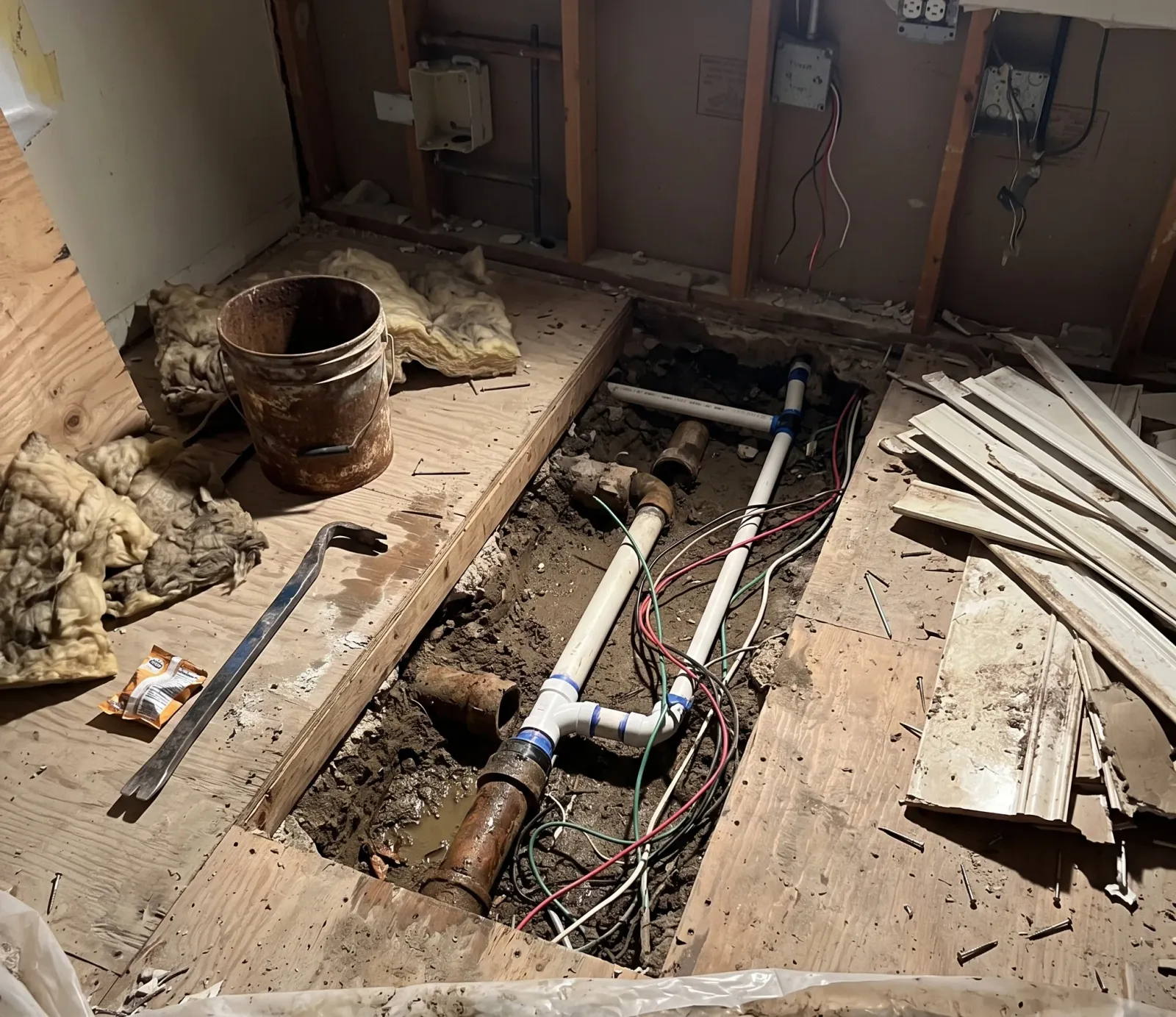
Getting standing water out of basements and crawl spaces fast.
Learn about Basement & Crawl Space Water Removal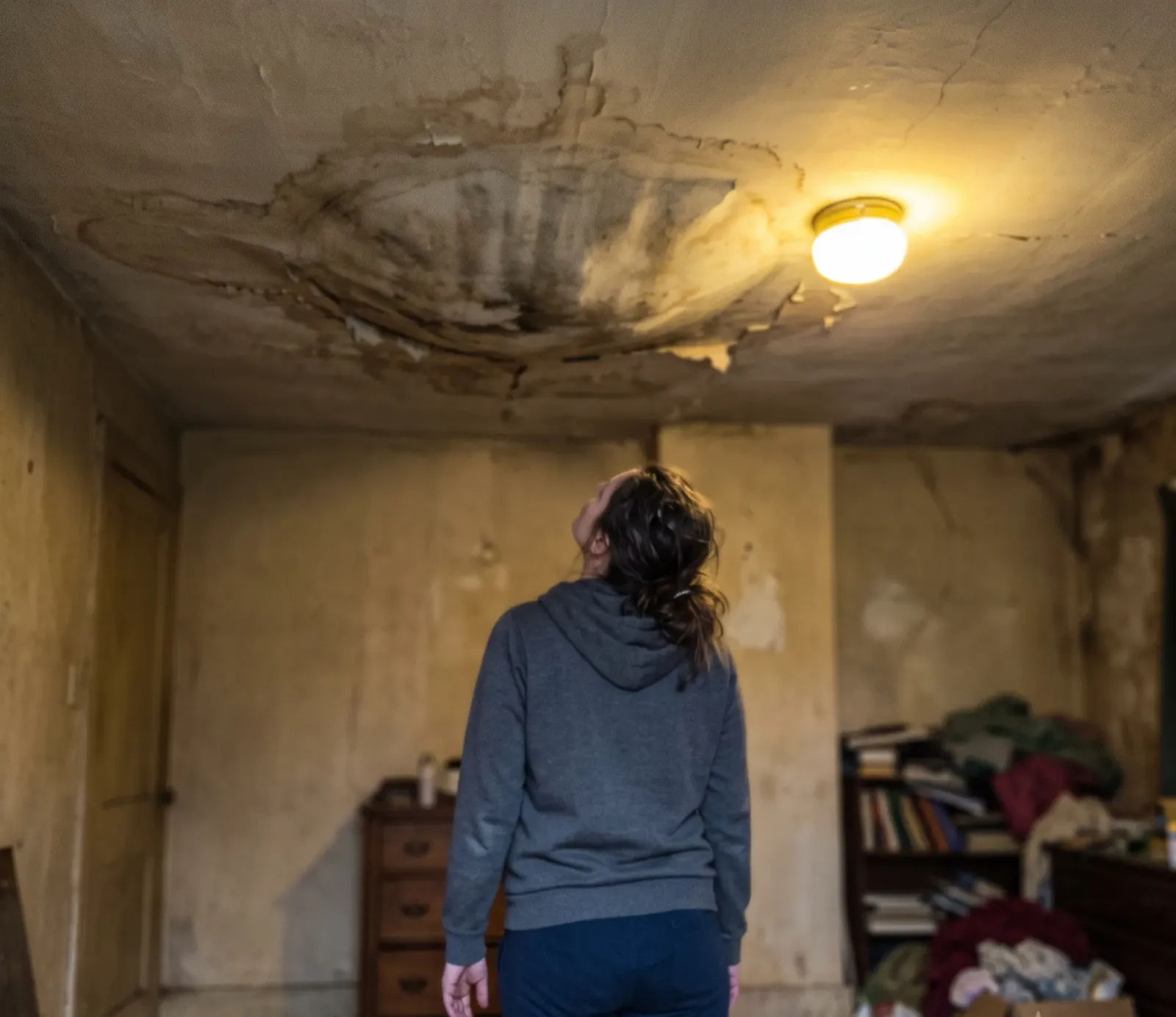
Fast tarping and board-up after Atlanta storms
Learn about Storm & Severe Weather Damage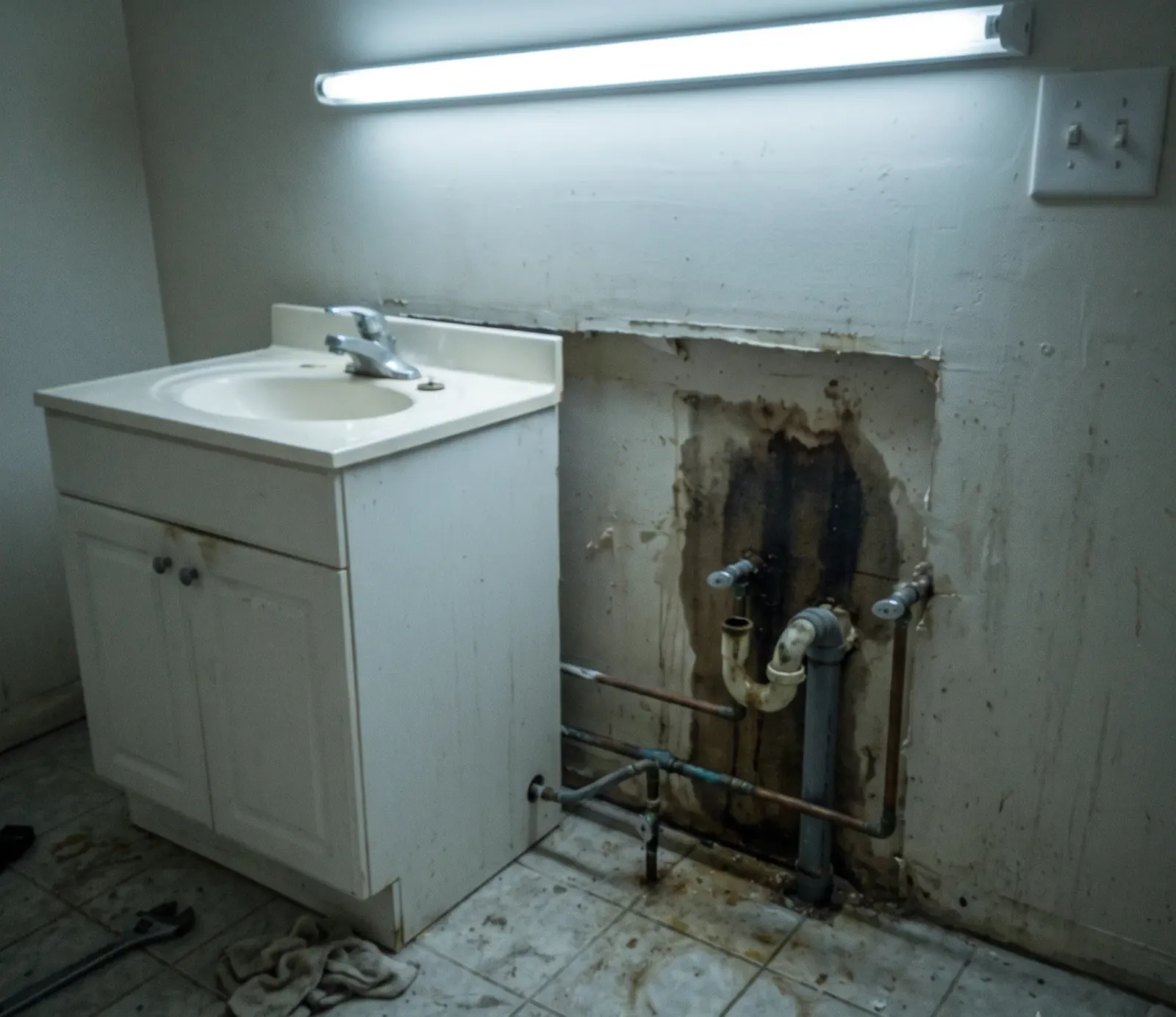
Many West Midtown buildings are converted warehouses with large open floor plates and slab-on-grade floors. Once water hits that open concrete, it travels across the whole footprint instead of being contained by interior walls the way a typical house layout would contain it. That means extraction often covers more square footage than the original leak suggests.
A slab holds moisture differently than a crawl space or basement. Water can seep into the concrete itself and into whatever flooring sits on top of it, so drying often means pulling flooring materials and running dehumidifiers longer than you would for a raised wood-frame floor. A moisture meter reading against the slab tells you how much longer the job will take.
Retrofit plumbing and HVAC runs in adaptive-reuse buildings sometimes tie into cast iron pipe or older lateral lines that weren't designed for current unit density. A sewer backup or slow drain in one unit can point to a line shared with several others, which is worth mentioning when you call for help so the cause gets checked, not just the symptom.
West Midtown's slab-on-grade lofts and new-build condos don't have a basement or crawl space to collect water, but a slab still traps it under flooring and drywall once a supply line or the building's older retrofit plumbing fails. In a former warehouse conversion, open floor plates let water travel farther before anyone notices. A moisture meter check on the slab and surrounding walls is the only way to confirm it's actually dried out.
Yes. The licensed pros we connect you with take emergency calls around the clock in West Midtown and the surrounding 30318 area, including burst pipes, roof leaks, and sewer backups that happen outside normal business hours. Getting extraction started quickly matters more than what time it is.
Usually the same day, yes. Urgent jobs jump the queue here: active flooding, a sewage backup, or water already reaching electrical outlets. Those are covered around the clock. Anything that can safely wait is booked at the standard rate instead.
Not every block in this part of Atlanta sits on the same ground or drains the same way after a hard rain. That difference matters more than most homeowners realize until water is already inside. Whatever combination of slope, soil, and foundation your house happens to have, the licensed pros we connect you with have worked this kind of ground before. Call and describe what's happening, and let someone who knows this area take it from there.
Call (404) 496-7950