Now taking calls — fast callback for urgent water damage · (404) 496-7950
Water damage guides and local advice for Atlanta, GA
Water Damage Restoration Blog

Water Damage Advice for Atlanta, GA

These guides answer the questions that come up mid-crisis, when a pipe has already burst under a slab in Adamsville or a summer storm has pushed water into a crawl space near the Chattahoochee River. They walk through what actually happens during drying, what an adjuster will ask about, and what tends to surprise people the first time.

Practical Advice, Built Around the Local Season

Atlanta's mix of old basements in Grant Park, brick-ranch crawl spaces further out, and newer slab construction near West Midtown means no two water losses behave the same way. One post might cover why red clay holds water against a foundation wall; another explains why humidity near Piedmont Park slows drying and raises mold risk faster than people expect.

Some readers land here searching for a fix at 2 a.m.; others are comparing an insurance estimate against what the licensed pros we connect you with actually quoted. Either way, the goal is the same plain answer: what this specific problem usually involves, what it tends to cost, and what to check before signing anything.
All Articles

Water Damage Restoration Guides for Atlanta Homeowners

7 Signs of Hidden Water Damage You Shouldn't Ignore in Atlanta
Water Damage

7 Signs of Hidden Water Damage You Shouldn't Ignore in Atlanta

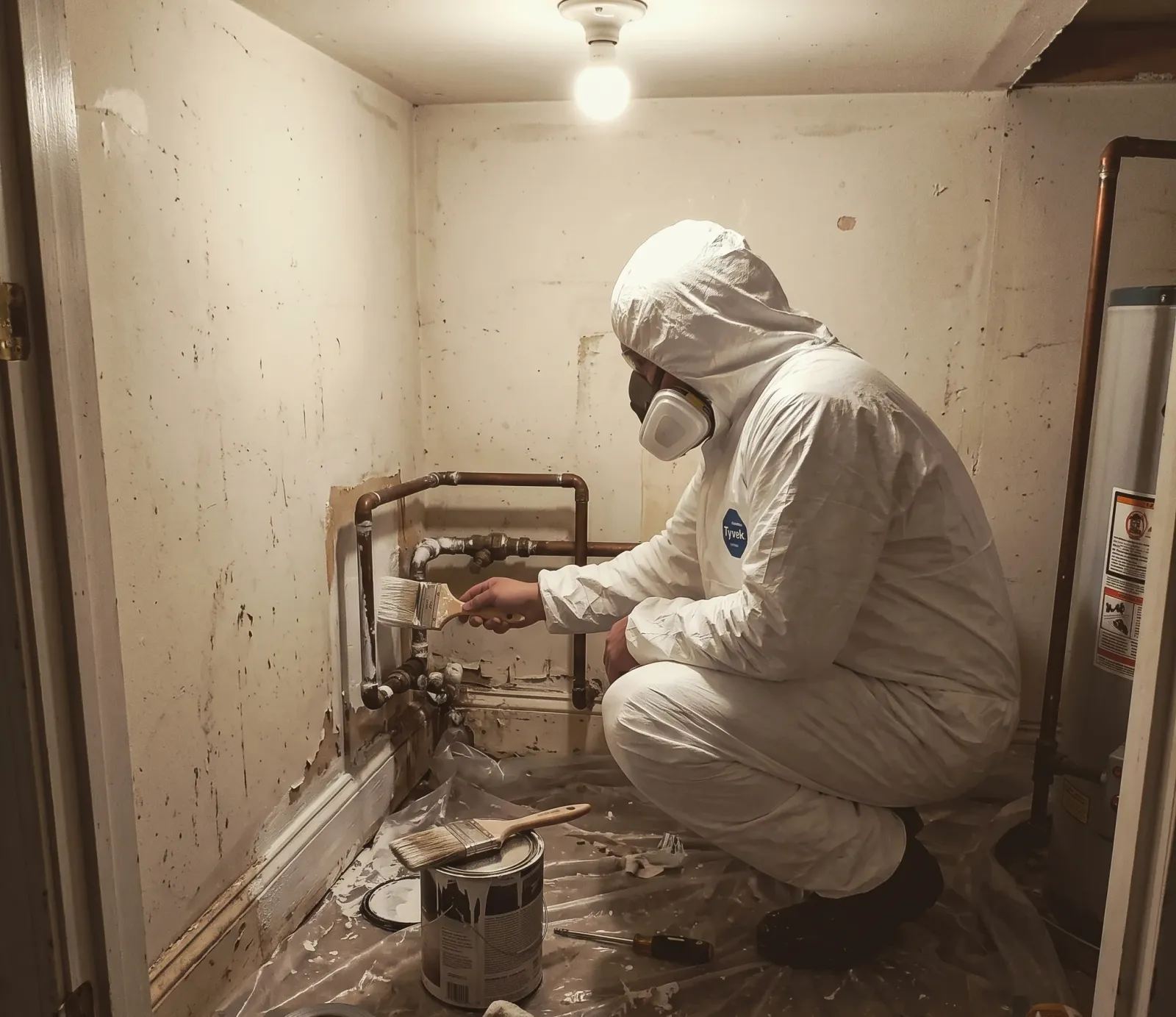
Peeling paint, a warped baseboard, or a musty smell that won't go away can point to water damage hiding behind Atlanta walls and floors long before it becomes obvious.

Read article
What to Do When Your Water Heater Bursts in Atlanta, GA
Water Damage

What to Do When Your Water Heater Bursts in Atlanta, GA

A water heater tank failure floods a utility space fast. Here is the order of steps that actually limits the damage: shutoff valve, main water shutoff, breaker, standing water, and what to document before cleanup starts.

Read article
Preparing Your Atlanta Home for a Hard Freeze
Local & Seasonal

Preparing Your Atlanta Home for a Hard Freeze

Atlanta's plumbing wasn't built for sustained cold, so a single hard freeze can catch a house off guard. Here's what to check before one arrives: exposed supply lines, hose bibs, cabinet doors, the thermostat setting, and where the main shutoff actually is.

Read article
Why Atlanta Creeks Flood So Fast After a Storm
Local & Seasonal

Why Atlanta Creeks Flood So Fast After a Storm

A look at why small Atlanta creek watersheds like Peachtree, Nancy, Proctor, and Utoy can flood within an hour of hard rain, what that water carries with it, and how creek flooding differs from an ordinary wet yard.

Read article
Why Does My House Always Smell Musty in Atlanta?
Mold

Why Does My House Always Smell Musty in Atlanta?

A musty smell in an Atlanta home can mean ordinary summer humidity or a hidden moisture source that has been sitting for a while. Here is how to tell which one you are actually smelling and where to look first.

Read article
HOA and Condo Water Damage: Who Pays for What in Georgia?
Insurance & Legal

HOA and Condo Water Damage: Who Pays for What in Georgia?

When a leak crosses from common elements into a single unit, the master policy and the owner's own policy don't always agree on who's responsible — here's how that line is usually drawn.

Read article
What Georgia Landlord-Tenant Law Says About Water Damage
Insurance & Legal

What Georgia Landlord-Tenant Law Says About Water Damage

Georgia law puts a habitability duty on landlords for water damage, but the repair timeline, notice rules, and tenant remedies are easy to get wrong without reading the actual standard.

Read article
Documenting Water Damage for an Atlanta Claim
Insurance & Legal

Documenting Water Damage for an Atlanta Claim

Before cleanup starts, a few minutes with a phone camera can make or break a claim. Here's what to photograph, film, and log in an Atlanta home before anyone touches the damage, from wide shots to serial numbers.

Read article
Atlanta Homeowners: Public Adjuster or Insurance Adjuster?
Insurance & Legal

Atlanta Homeowners: Public Adjuster or Insurance Adjuster?

A staff adjuster and an independent adjuster both work for the insurance company. A public adjuster works only for the homeowner. Here is what separates the two roles in an Atlanta claim, and why it matters once estimates disagree.

Read article
Why Mold Returns After DIY Cleanup in Atlanta Homes
Mold

Why Mold Returns After DIY Cleanup in Atlanta Homes

A wall that keeps growing mold after every cleaning usually has a hidden moisture source behind it. Here is why surface cleaning alone can't stop recurring growth, and what actually finding the source in a crawl space, attic, or wall cavity involves before it comes back again.

Read article
Is Black Mold Dangerous? What Atlanta Homes Face
Mold

Is Black Mold Dangerous? What Atlanta Homes Face

Stachybotrys, the black mold myth, and what air quality testing and species identification actually tell an Atlanta homeowner about real health risk.

Read article
Condensation or Real Leak? Reading Your Atlanta Home
Water Damage

Condensation or Real Leak? Reading Your Atlanta Home

A stain under an Atlanta attic air handler is not automatically a roof problem. Here is how the drip pattern, timing, and location tell a condensate issue apart from a real leak.

Read article
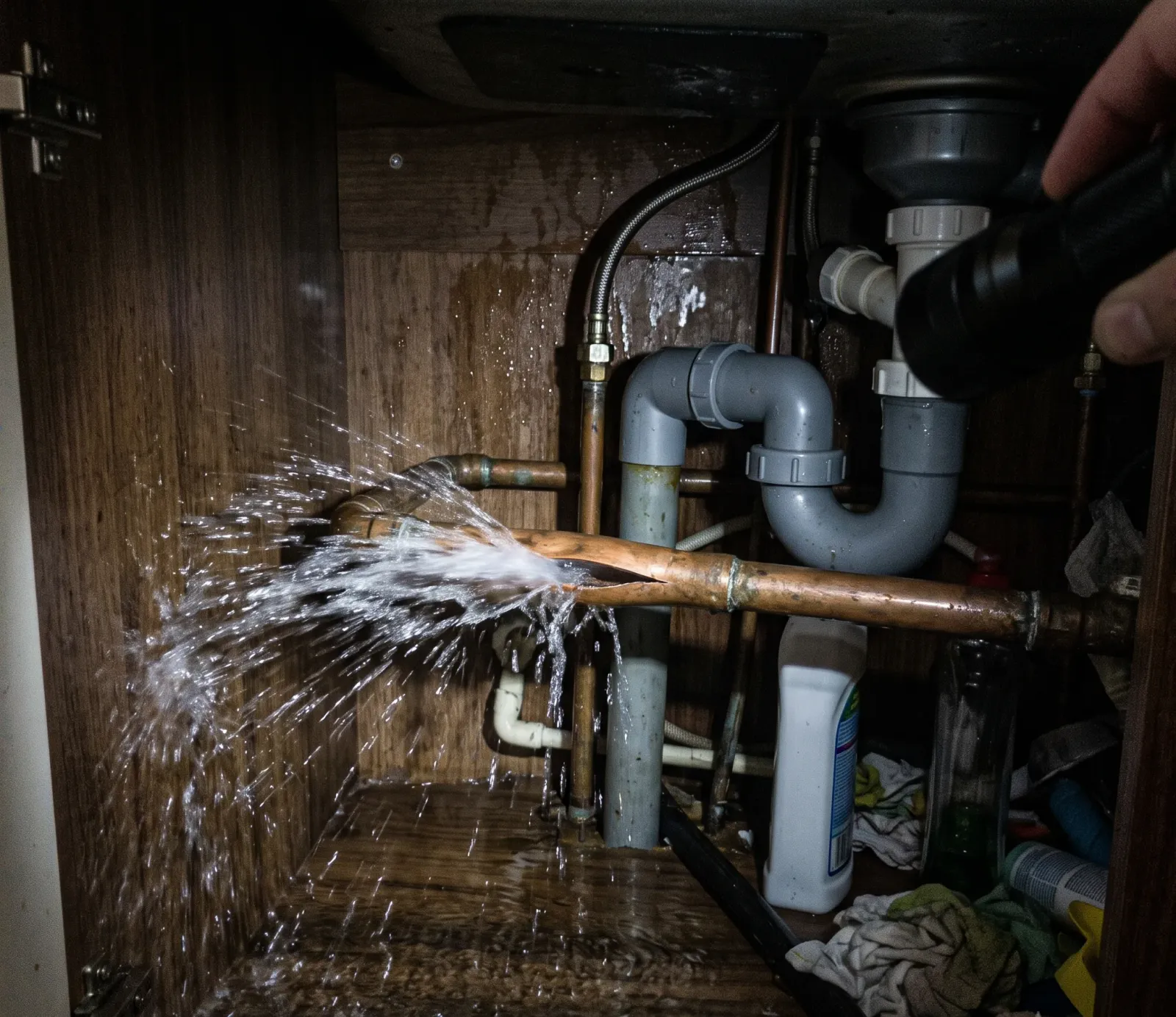
What to Do If Your Toilet Overflows With Sewage in Atlanta, GA
Water Damage

What to Do If Your Toilet Overflows With Sewage in Atlanta, GA

A sewage overflow is a biohazard, not a normal toilet clog. What to shut off first, how to protect yourself, and which steps actually contain contamination before help arrives.

Read article
Why Older Atlanta Homes Are Prone to Sewer Line Backups
Local & Seasonal

Why Older Atlanta Homes Are Prone to Sewer Line Backups

Recurring sewer backups in older Atlanta homes usually trace back to aging cast iron drain lines and clay sewer laterals, not bad luck. Here's why that pipe age matters and what the warning signs actually look like before a backup becomes a real cleanup.

Read article
Gutter and Downspout Checks for Atlanta Homes
Local & Seasonal

Gutter and Downspout Checks for Atlanta Homes

Most basement seepage in Atlanta starts at the roofline. A look at what clogged gutters and short downspouts actually do to a foundation wall, and the ground-level signs that show it's already happening.

Read article
How Georgia Humidity Affects Water Damage Drying Time
Water Damage

How Georgia Humidity Affects Water Damage Drying Time

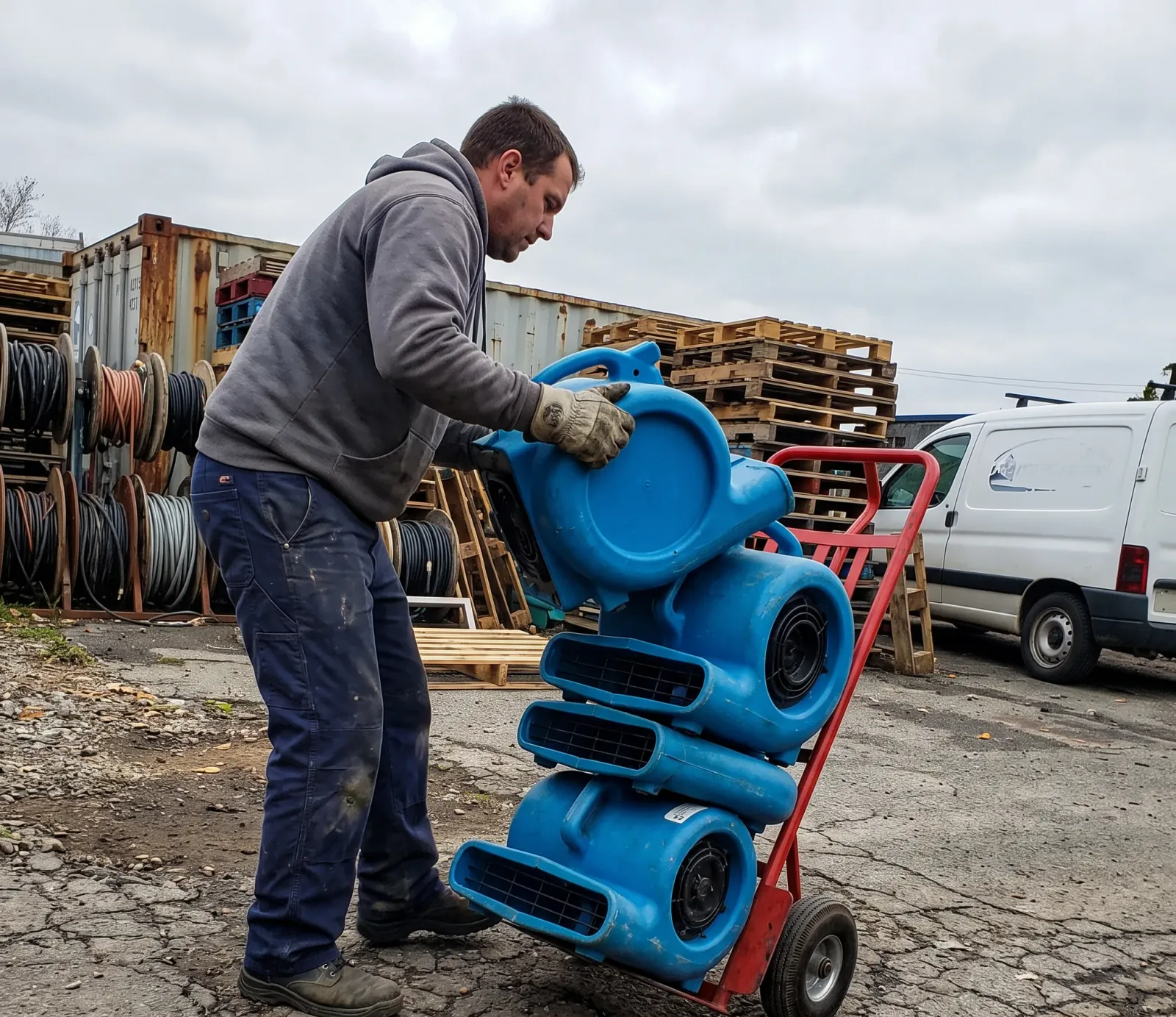
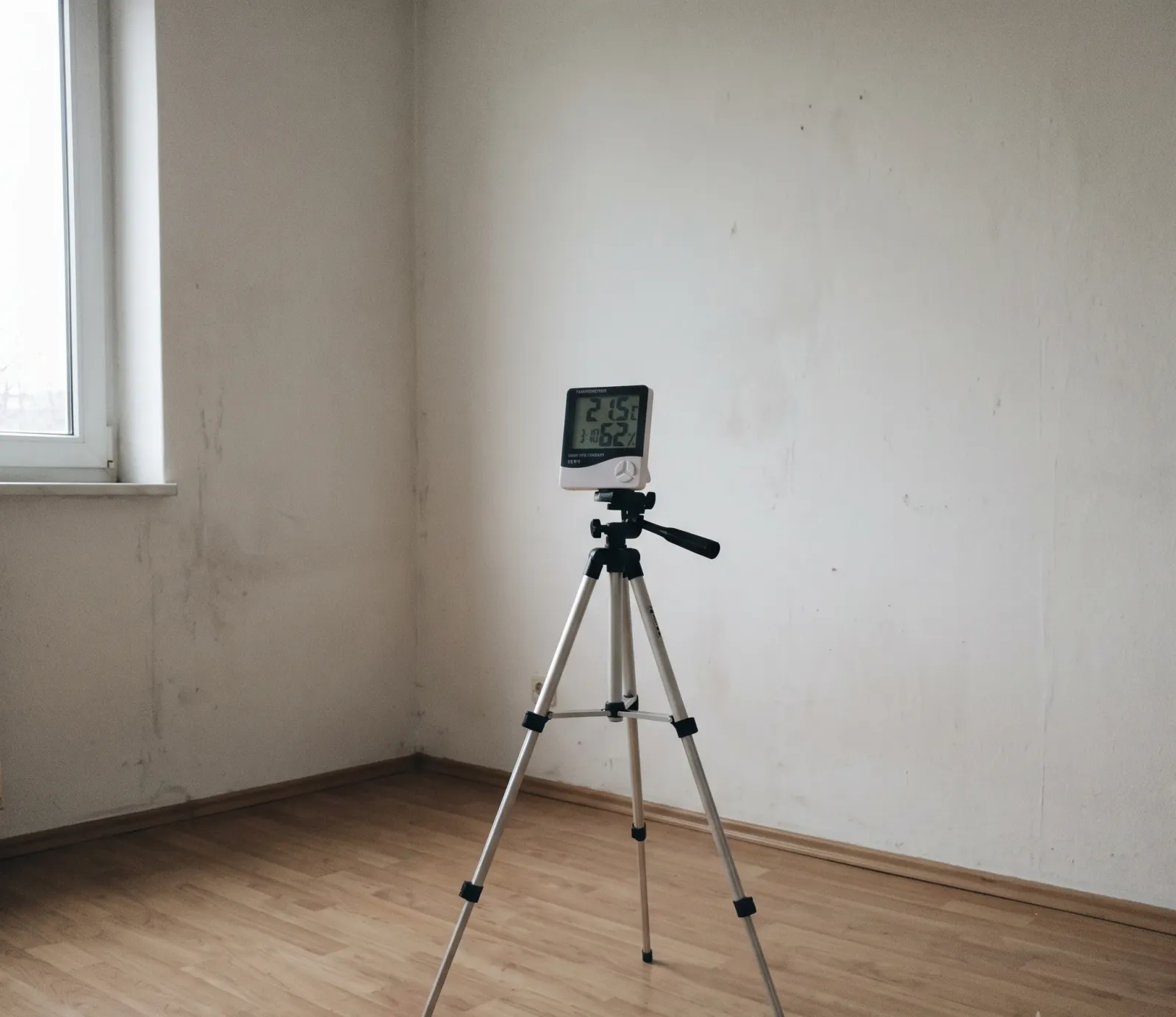
Atlanta's humid climate does more to slow indoor drying than most people expect. This article explains relative humidity, dew point, and vapor pressure in plain terms, and why dehumidifiers here often have to run longer than they would in a drier region.

Read article
How Atlanta Crews Find Water Hiding Behind a Wall
Water Damage

How Atlanta Crews Find Water Hiding Behind a Wall

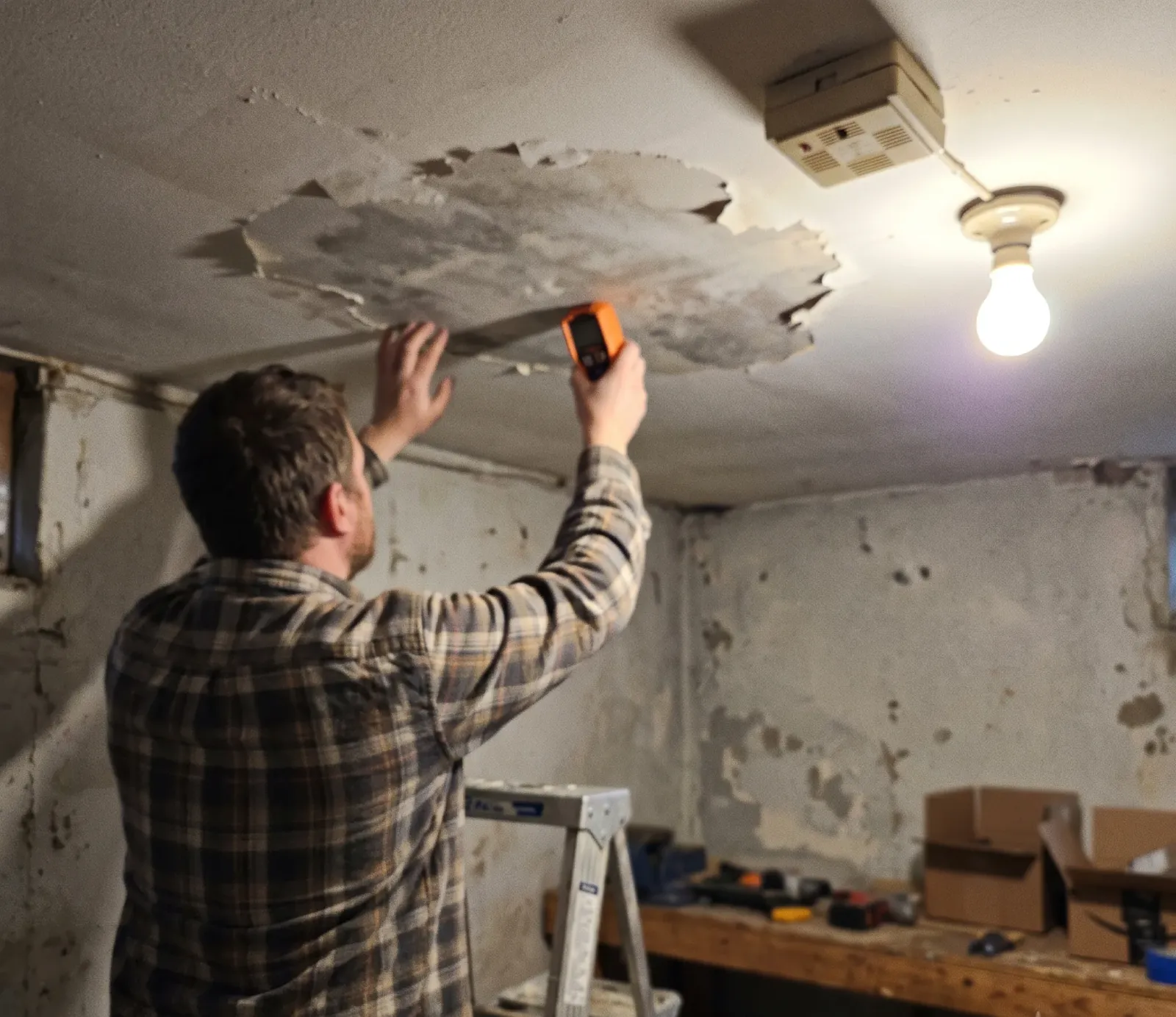
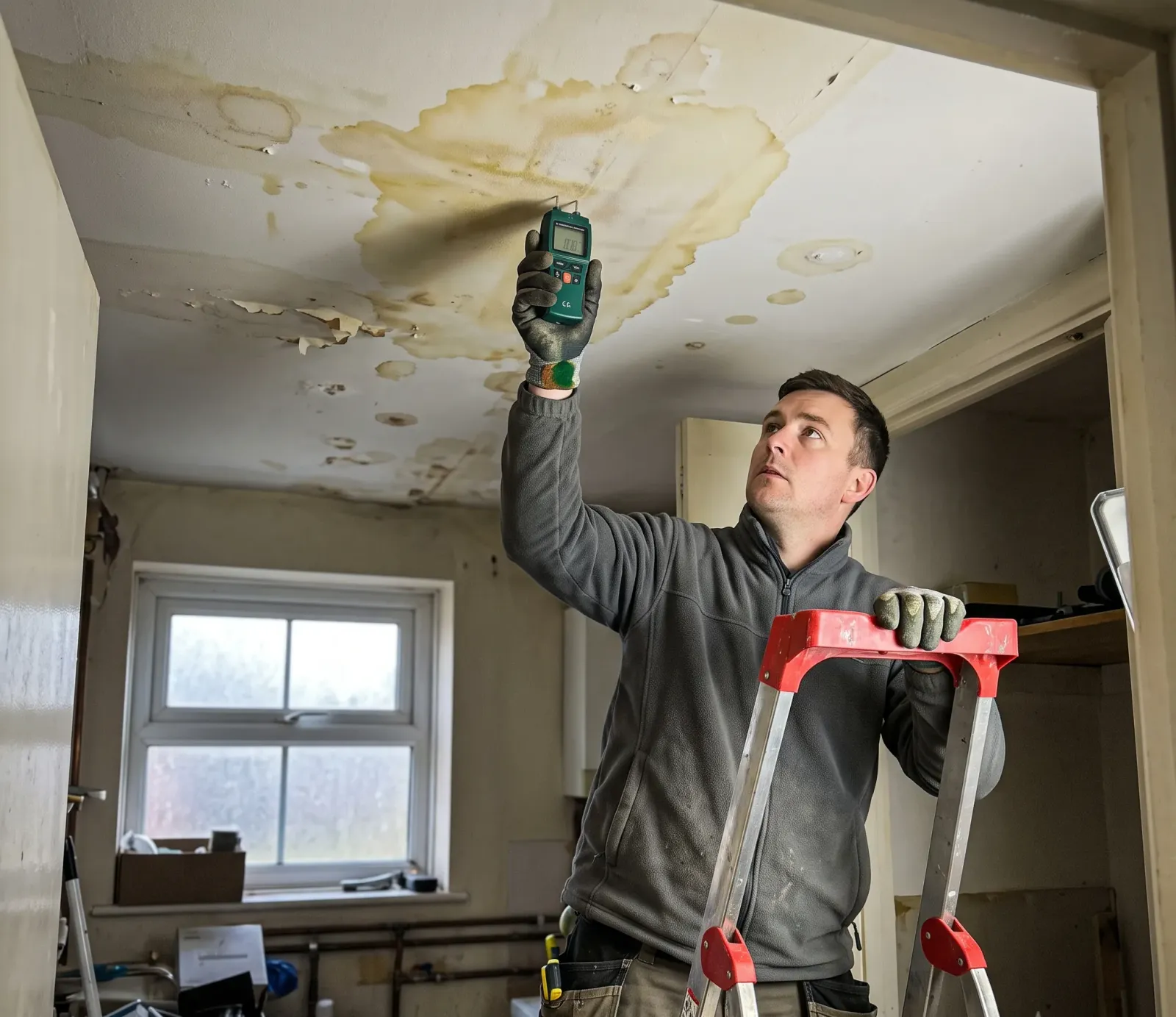
Infrared cameras can find damp drywall, wet subflooring, and moisture behind a finished wall without a single cut, but the image alone isn't proof of water. Here's how a thermal scan actually works, where it gets misread, and why it's always paired with a moisture meter before any drying decision gets made.

Read article
Moisture Meters: How Atlanta Crews Know You Are Really Dry
Water Damage

Moisture Meters: How Atlanta Crews Know You Are Really Dry

Pin and pinless moisture meters read water inside walls and floors that look dry from the surface. Here is how a reference reading and a dry standard actually work.

Read article
Flood vs Water Backup: What Atlanta Policies Miss
Insurance & Legal

Flood vs Water Backup: What Atlanta Policies Miss

Flood exclusion or sewer backup: two different gaps in a standard Atlanta homeowners policy, and two different ways to close them before a storm proves which one is missing.

Read article
Inside an Atlanta Contents Pack-Out After Water Damage
Water Damage

Inside an Atlanta Contents Pack-Out After Water Damage

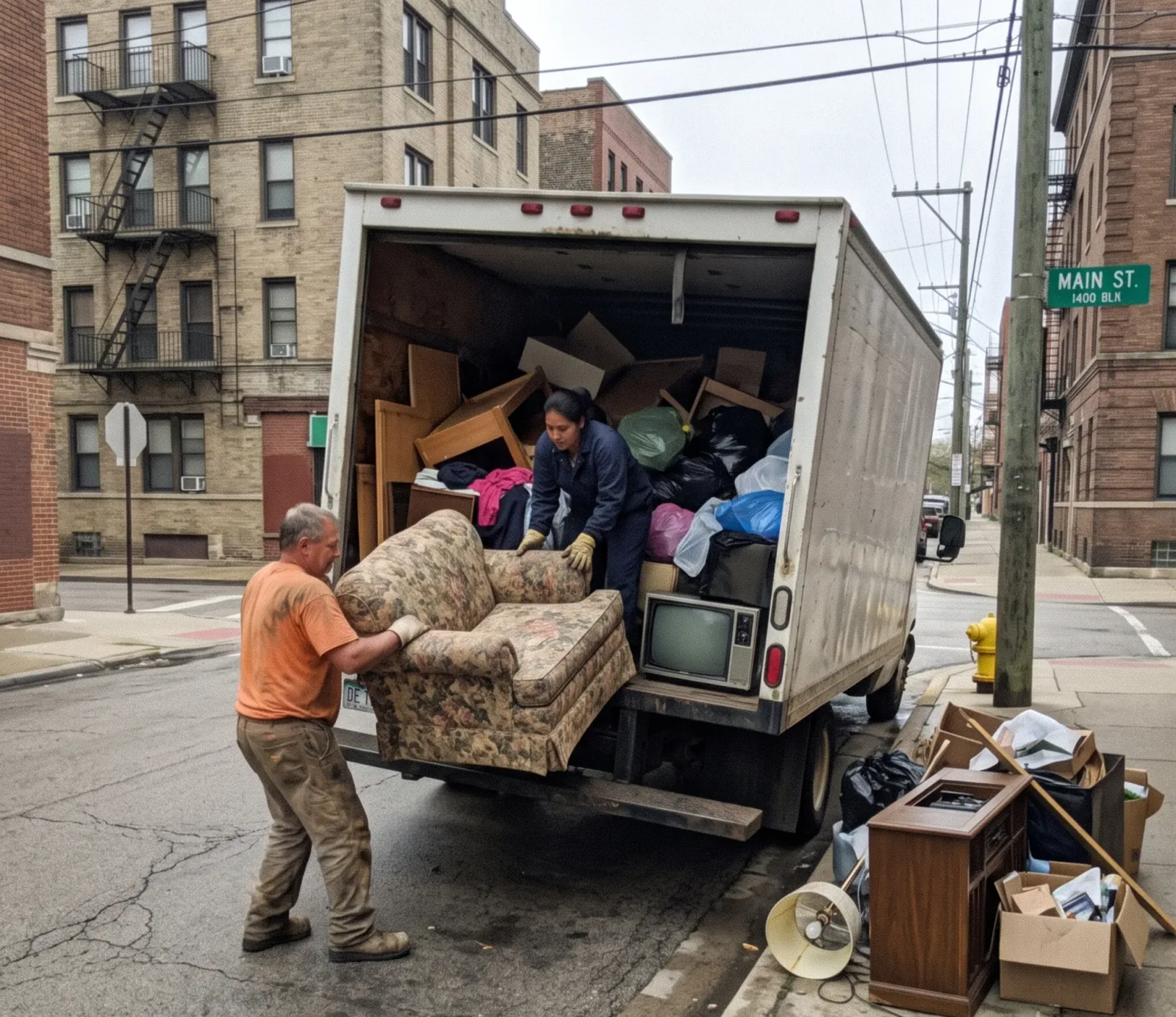
A room full of water-damaged belongings does not just get thrown out or left in place. Here is what actually happens during a pack-out, from the first inventory sheet to the last box coming home.

Read article
Atlanta Water Damage Checklist Before Help Arrives
Water Damage

Atlanta Water Damage Checklist Before Help Arrives

The shutoff valve, the breaker, the furniture legs, the photo record: a short, ordered list of what to do with your own hands in an Atlanta home before anyone else gets there.

Read article
Red Clay and What It Does to an Atlanta Foundation
Local & Seasonal

Red Clay and What It Does to an Atlanta Foundation

Atlanta sits on red clay over saprolite, soil that drains slowly and shrinks back from a foundation in dry weather. Here's what that means for grading, downspouts, and telling seepage apart from real structural movement.

Read article
Questions & Answers

Frequently Asked Questions

Which Atlanta neighborhoods flood or back up worst?

It depends more on lot and infrastructure than neighborhood name. Older intown streets near downtown and the Old Fourth Ward often run on combined sewer lines, so heavy rain can push sewage back through a floor drain, not just clean water. Elsewhere, red clay drains slowly and collects against foundations after storms along creek-adjacent lots near the Chattahoochee or South River. A hillside lot in Grant Park and a slab home near Camp Creek Parkway face different water problems entirely, so an inspection matters more than the address.

Does Atlanta's red clay soil cause basement flooding?

Not really, and the difference matters. Piedmont clay under Atlanta swells and cracks moderately, nothing close to the high-shrink clay found in parts of Texas. What drives basement and crawl space intrusion here is drainage: this clay is slow to absorb water, so runoff from a hard rain near Peachtree Creek or the South River tends to pool against a foundation instead of soaking in. Older intown blocks near Grant Park or Virginia-Highland add aging sewer lines to that same setup.

Why does my basement in Grant Park flood every time it rains?

Older Atlanta neighborhoods like Grant Park and Candler Park sit on hilly lots where red clay soil drains slowly and holds water against foundation walls after a storm. Many of these homes have full or daylight basements built when the lot's slope allowed it, so runoff finds any gap in the wall or floor. Heavy rain concentrates fast on this terrain, which is why the water shows up within hours, not days.

Get Started Today

More on Water Damage

These articles walk through what actually happens after a pipe bursts or a storm pushes water past a foundation wall near Peachtree Creek or the Chattahoochee — what dries fast, what a mold clock looks like in this humidity, and what an insurer typically asks for first. Read the one closest to your situation, then call. A quick phone conversation sorts out whether a technician needs to come look today or whether the fix is smaller than it feels right now.

Call (404) 496-7950
Free inspections & same-day service available
Call (404) 496-7950 Schedule Online