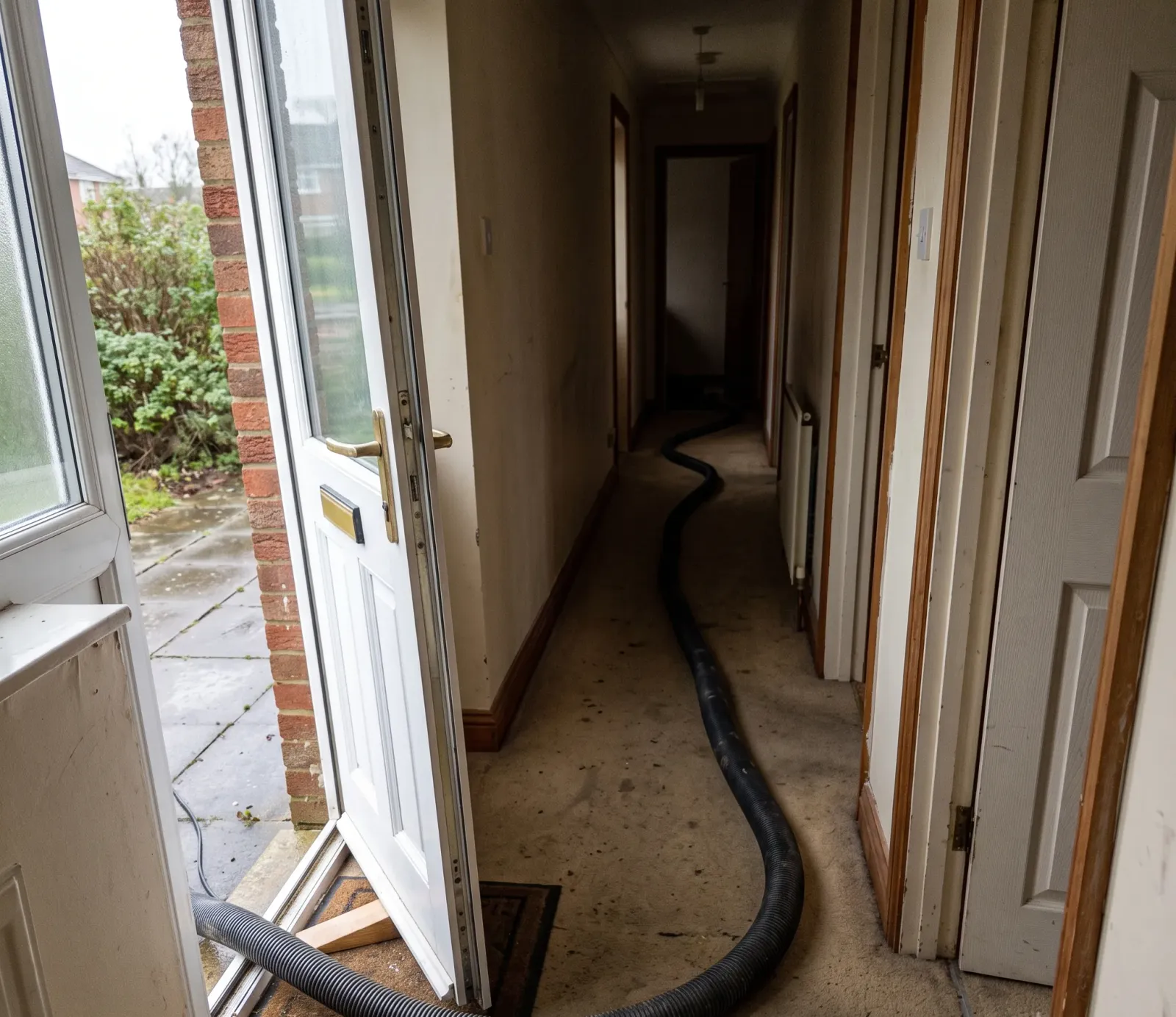
Emergency Water Extraction
Fast water removal when a pipe or storm floods your home.
Learn about Emergency Water ExtractionOld core buildings on the combined sewer system near Peachtree Creek runoff.
Downtown Atlanta 30303 is built dense along Peachtree Street and Marietta Street, with older buildings tied into the city's combined sewer system. Heavy rain here means fast street runoff, basement-level intrusion in older structures, and slow drying once red clay soil and humid air get involved.
Atlanta's clay soil and hilly streets near the Chattahoochee River push runoff into basements and crawl spaces fast after heavy rain.
Older houses in Downtown Atlanta 30303 have generally been worked on more than once, and every round of work left a seam. A lower level finished in the nineties or a bathroom added off the back covers the original outside wall, so a slow leak behind it can run for months with nothing showing in the room.
Being close to Peachtree Creek and South River changes the whole picture. Standing water in gutters, low-lying yards, and poor drainage becomes a flooding risk within a week of heavy rain, so the first thing the licensed pros we connect you with do on these properties is walk the grounds for water paths.
Downtown Atlanta sits near the top of the city's elevation range, but heavy rain still overwhelms streets and storm drains fast because so much ground here is paved over. Humid summers slow drying afterward, so a wet basement or crawl space left alone tends toward mold within days, not weeks. Summer brings the opposite problem: heat and humidity thick enough that a wet crawl space or closet never really dries on its own. Afternoon storms arrive fast and heavy, and the moisture that gets in during one of those cells hangs in the air for days instead of evaporating.
Downtown Atlanta 30303 has Georgia State University, Underground Atlanta nearby, which means multi-unit and commercial buildings as well as houses. Those jobs live or die on discretion and documentation — service outside trading hours, and a written record of every visit.
No call-out fee and no obligation. Here is roughly where Downtown Atlanta 30303 jobs price out before we have seen the property.
| Service | Estimated cost |
|---|---|
| Emergency Water Extraction | an estimated $450–$1600 |
| Commercial Water & Fire Damage Restoration | an estimated $2800–$15000 |
| Storm & Severe Weather Damage | an estimated $2400–$12000 |
Georgia State University's campus area sits inside 30303, with older academic and residential buildings whose basements and lower floors can take on water when storm drains along nearby streets back up during a hard rain.
Underground Atlanta sits below street level in the heart of downtown, and any structure built partly or fully below grade in this district faces a harder path to drying out once water gets in and humidity holds it there.
The Georgia State Capitol and the state government office buildings nearby are part of the same dense, older downtown footprint, where aging cast iron pipe and combined sewer lines make backups a real concern during heavy storms.
Five Points and the MARTA Five Points Station anchor downtown's transit core, surrounded by older commercial buildings where a roof leak or a burst pipe can go unnoticed for a while in an upper floor before it reaches ground level.
Fast water removal when a pipe or storm floods your home.
Learn about Emergency Water Extraction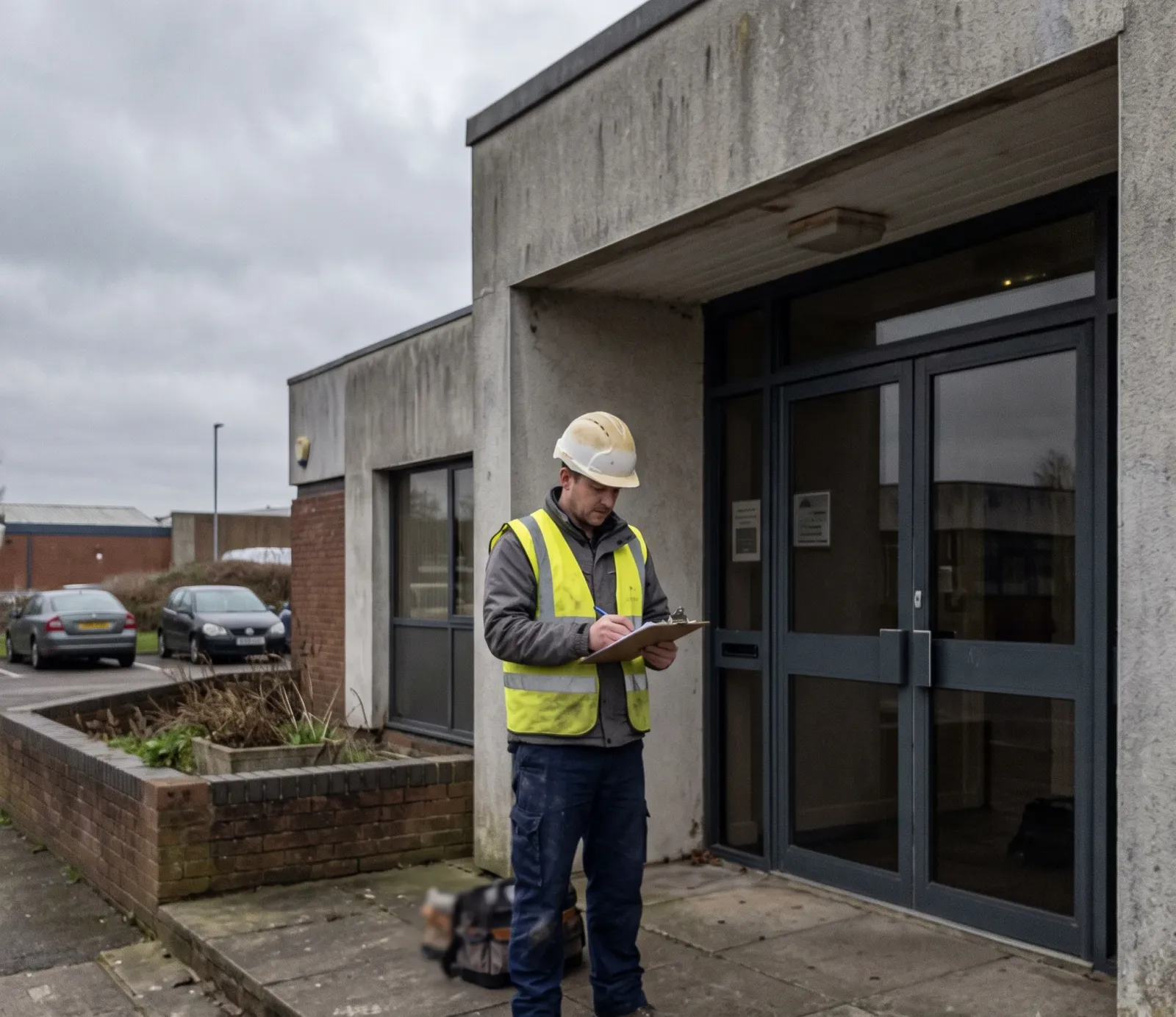
Large-loss response built around your business staying open.
Learn about Commercial Water & Fire Damage Restoration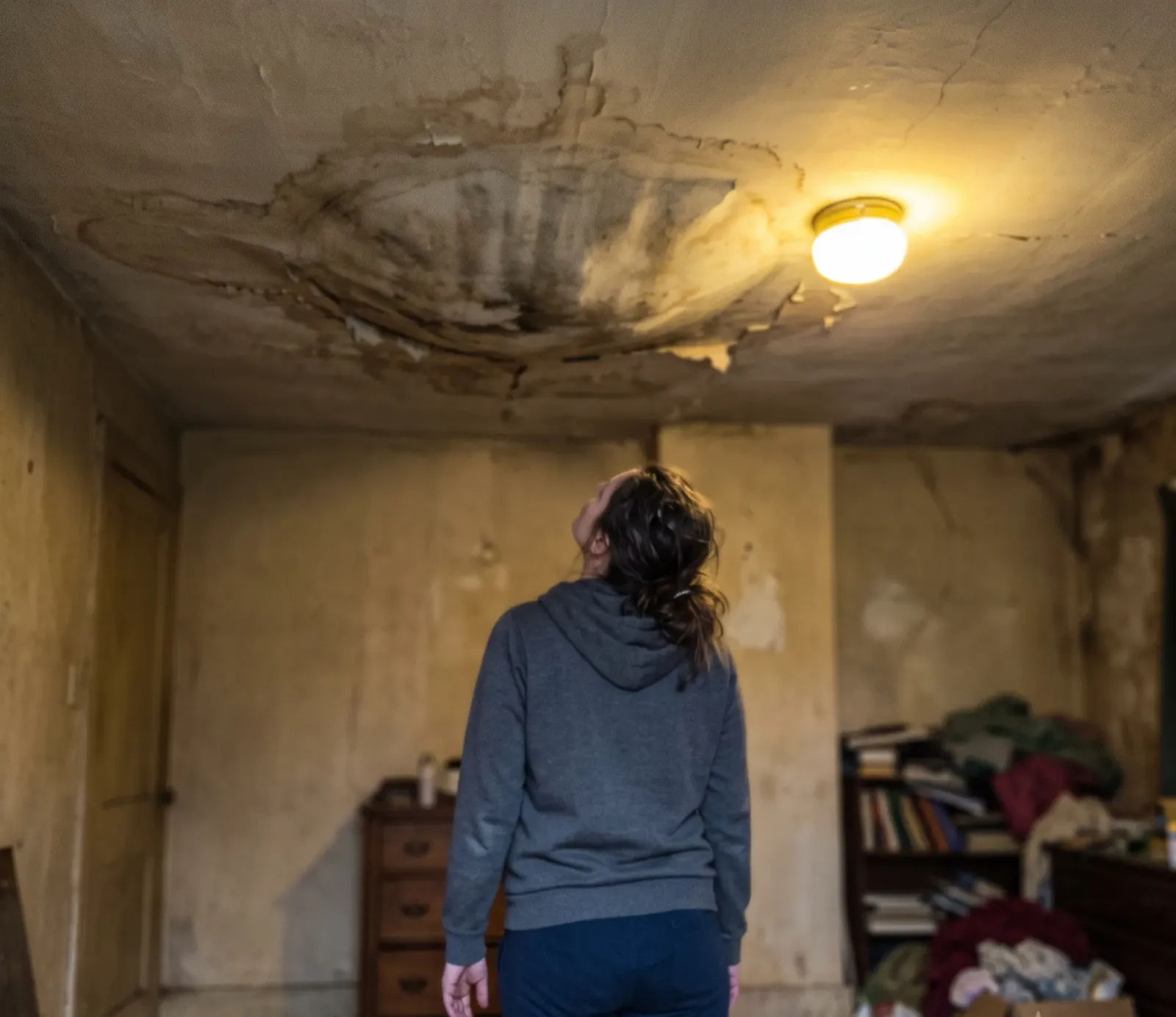
Fast tarping and board-up after Atlanta storms
Learn about Storm & Severe Weather Damage
Downtown's older streets and buildings sit on a lot of paved, built-up ground, so rain runs off into storm drains fast instead of soaking into soil. When those drains and the combined sewer lines beneath downtown fill up quickly, water backs up into low points and basements before a storm even lets up.
Yes. Parts of downtown Atlanta still run on a combined sewer system, and older cast iron pipe under buildings near Peachtree Street and Marietta Street can back up during heavy rain. That backup can push water into basement-level spaces faster than most people expect.
The licensed pros we connect you with treat a flooded basement as an emergency call and aim to reach downtown addresses quickly, day or night. Once on site, they start water extraction right away, since standing water in a below-grade space only gets harder to deal with the longer it sits.
Downtown's humid air, especially in summer, slows evaporation, so wet drywall and framing hold moisture longer than they would in a drier climate. Structural drying with commercial dehumidifiers and daily moisture meter checks is what actually gets a building back to a safe, dry state instead of just looking dry.
Standard homeowners policies typically pay for sudden events like a burst pipe, but backups that come up through a drain or a sump pump failure are usually a separate add-on you have to buy ahead of time. Check your own policy before assuming coverage. Downtown Atlanta's older lines and combined sewer sections make backups after a hard rain a real possibility, not a rare one.
Usually the same day, yes. Urgent jobs jump the queue here: active flooding, a sewage backup, or water already reaching electrical outlets. Those are covered around the clock. Anything that can safely wait is booked at the standard rate instead.
Not every block in this part of Atlanta sits on the same ground or drains the same way after a hard rain. That difference matters more than most homeowners realize until water is already inside. Whatever combination of slope, soil, and foundation your house happens to have, the licensed pros we connect you with have worked this kind of ground before. Call and describe what's happening, and let someone who knows this area take it from there.
Call (404) 496-7950