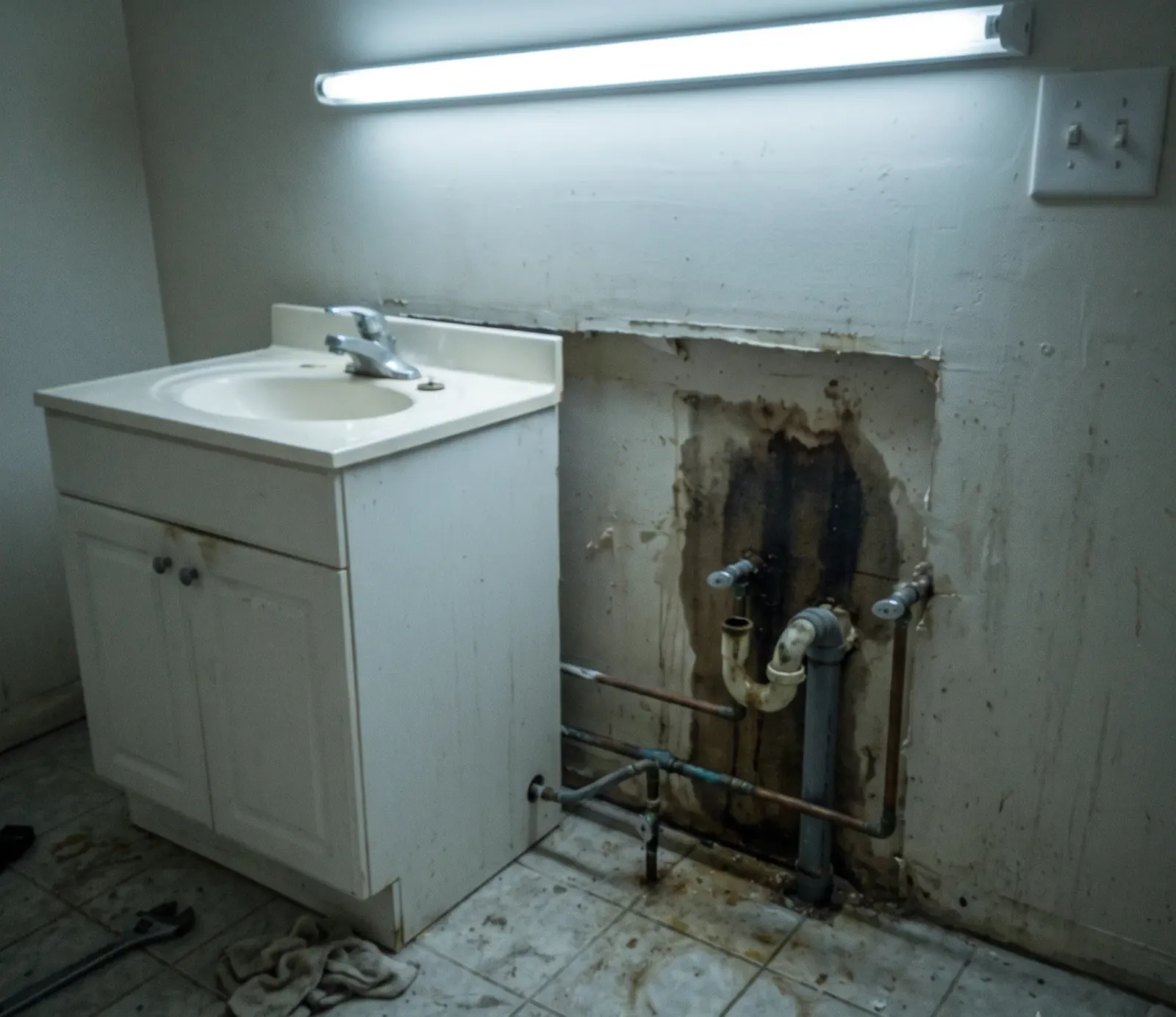
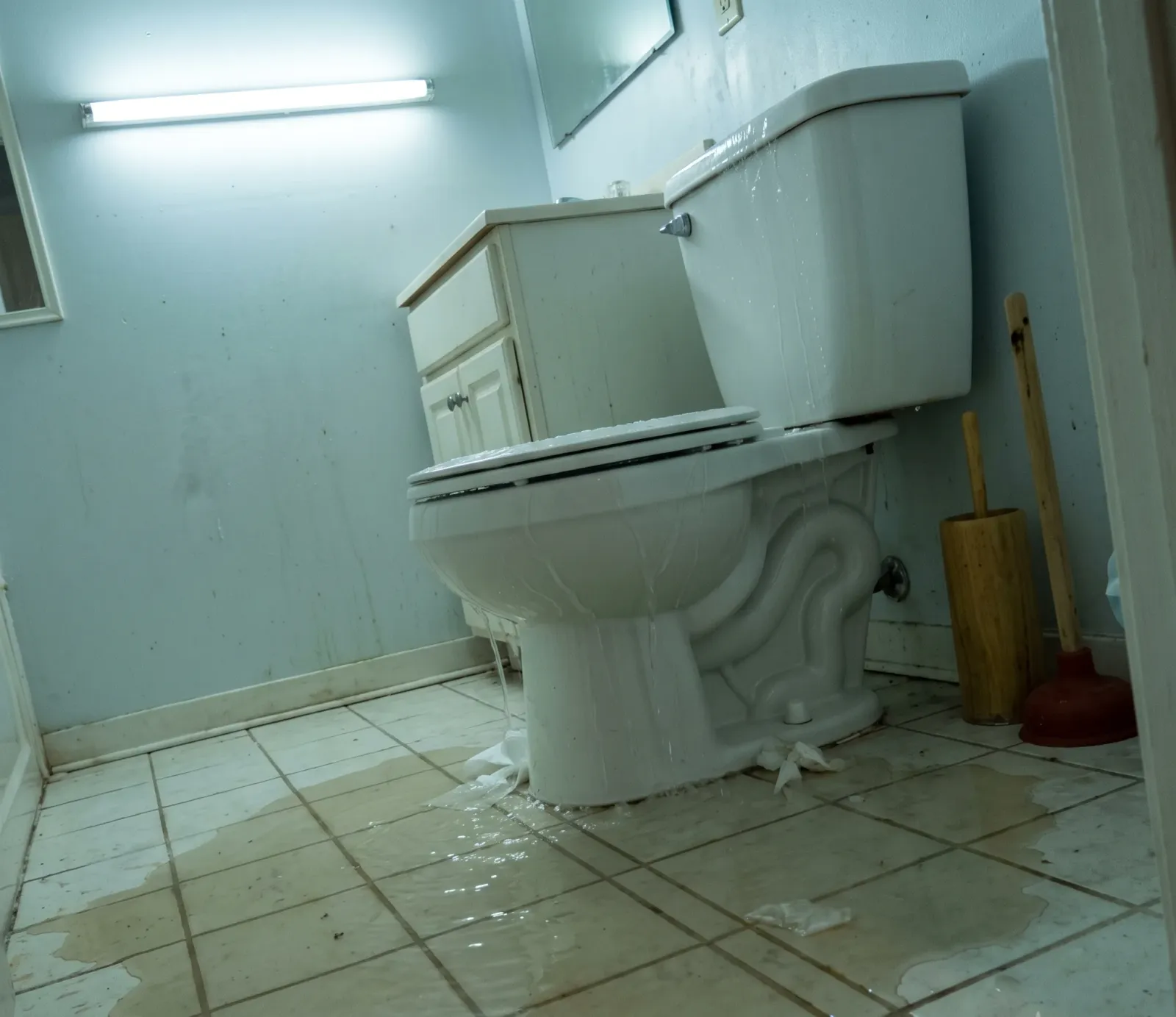
Grant Park, Candler Park, and Virginia-Highland carry sewer lines old enough to have earned their gray hair, and when heavy rain pushes past what an aging cast iron line can move, some of that flow has nowhere to go but back into the nearest house. What comes up through a floor drain or a basement fixture after a sewage backup is black water — grossly contaminated, carrying pathogens, and treated as a biohazard from the first minute anyone steps near it.
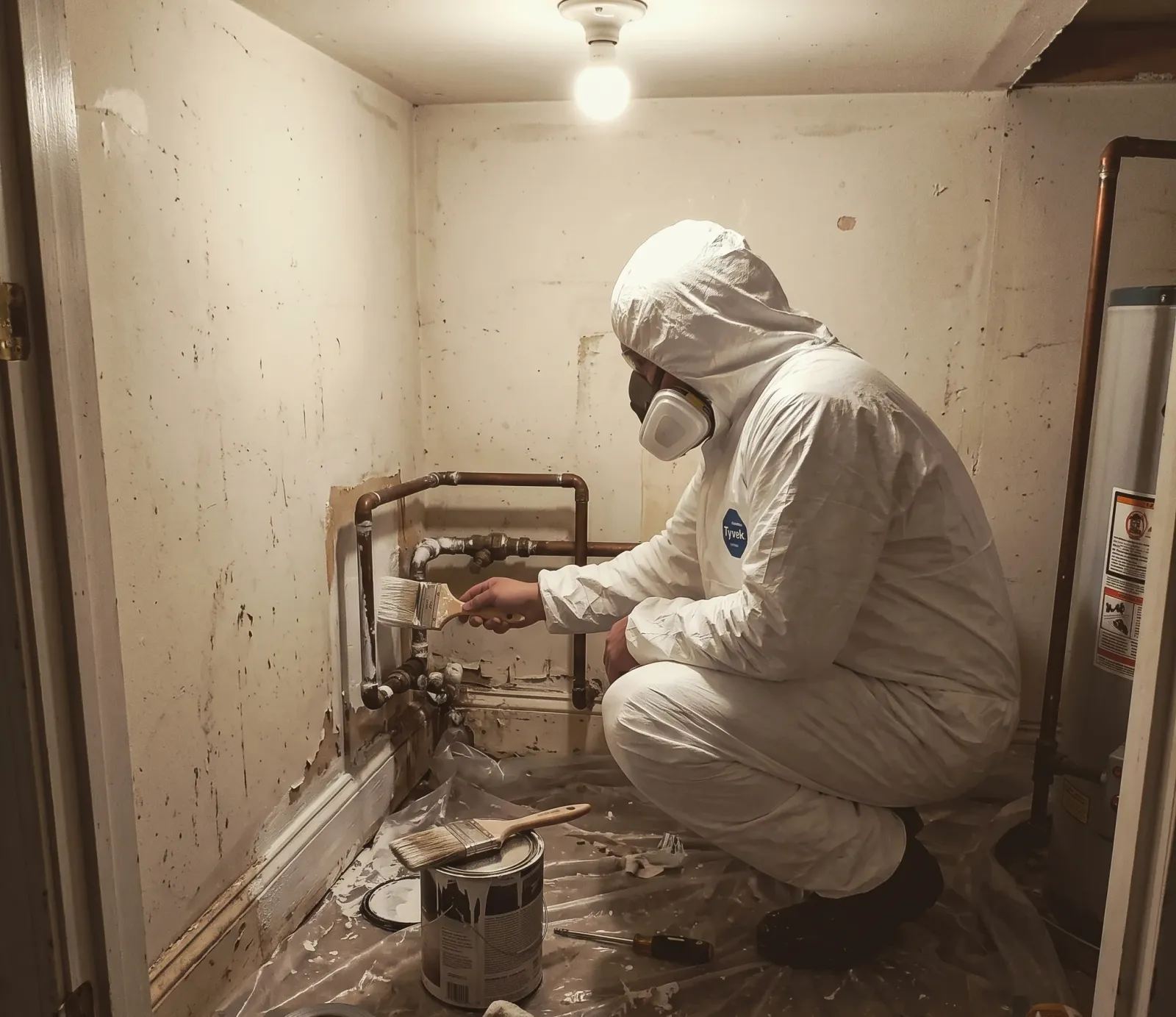
A pro checks the fixture the water rose from first, since that tells whether it was a blocked lateral or a backflow event overwhelming the line under the street. Anything porous the water touched — drywall, carpet, baseboard, insulation — gets flagged non-salvageable, because sanitizing doesn't reach what's already soaked through; that call, more than square footage, is what sets the price. PPE and HEPA containment go up before removal starts, and a disposal manifest tracks what leaves the house, since contaminated water and the material it ruined don't go out with regular trash.
Whether you're in East Atlanta Village 30316, Kirkwood 30317, West Midtown 30318, or elsewhere around Atlanta, sewage cleanup is arranged around the conditions on the ground in and around Atlanta, so the plan fits the building rather than a template.
Nearly all of this work is residential: residential water damage restoration covers the approach for houses, while commercial and multi-unit buildings are handled under commercial water damage restoration.