Georgia does not require sellers to fill out a state-mandated disclosure form the way some other states do, but that does not mean past water damage or a mold history can simply go unmentioned. Georgia follows caveat emptor, yet a seller who actively lies about or conceals a known material defect can still face liability for misrepresentation. Most Atlanta transactions still use a voluntary seller's property disclosure exhibit, and prior damage tends to surface anyway once a buyer's inspection report gets written up.
How Georgia Disclosure Actually Works
Georgia is a caveat emptor state for residential real estate, meaning buyer beware is the starting legal position rather than seller-must-tell-all. There's no statute requiring a standard seller disclosure form the way some other states require. A seller in Atlanta isn't handed a government checklist asking about prior water damage or mold history and required by law to fill it out truthfully before closing. That absence surprises people who've bought or sold elsewhere, and it's the first thing worth understanding before deciding what to say about a past claim.
Why Caveat Emptor Isn't a Free Pass
Caveat emptor doesn't mean a seller can say whatever they want. Georgia courts have found liability where a seller actively lied about a known material defect or actively concealed one, even without a statutory disclosure duty. So there's a real difference between staying quiet about something a buyer's inspection could reasonably find, and telling a buyer in Decatur or East Atlanta that the basement never flooded when the seller knows it did. The second one is misrepresentation, and that exposure exists whether or not a form was ever signed.
What Counts as Material
A material defect, in this context, is something that would matter to a reasonable buyer's decision to purchase or the price they'd pay: a basement that took on water during a heavy Atlanta rain event, a documented mold history behind a wall, a foundation issue traced back to standing water against the slab. A latent defect is one that isn't visible on an ordinary walkthrough, like damage sealed behind new drywall in a Kirkwood bungalow. The overlap between the two is where a seller's actual risk concentrates, because it's exactly what a buyer can't discover just by walking the property.
Prior Mold and What to Say
Past mold gets treated the same way as past water damage under this framework, since one usually followed the other. Georgia doesn't license mold remediation contractors the way it licenses general contractors, and there's no enforceable state standard for mold inspection or testing. That doesn't remove the seller's exposure. If mold was found and treated in a home near Piedmont Park two years before listing, the seller doesn't have to volunteer a lab report, but denying it happened when directly asked is a different matter entirely under Georgia's misrepresentation exposure.
The Voluntary Disclosure Form
Even without a state mandate, most real estate transactions in the Atlanta area still use a seller's property disclosure form or exhibit. It's an industry-custom document, not something Georgia law requires, but it's become standard practice because agents and title companies want a paper trail. Filling one out honestly about prior water damage in a home near Ormewood Park or Candler Park doesn't create a new legal duty that wasn't already there. It documents what the seller already had to be truthful about if the topic came up.
As-Is Sales Don't Erase This
Selling a house as-is in Atlanta doesn't cancel the misrepresentation rule. As-is language tells the buyer the seller won't make repairs or renegotiate over condition, and it can be a reasonable way to sell a property with known history without pretending otherwise. What it doesn't do is give legal cover for actively lying about a specific known defect if a buyer asks directly. As-is shifts the repair obligation. It doesn't shift the obligation to not deceive.
What Buyer Inspections Turn Up
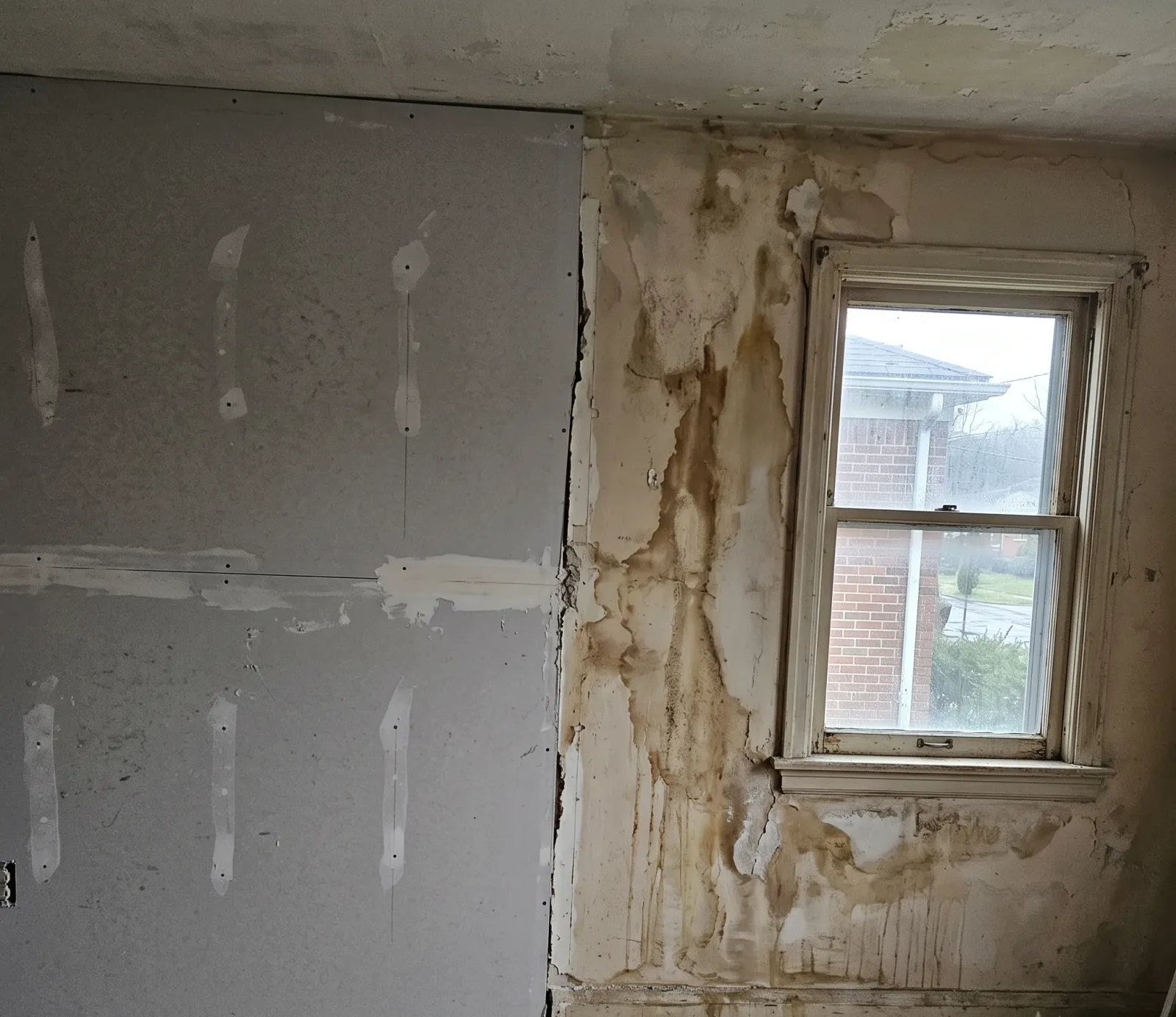
Because Georgia leans on caveat emptor, buyer inspections carry more weight here than in states with mandatory disclosure. A thorough inspection report on a home in Morningside or Lake Claire can surface staining, efflorescence, or a musty crawl space that points toward prior water intrusion, and a seller should expect that history to surface this way even if it's never asked about directly. An inspector working near the Chattahoochee River corridor or a low-lying block off Peachtree Creek's floodplain has reason to look closely at moisture history in a way a buyer touring the home alone would miss.
Documentation Helps at Closing
Documentation helps a seller more than it hurts. A repair invoice, a remediation summary, or notes on what was done after a past leak in a home near Buckhead or Inman Park gives a buyer's agent something concrete instead of a vague verbal answer. It also protects the seller: a well-documented, properly repaired past issue reads very differently at closing than an undocumented one a buyer's attorney later frames as concealment. Keeping that paperwork from the original repair is worth more at the negotiating table than treating it as something to bury.
Misrepresentation Versus Silence
The legal line in Georgia isn't disclosure versus non-disclosure. It's silence versus a lie. A seller in a home near Adair Park or Boulevard Heights who says nothing about a past water event, and answers honestly if asked, is operating inside caveat emptor as it currently stands. A seller who's asked directly and says no when the answer is yes has crossed into the misrepresentation exposure that Georgia courts have already recognized, disclosure form or not. That distinction is the entire practical difference between the two outcomes.
Older Atlanta Homes and Repairs
Atlanta's older housing stock adds a wrinkle worth knowing about separately from disclosure law. Homes in neighborhoods like Kirkwood or near Cabbagetown were often built with plumbing and drainage assumptions from decades ago, and a past water event in one of these houses doesn't always mean the underlying cause was ever fully addressed. A buyer's inspection report flagging an old repair is a normal part of selling in this part of the city, and it's a separate question from what the law required the seller to say about it beforehand.
What Buyers Find at Inspection
None of this is legal advice, and a seller weighing what to put on a disclosure exhibit for a specific Atlanta property should talk to a real estate attorney before closing, not rely on a general explanation of how caveat emptor works. What this page can settle is the shape of the rule: no mandatory state form, real exposure for an actual lie, and a buyer inspection that will likely find what wasn't said anyway. Past water damage on a property doesn't have to derail a sale. Misrepresenting it is what creates the actual legal risk.
Dealing with this in your home?
A basement near Ormewood Park can sit dry for a year, then take on water the first time a real downpour hits. Atlanta's red clay sheds rain rather than soaking it in, so water piles up against a foundation wall fast, especially on lots that slope toward Intrenchment Creek. This post covers what that pattern actually means for a home.