A wet spot near a vent or ceiling doesn't always mean a leak. In Atlanta, high summer humidity means air handlers work hard, and condensation is common wherever cool air meets warm, damp air. This page walks through how to tell ordinary condensation apart from an actual plumbing or roof problem, using the pattern of the wetness itself, not guesswork, before you decide whether it's something to watch or something to call about right away.
Where The Water Shows Up
Location narrows the guesswork. A ceiling stain under an attic air handler in a Morningside or Toco Hills bungalow, right below where the unit sits, points toward the drip pan or condensate line before anything else. A stain tracking along an exterior wall near a roof valley, or appearing after a hard rain off Peachtree Creek's watershed, points toward flashing or a vent stack instead. Write down where the mark sits relative to ductwork, plumbing runs, and the roofline before calling anyone, because that detail changes who needs to look at it first.
How The Drip Behaves Over Time
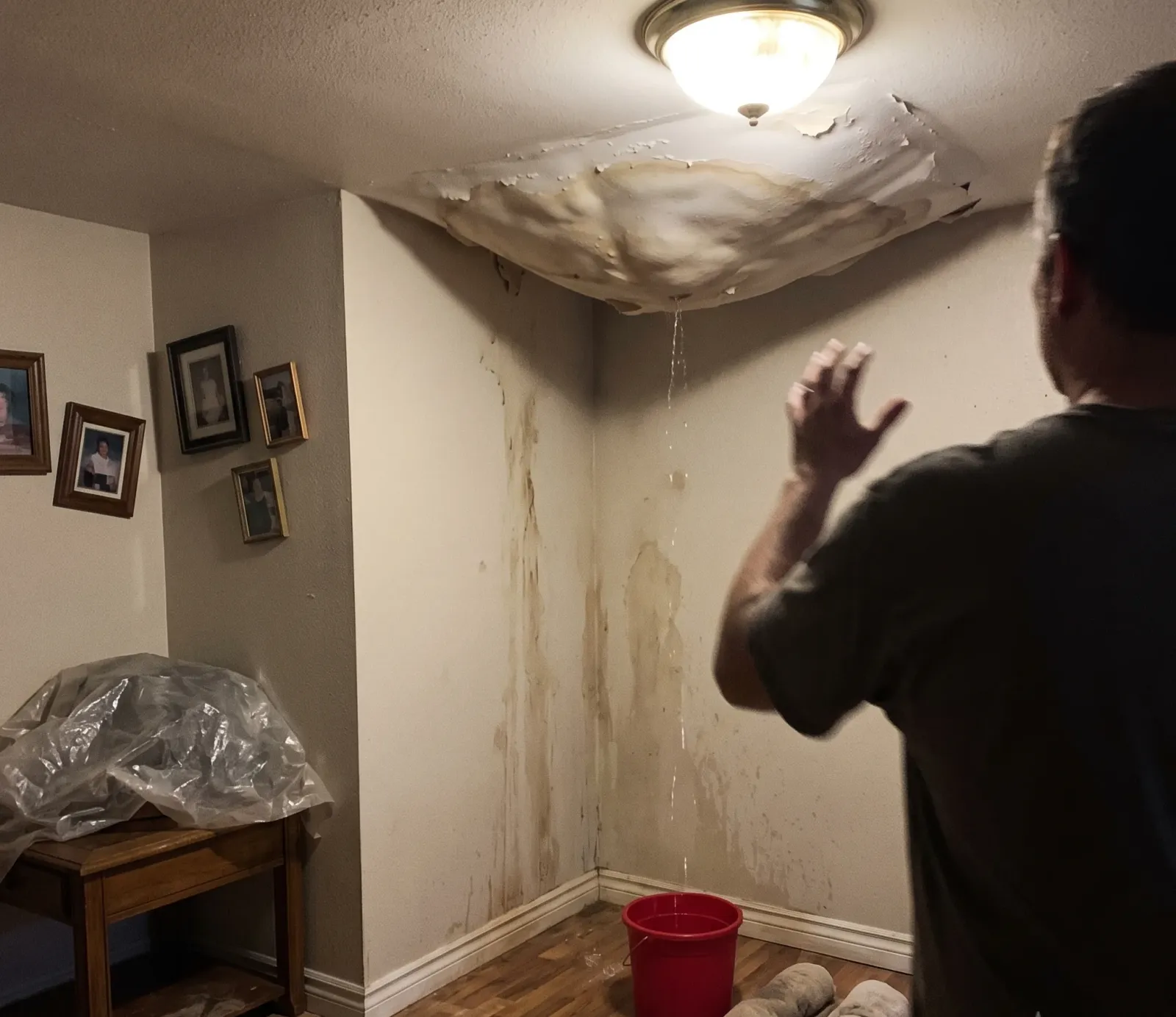
Condensation tends to follow the weather. It shows up on hot, humid Atlanta afternoons and dries up on cooler, drier days, so it reads as a recurring drip tied to conditions outside. A slow leak from a supply line or a roof problem doesn't care about humidity — it can be a constant drip regardless of temperature, or an intermittent leak that shows up only during rain. Tracking a few days against the weather tells you a lot.
What The Stain Pattern Tells You
A stain pattern is one of the more reliable clues. Condensation stains tend to be small, roughly circular, and lighter in color since the water is relatively clean. A stain from a roof or plumbing leak often grows outward over weeks, darkens at the edges, and may show a yellowish or brownish ring as minerals and debris travel with the water. If the stain keeps expanding page over page, so to speak, that's not condensation settling into a routine.
Checking The Drip Pan And Line
If the water is near an attic air handler, look at the drip pan underneath the unit and the condensate line running away from it. A pan that's overflowing, cracked, or sitting in standing water points to a condensation problem rather than a leak elsewhere in the house. A dry, intact pan with water still appearing nearby is a sign to look further, since the source is probably not the air handler at all but something behind a wall or above the ceiling.
When A Roof Is The More Likely Cause
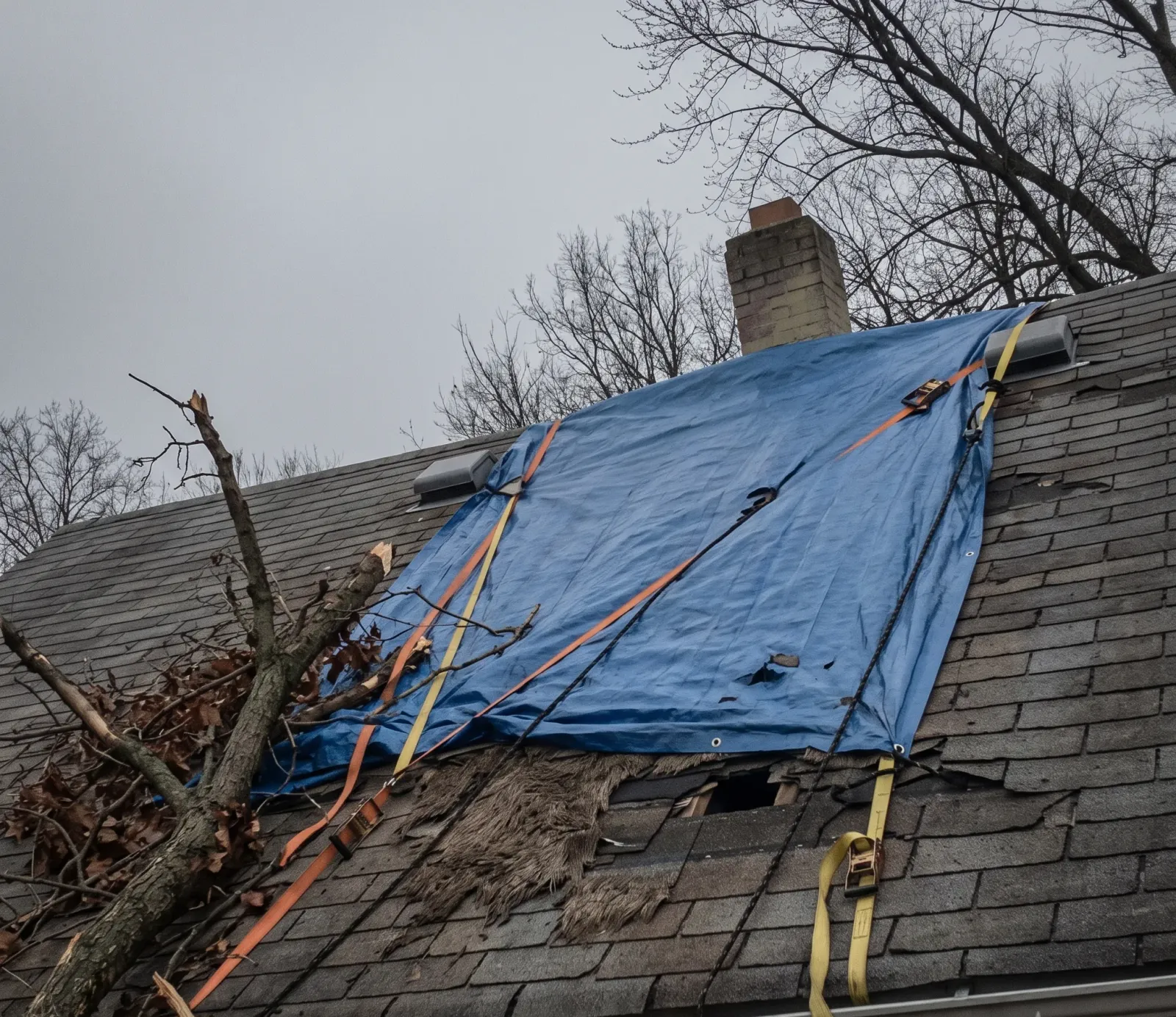
Water near roof flashing, a chimney, or a vent stack penetration after a storm points toward the roof rather than an appliance. Flashing seals the joints where these features meet the roof surface, and a small gap there can let rain in during heavy weather while staying dry the rest of the time. That pattern — dry for weeks, then a stain appearing right after a storm — is a strong sign the water is coming from above, not from condensation forming inside the house.
When Plumbing Is The More Likely Cause
A supply line leak inside a wall or under a floor often shows up as a puddle that returns in the same spot no matter the weather, sometimes with a faint sound of running water when the house is quiet. Older Atlanta homes with cast iron pipe or a clay tile sewer lateral can also develop slow seepage as fittings age. Unlike condensation, this kind of leak usually keeps a steady humidity level in the area around it rather than drying out on its own.
Why Humidity Complicates The Picture
Atlanta's humid summers make this harder to sort out, because a house can carry a genuinely high humidity level even without any leak at all. That moisture can fog windows, dampen closets, and leave surfaces feeling damp in a way that mimics a slow leak. The difference is that humidity-driven dampness tends to affect a whole room evenly, while a leak concentrates around one specific point that gets wetter than everything around it.
A Simple Way To Track It
If the stain keeps its shape after a dry week, or if it only widens during a stretch of humid Atlanta weather without fresh rain, a condensate line clogged with algae or a cracked drip pan is the likelier explanation, and it belongs to the appliance, not the building envelope. If the mark spreads noticeably after a specific storm and stays dry in between, a roof or supply-line source is more probable. Either way, a slow leak left alone for weeks does more damage than a constant drip caught early, so the timing pattern is worth tracking on paper.
What Happens If It Goes Unchecked
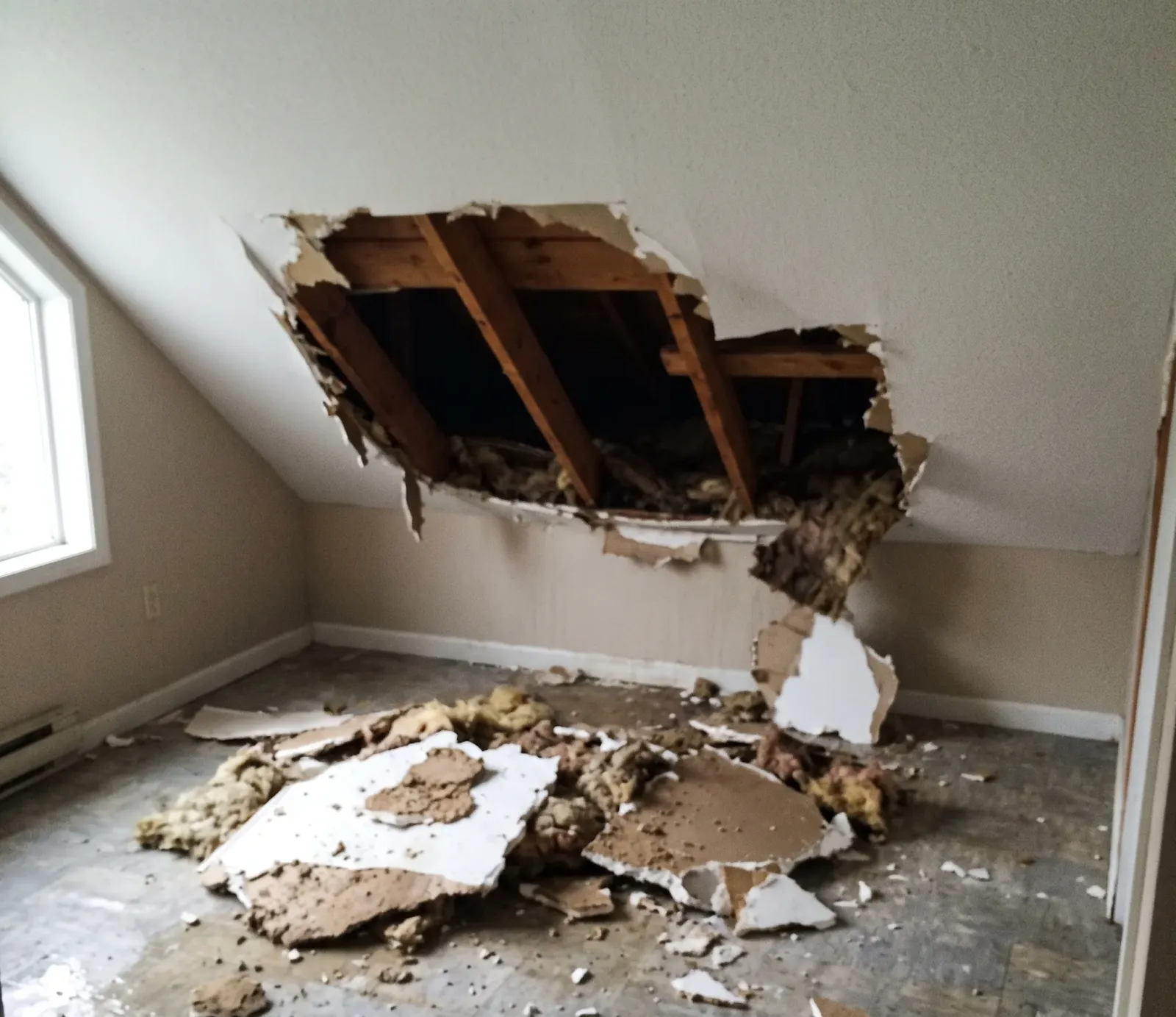
Condensation left alone in a humid Atlanta summer can still cause damage over time, softening drywall or staining a ceiling even without a plumbing failure behind it. A genuine leak left unchecked tends to get worse, since a small gap in flashing or a hairline crack in a supply line rarely seals itself. Either way, the same wet insulation and trapped moisture that develop above a ceiling create the kind of damp, humid pocket where mold risk builds quietly.
When To Get It Looked At
If the stain keeps growing, the drip continues on dry days, or you can trace it back toward roof flashing or a supply line rather than an attic unit, it's worth having the source identified before repairing the surface. Patching a ceiling over an active leak just hides the problem until it reappears somewhere else. The licensed pros we connect you with can trace a stain back to its actual source rather than guessing from the visible damage alone.
When It's Neither: Roof Flashing and Vent Stacks
Most water stains in an Atlanta home turn out to have a specific, findable cause once you look at where the water sits, how it behaves over days, and what the stain itself looks like. Condensation and real leaks leave different signatures if you know what to check. When the pattern doesn't add up, or the drip keeps coming back, getting a second set of eyes on it early usually costs less than waiting until the ceiling gives you no choice.
Dealing with this in your home?
A basement near Ormewood Park can sit dry for a year, then take on water the first time a real downpour hits. Atlanta's red clay sheds rain rather than soaking it in, so water piles up against a foundation wall fast, especially on lots that slope toward Intrenchment Creek. This post covers what that pattern actually means for a home.