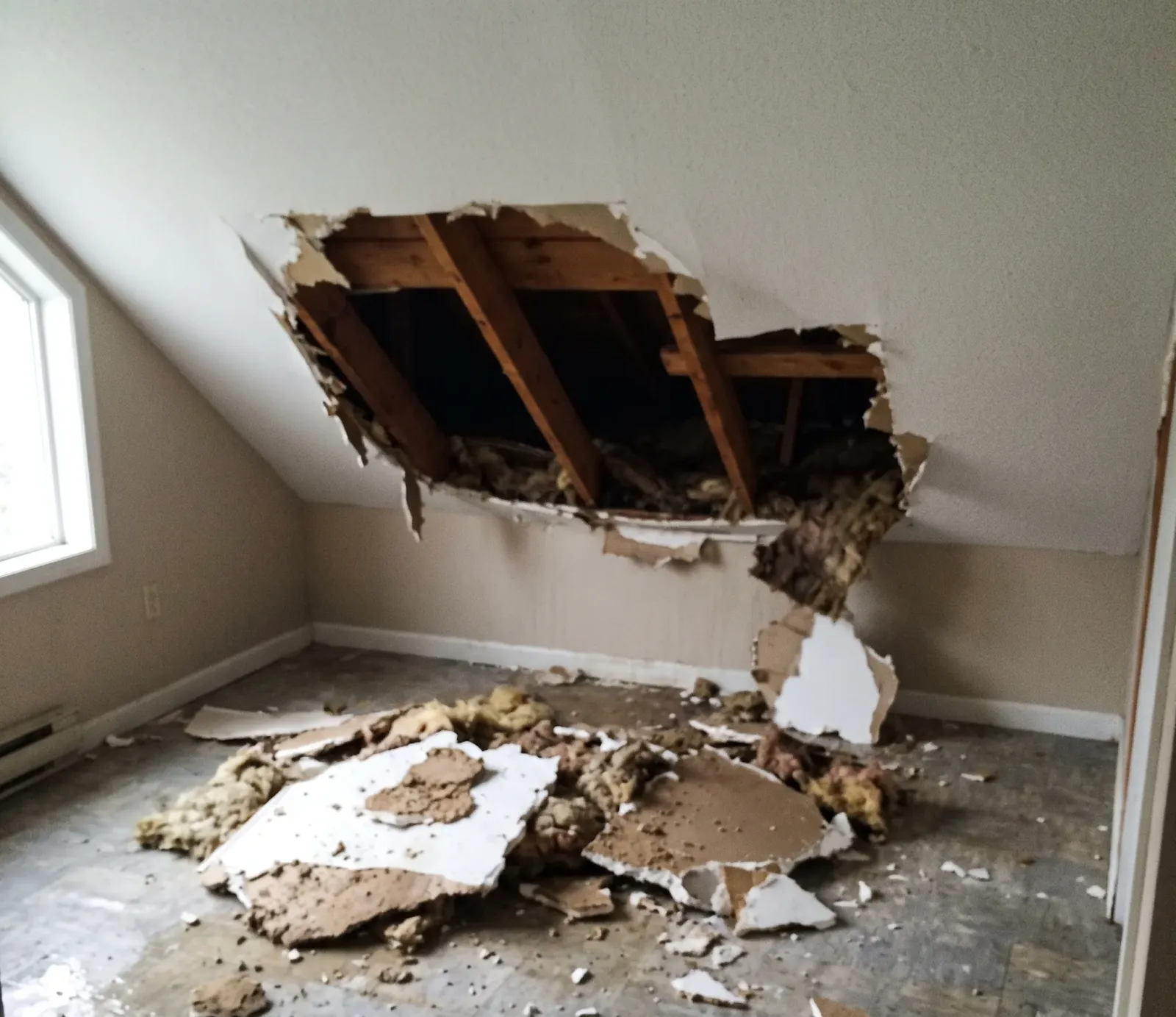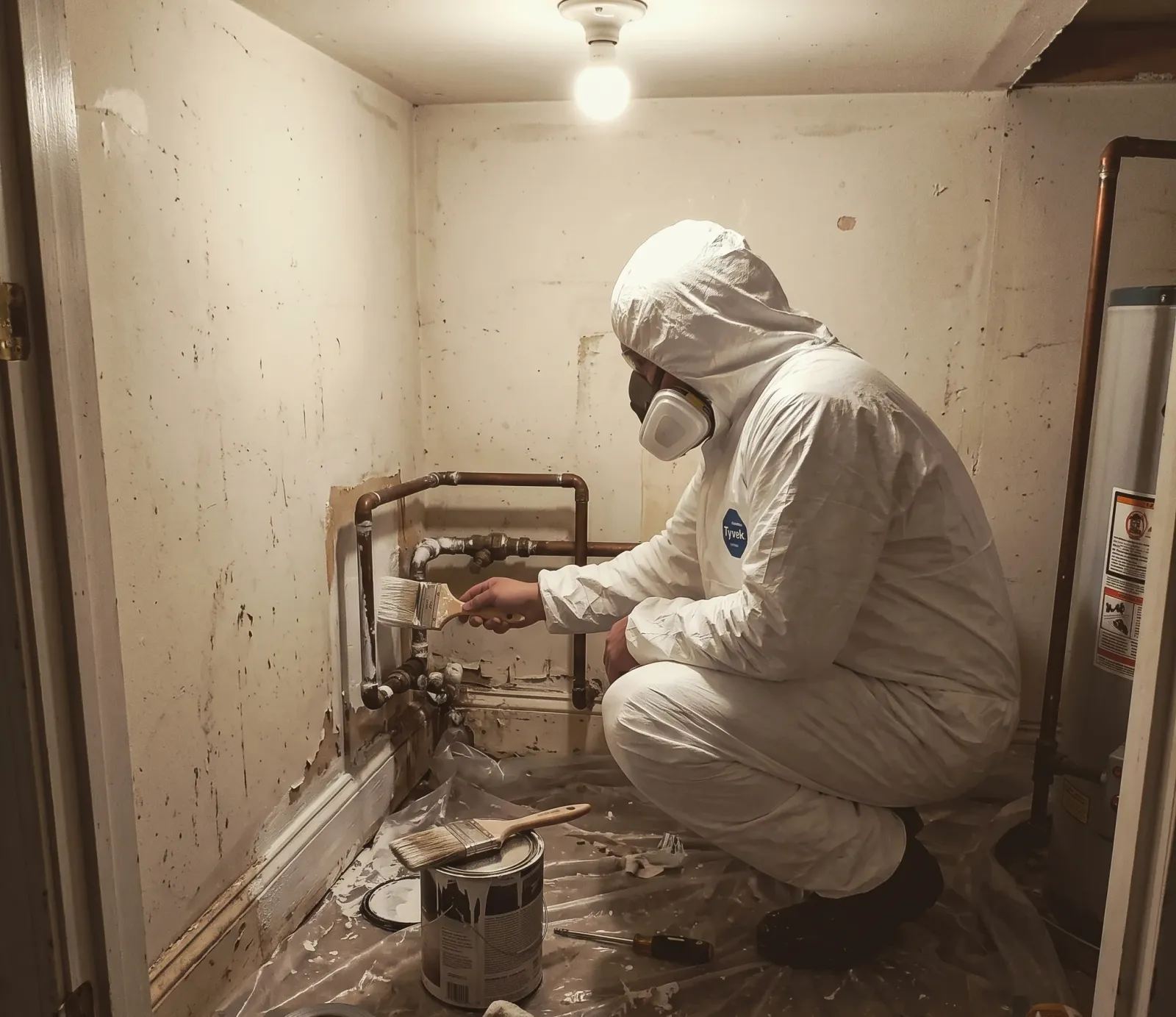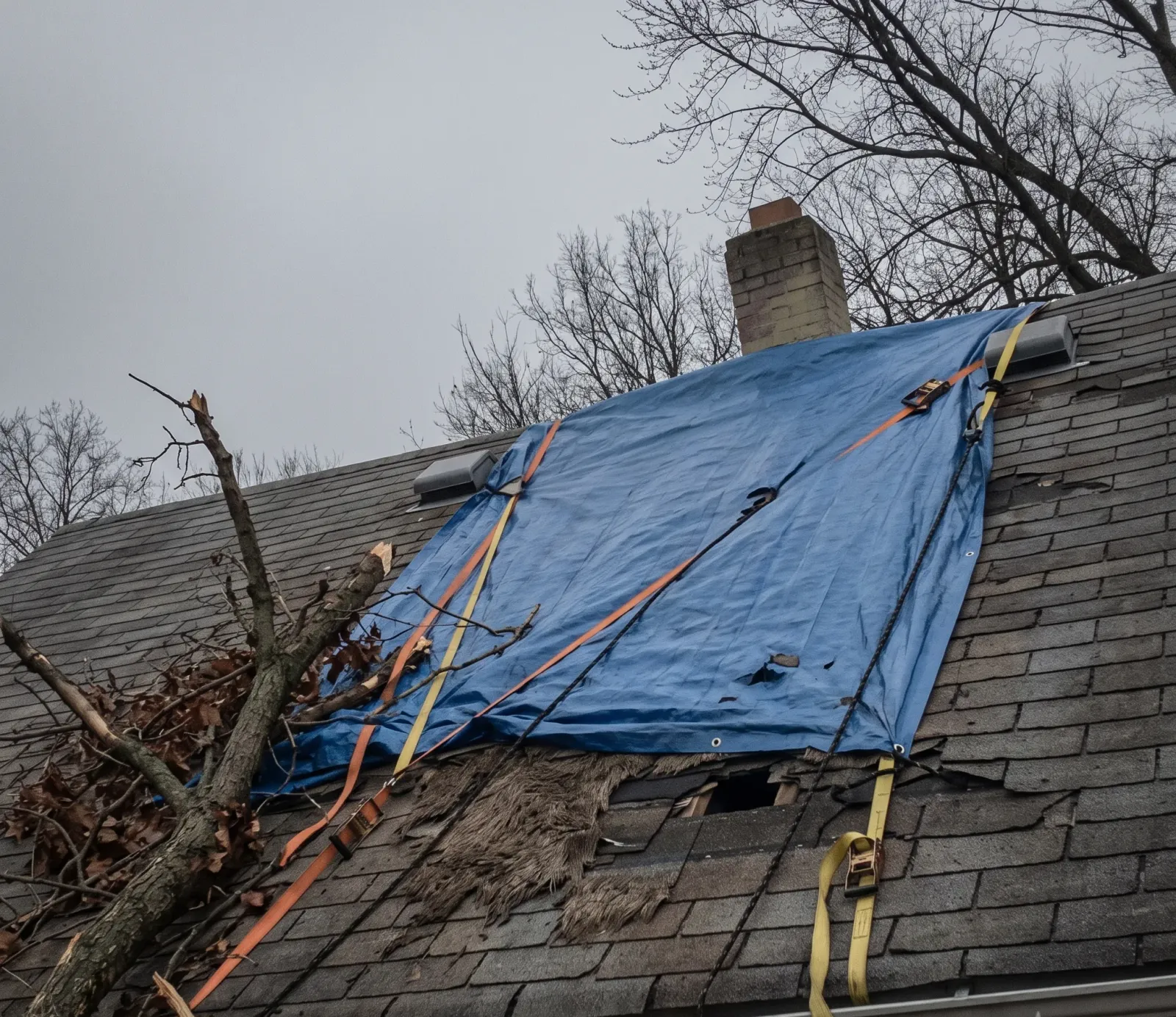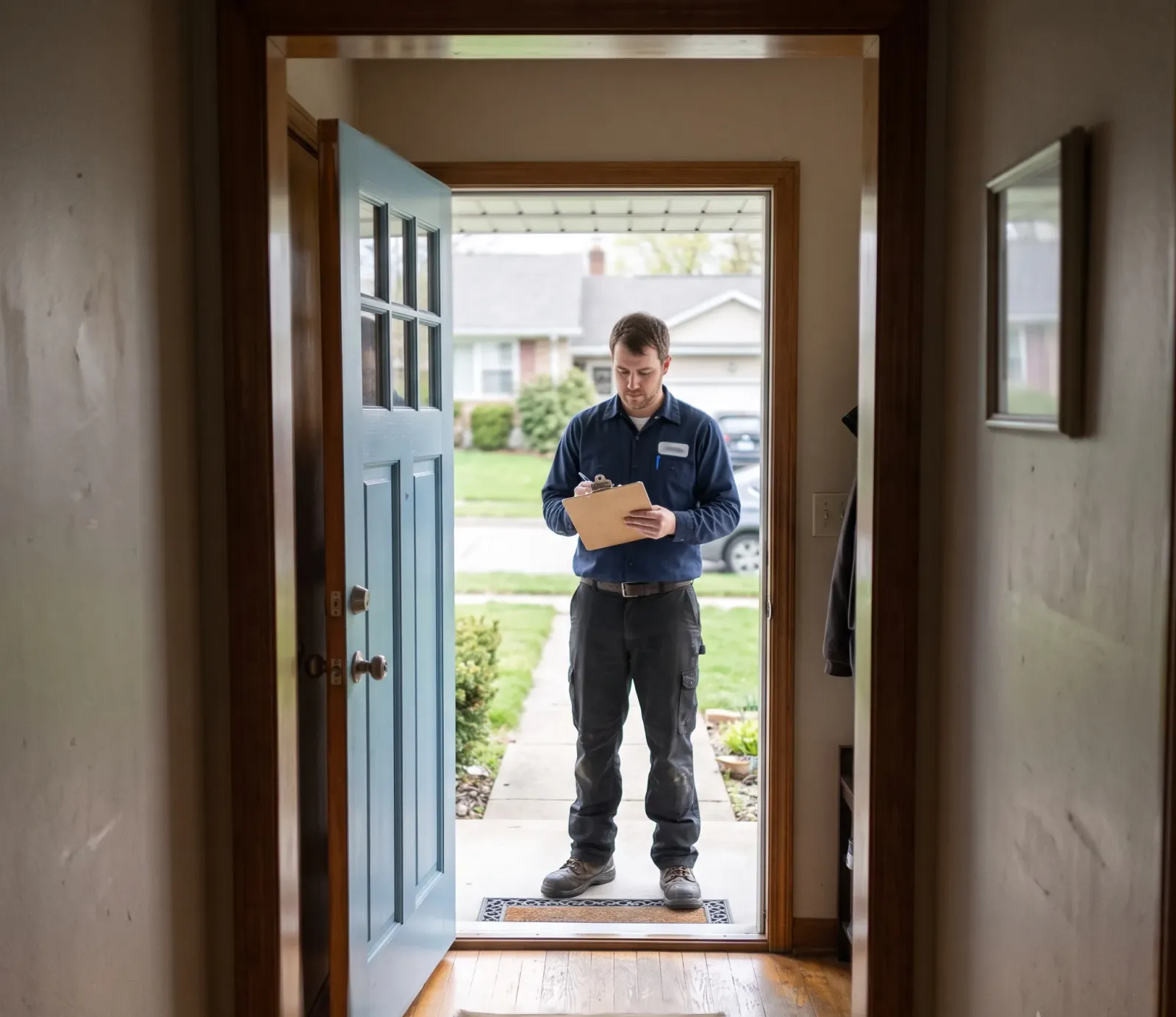
The minutes right after you find standing water in an Atlanta home decide how much damage spreads before anyone with equipment shows up. You do not need training to slow it down, only a clear order of steps. This page covers the quick, physical actions: stopping the source, protecting yourself from electrical hazard, and keeping wet items from ruining more of the house. It is not a full first-day guide, only what to do in the minutes before the licensed pros you connect with actually walk in the door.
Find The Shutoff Valve
If the water is coming from a pipe, appliance, or fixture inside the house, find the shutoff valve for that line first. Most homes have a main shutoff near the water meter or where the line enters the house, plus smaller valves under sinks and behind toilets. In older Atlanta neighborhoods with plumbing dating back decades, valves can be stiff or corroded, so do not force one so hard it snaps. If it will not turn, wait for someone who can shut it off safely rather than making the leak worse.
Treat Electrical Hazard First
Once the water is stopped or the leak is confirmed, walk the affected rooms with safety first. Standing water near outlets or a panel is an electrical hazard, so if you have any doubt, leave the breaker alone and wait for a first responder or licensed electrician rather than guessing. Skip flooded rooms until someone with real safety gear has checked them. In an Atlanta basement or crawl space, poor ventilation makes fumes and dampness worse, so open what you safely can and avoid running equipment you are not sure is dry.
Move People And Pets Out
Find the shutoff valve for the fixture or line involved and close it before you do anything else in that spot. If the source is a water heater, washing machine, or a supply line under a sink, this stops the loss from growing while you sort out the rest. Homes across Atlanta neighborhoods like Decatur or Virginia-Highland vary in age and plumbing, so if the valve is not obvious, do not force a fitting. Turning off the main is the fallback when you cannot isolate just one line.
Photograph Everything First
Move wet items off the floor where you reasonably can. Set furniture legs on blocks, foil squares, or small plastic cups so wood and metal do not sit directly in standing water and stain or wick moisture upward. Aluminum foil under a leg works because it keeps the surface dry without trapping it against carpet fibers. Pull rugs, boxes, and anything on the bottom shelf of a closet or cabinet clear first, since paper and cardboard soak through fastest and are usually the first total loss in a house.
Lift Furniture Off Wet Floors
Wood furniture legs sitting in standing water will wick moisture upward and swell fast, so if you can safely lift or move furniture, get the legs onto something dry. Small squares of aluminum foil under each leg work well because they block moisture without letting the furniture slide, and most kitchens already have a roll on hand. This will not undo damage that has already happened, but it stops a bad situation from getting worse while you wait for anyone to arrive.
Separate Your Wet Items
Sort wet items into what can dry on its own and what needs attention sooner: books and papers, electronics, rugs, and anything upholstered. Stand books on end if you can, unplug and do not attempt to power on any wet electronics, and pull rugs off wood or laminate floors if it is safe to do so. Do not put anything wet back into a closet or cabinet to get it out of the way. Closed, damp spaces are exactly where the next problem starts.
Open Up For Ventilation
Once water is shut off at the valve, resist the urge to keep moving through the house on autopilot. Stay out of standing water if there is any chance it is near outlets or a panel — electrical hazard first, cleanup second. If it is safe, lift wet items off the floor, pull furniture legs onto foil or blocks, and open windows for ventilation. Take a photo record of everything before you move it. In Buckhead, Decatur, or anywhere else in Atlanta, this order of steps matters more than speed.
Know When To Call 911
Water damage on its own is rarely a reason to call a first responder, but some situations are. Rising water that traps someone, a sparking outlet you cannot reach safely, or any sign of structural collapse are all reasons to call 911 before doing anything else on this list. A first responder is trained for exactly those risks in a way a homeowner is not. Once the immediate danger is handled, the steps above still apply to whatever is left.
Skip The Amateur Extraction
A shop vac on a small spill is fine, but do not attempt to pump out serious standing water yourself, especially in a basement, where pressure differences and hidden electrical hazard make it genuinely risky. Atlanta basements built into sloped Piedmont lots vary a lot in how they were finished, and what looks like a simple pump-out can go wrong fast in one that is not. This is the point where waiting for the right equipment costs less than guessing.
Gather Basic Safety Gear
If you have basic safety gear on hand, rubber boots, gloves, a flashlight, put it on before doing anything past this point. Standing water can hide broken glass, nails, or a dropped tool, and it is often too dark to see the floor clearly in a basement or crawl space. None of this needs to be specialized; it just needs to be dry and on your feet before you walk back into the affected area.
Electrical Safety Before You Touch Anything
None of these steps replace a full plan for the day ahead, they just keep a bad hour from becoming a worse one. Once the water is off, the power is safe, and the photo record exists, the rest can wait a little longer than it feels like it can. Atlanta homeowners dealing with this for the first time often find the waiting is the hardest part, not the list itself.
Dealing with this in your home?
A basement near Ormewood Park can sit dry for a year, then take on water the first time a real downpour hits. Atlanta's red clay sheds rain rather than soaking it in, so water piles up against a foundation wall fast, especially on lots that slope toward Intrenchment Creek. This post covers what that pattern actually means for a home.