A burst pipe or a ceiling leak in an Atlanta rental raises a question tenants and landlords both get wrong: what does Georgia actually require, and by when. Georgia law places a statutory duty on the landlord to keep a rental habitable, which includes keeping plumbing, electrical, and heating systems in working order and exercising ordinary care to keep the premises safe. A leaking pipe falls squarely inside that obligation. This article walks through the repair timeline, the notice a tenant has to give, and what happens when a landlord does not act.
The Landlord's Repair Obligation
Georgia's warranty of habitability requires a landlord to maintain the structure and keep core systems functional, and a leaking water pipe is explicitly treated as a necessary repair under this standard, not an optional courtesy. This obligation applies whether the unit sits in a converted loft near West Midtown or a mid-rise off Peachtree Street. The landlord obligation does not require the tenant to ask twice or escalate before it applies. It exists the moment the leak starts, regardless of whether the tenant has said anything yet about the water damage.
Why Written Notice Matters
Written notice matters because it starts the clock. A text message or a hallway comment to a landlord in a building near Buford Highway or off Ponce de Leon Avenue does not carry the same weight as a dated letter describing the leak, where it is, and when it began. Tenants who keep a copy, along with photos and any reply, are in a far better spot if the repair drags on and the question of a reasonable timeline ends up disputed later.
What Counts as a Reasonable Time
Georgia does not set a fixed number of days for a landlord to complete a repair after written notice. Instead, the standard is a reasonable opportunity to fix the problem, and what counts as reasonable depends on the severity of the issue. A pipe actively flooding a unit near Virginia-Highland demands faster action than a slow drip behind a wall in a Kirkwood duplex. The lease agreement may add its own timeline language, but it cannot shrink the landlord's underlying statutory duty below what Georgia law requires.
Rent Withholding Is Not Permitted
Tenant advocates in Georgia are clear on one point: a tenant cannot simply stop paying rent because a unit has water damage or another unresolved code violation. Georgia does not recognize blanket rent withholding as a lawful remedy, even when conditions are genuinely bad. This surprises tenants who have heard otherwise, especially anyone renting near Georgia State University or in an older building around Edgewood where deferred maintenance is common. Withholding rent outright, without a court order, risks an eviction filing rather than a faster repair.
The Repair-and-Deduct Process
A narrower remedy exists alongside the no-withholding rule. After written notice and a reasonable opportunity for the landlord to act, a tenant may be able to have the specific repair done and deduct that cost from the following month's rent. This is not the same as withholding rent broadly, and it depends on the tenant giving advance written notice of the intent to use this remedy and keeping receipts. Because sources describe this process differently, a tenant in an Ansley Park or Reynoldstown rental considering it should confirm the details with a Georgia attorney before acting.
Constructive Eviction as a Remedy
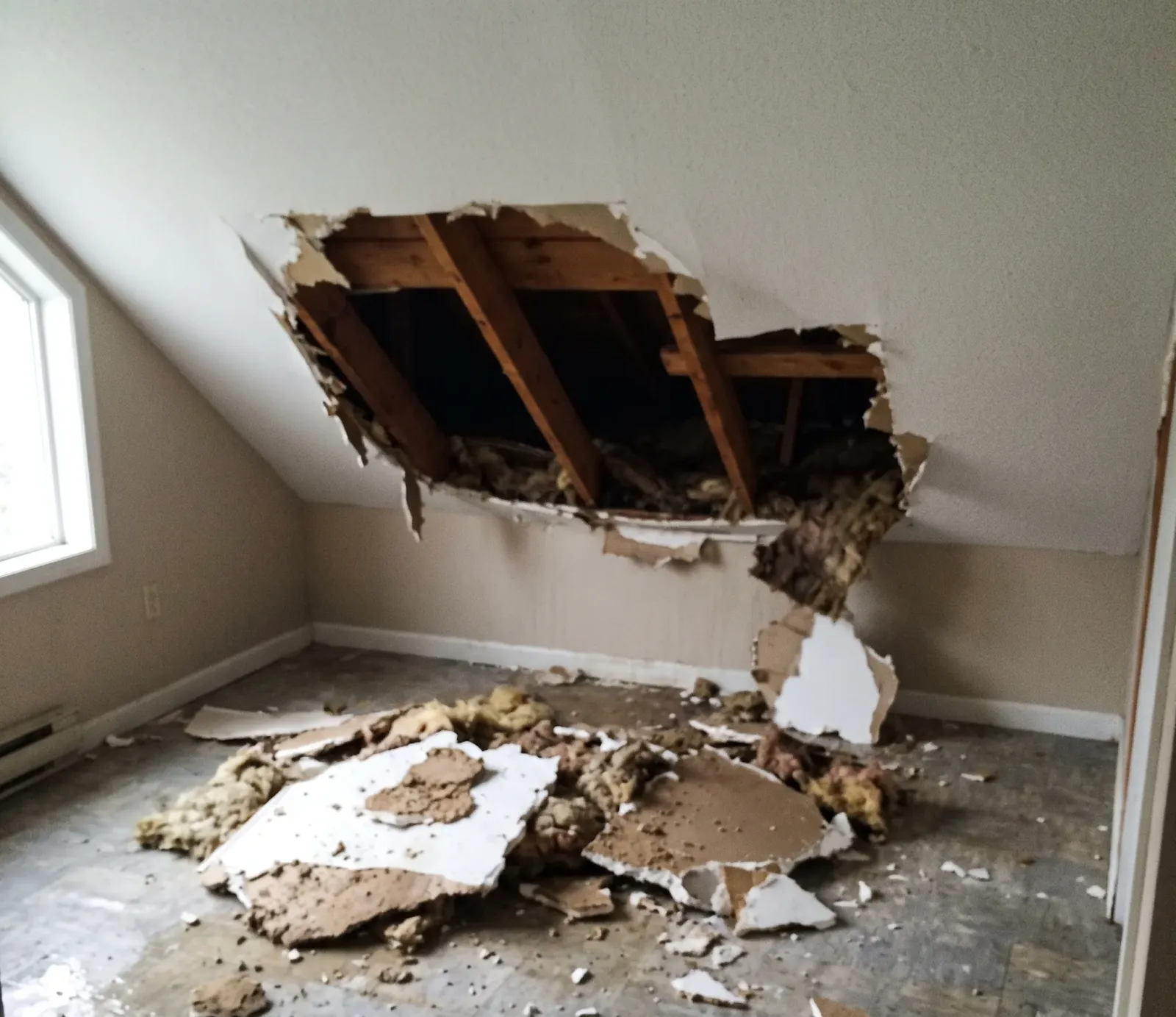
When water damage makes a unit genuinely unlivable and the landlord will not act, a tenant may have grounds to argue constructive eviction, meaning the landlord's failure to maintain habitability effectively forced the tenant out. This is a legal argument raised in court, not a self-help step a tenant takes on a Tuesday afternoon. A renter near the Atlanta BeltLine facing standing water or a collapsed ceiling should understand this exists as a tenant remedy, but it typically requires actually vacating and being prepared to show the unit was unsafe to occupy.
Mold Is Not Separately Regulated
Georgia has no law specifically addressing a landlord's duties for mold prevention or remediation in rental housing, which surprises tenants who assume water damage and mold are covered by the same clear statute. There is no state licensing requirement for mold remediation contractors in Georgia either. Any remedy involving mold following water damage in an Atlanta rental near Poncey-Highland or Cabbagetown falls back on the general habitability and repair framework rather than a mold-specific statute, and any repair-and-deduct action for mold is recognized by courts rather than written into a Georgia code section.
What Documentation Actually Protects
None of this requires a lawsuit to start. Most disputes move faster once there is a clear paper trail: the written notice, a follow-up if nothing happens, and photos showing the water damage on the day it was reported versus weeks later. A tenant near Virginia-Highland or Kirkwood dealing with a slow landlord response is better served by that documentation than by a phone call nobody can later prove happened.
Where the Lease Cannot Override Statute
A lease agreement can add detail, but it cannot waive the landlord's statutory duty to maintain a habitable unit. A clause stating the tenant is responsible for all water damage repairs, regardless of cause, does not erase the underlying Georgia landlord obligation to repair the structure and its systems. Renters in older buildings near Decatur or in converted properties around Old Fourth Ward should read a lease's maintenance section carefully, but understand that some obligations exist under law independent of what the page says.
When the Building Is a Condo
Water damage in a condo near Atlantic Station or in a loft around Reynoldstown raises a different question: whether the association's master policy or the individual unit owner is responsible. Georgia's Condominium Act governs condo associations generally, but the specific division of water-damage responsibility between a master policy and a unit owner is not something this article states as settled fact. As a general pattern in condo living, common elements and structure are typically the association's concern and unit interiors typically fall to the owner, but a renter or owner facing this situation should check the specific governing documents.
What Happens If Repairs Are Ignored
None of this changes what a soaked ceiling or a ruined floor needs done to it. The statutory duty, the notice, and the timeline decide who pays and how fast, while the actual drying and repair still has to happen. Anyone dealing with active water damage in an Atlanta rental can get a fast assessment from the licensed pros we connect you with, while separately pursuing whatever remedy the lease and Georgia law make available.
Dealing with this in your home?
A basement near Ormewood Park can sit dry for a year, then take on water the first time a real downpour hits. Atlanta's red clay sheds rain rather than soaking it in, so water piles up against a foundation wall fast, especially on lots that slope toward Intrenchment Creek. This post covers what that pattern actually means for a home.