Search Atlanta long enough and you will find someone certain that black mold killed a family pet, ruined a career, or poisoned a house beyond saving. Some of that is real concern dressed up in bad information, and some of it is a legitimate question nobody has answered plainly. This piece separates the two. What Stachybotrys actually is, what it can and cannot do to a person, and where the myths outrun the science are three different questions, and they deserve three different answers rather than one scary headline covering all of them.
What Stachybotrys Actually Is
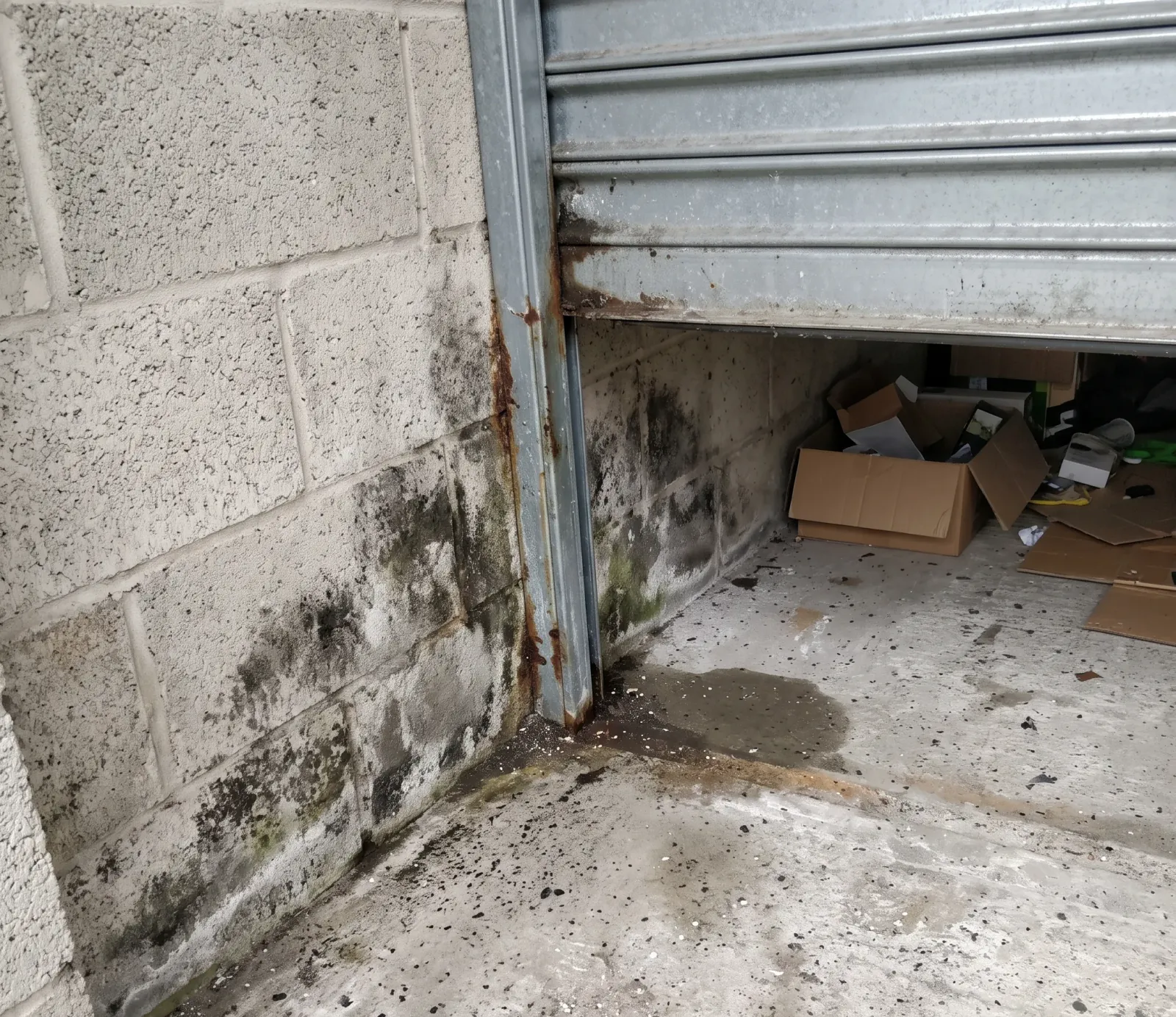
Stachybotrys chartarum is the species behind the toxic mold label, a dark, slow-growing fungus that needs a surface wet for days, not hours, to take hold — think a slab leak left unnoticed in a Grant Park bungalow or a crawl space under an Ormewood Park hardwood floor that stayed damp long after a storm passed. Its mycotoxins are real, but species identification takes lab analysis, not a glance. Plenty of harmless dark growth on Atlanta bathroom grout or a Decatur basement wall gets mistaken for it without ever being tested.
Where The Fear Started
Stachybotrys earned its reputation in the 1990s after a cluster of infant illnesses was publicly linked to it, coverage that outran the actual research behind it. Later scientific review walked much of that specific causal claim back, though the mold itself remained worth taking seriously for other reasons. That history is why the phrase toxic mold still carries so much weight decades later, and why a homeowner in Decatur or Vine City hears the name and assumes the worst before asking what the evidence actually supports.
Mycotoxins, Explained Plainly
Mycotoxins are chemical compounds some molds produce under certain conditions, Stachybotrys among them. Their existence is real; their behavior indoors is more limited than the phrase toxic mold implies. Mycotoxins mainly pose a documented risk through ingestion, historically in contaminated grain and feed, not through airborne household exposure. That does not make an indoor colony harmless to ignore. It means the health conversation belongs on allergic reaction and respiratory irritation, the effects actually documented from indoor mold exposure, rather than a poisoning narrative the evidence does not support.
The Health Effects That Are Real
Documented health effects from indoor mold exposure center on allergic reaction and respiratory irritation: sneezing, congestion, coughing, itchy or watery eyes, and worsened asthma symptoms in people who already have it. Sensitivity varies widely. A household of four in the same Kirkwood house can have one person with no reaction and another with daily symptoms. None of this should be read as a diagnosis, and nobody should attribute a specific illness to mold without a doctor involved. It should be read as a reason to address damp material promptly rather than a reason to panic.
Who Should Be More Careful
Certain groups warrant more caution around any mold growth, not just Stachybotrys: infants, the elderly, people with asthma or chronic respiratory conditions, and anyone immunocompromised. That caution is about reducing avoidable exposure and irritation, not about a specific toxic threat unique to one species. A family in Morningside with a newborn and a family in East Atlanta Village without one are dealing with the same mold problem physically, but the second family has more room to wait a few days before acting than the first does.
The Black Mold Myth, Unpacked
The black mold myth usually takes one of two forms: that any dark mold is automatically Stachybotrys and automatically dangerous, or that Stachybotrys is uniquely lethal compared to every other indoor species. Neither holds up. Common species like Cladosporium and Aspergillus, found throughout Atlanta homes near the Chattahoochee River and everywhere else, carry their own allergic and respiratory concerns and are far more commonly the actual culprit behind symptoms than the rarer, more feared Stachybotrys people assume is always to blame.
Why Species Identification Matters
There is no required credential in Georgia for anyone doing this work, no license that separates the company testing your Kirkwood attic from the one treating it afterward, so the same outfit can legally do both. That gap is exactly where air quality testing before and after work matters — a documented spore count is the only real evidence the job worked, not a verbal assurance. Ask any company serving Cabbagetown or Edgewood how they confirm results, and expect a clear answer involving actual samples, not just a walkthrough.
What Air Quality Testing Shows
Air quality testing measures spore count, comparing indoor air against outdoor air or a baseline to see whether mold levels are elevated and, often, which species are present. It is a useful diagnostic tool, particularly when mold is suspected but not visible, such as behind a wall in a Cabbagetown rowhouse. It is not a pass or fail health verdict, and a single number rarely tells the whole story. A qualified assessor should be interpreting results alongside a visual inspection, not handing over a printout and calling it complete.
What A Musty Smell Actually Means
A musty smell without visible growth is one of the more common reasons Atlanta homeowners start Googling black mold at midnight. That smell is typically a byproduct of active mold metabolism, meaning growth is present somewhere even if nobody can see it yet, often behind baseboards, under flooring, or inside a wall cavity that stayed damp after a slow leak. It is worth investigating rather than dismissing, particularly in older housing stock around Grant Park or Ormewood Park where hidden plumbing runs behind original plaster.
What To Actually Do About It
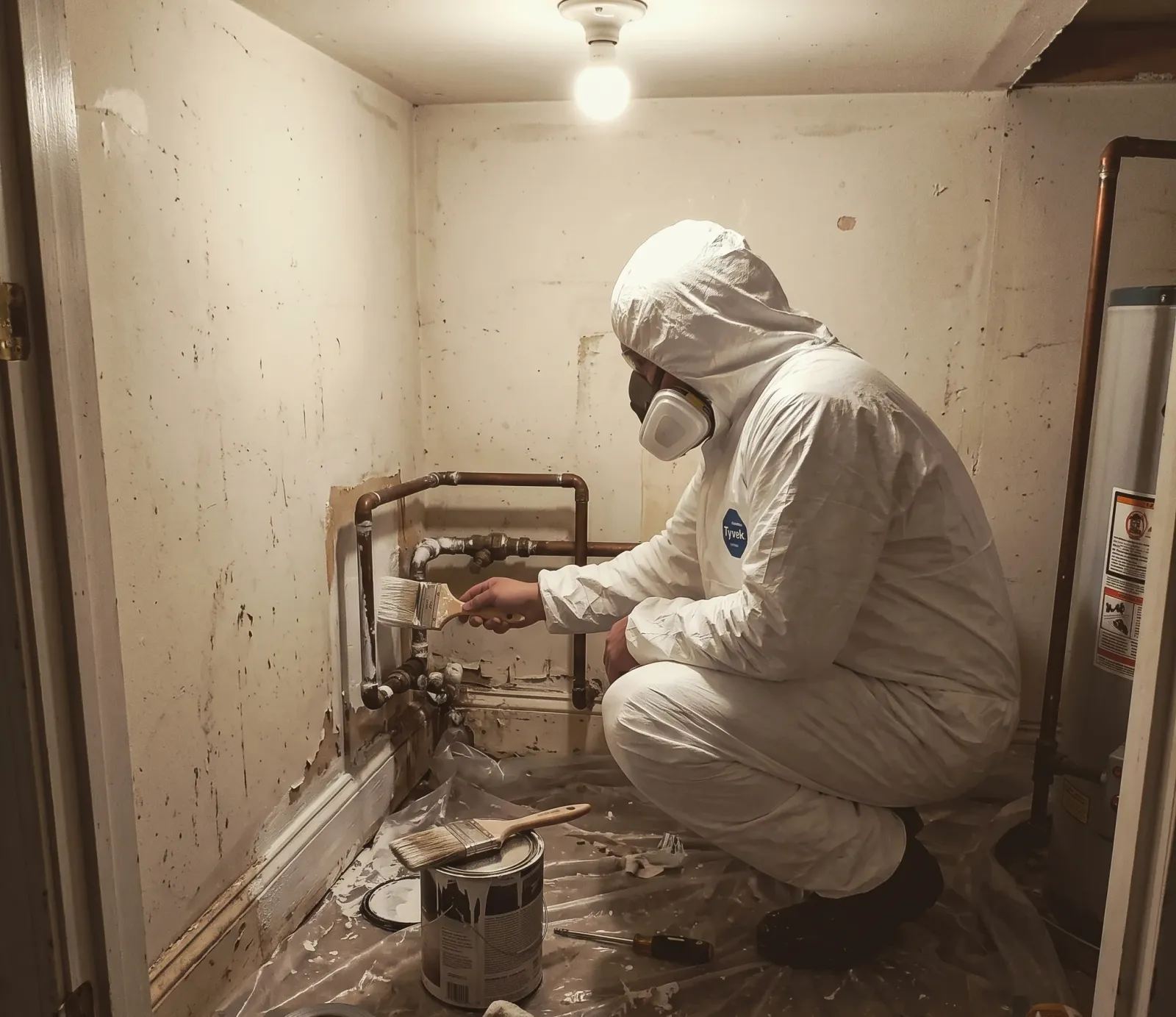
If mold shows up after a leak, burst pipe, or flooding, the practical response is the same regardless of species: identify and stop the moisture source, dry the affected material fully, and remove what cannot be dried and cleaned. The licensed pros we connect you with handle species identification, air quality testing, and remediation as separate but related steps, and can tell a homeowner in Buckhead or College Park whether a patch job is enough or whether contaminated material needs to come out. Waiting rarely makes the job smaller.
What to Ask Before You Panic
None of this is a reason to panic over a stained ceiling tile, and none of it is a reason to ignore one either. Black mold, in the narrow Stachybotrys sense, is one species among several that can grow after water sits somewhere too long, and its reputation has outrun its documented behavior in some respects while understating real allergic and respiratory concerns in others. The honest answer to whether it is dangerous is that it depends on the person, the amount, and how long it sits, which is a less dramatic answer than the internet usually gives but a truer one.
Dealing with this in your home?
A basement near Ormewood Park can sit dry for a year, then take on water the first time a real downpour hits. Atlanta's red clay sheds rain rather than soaking it in, so water piles up against a foundation wall fast, especially on lots that slope toward Intrenchment Creek. This post covers what that pattern actually means for a home.