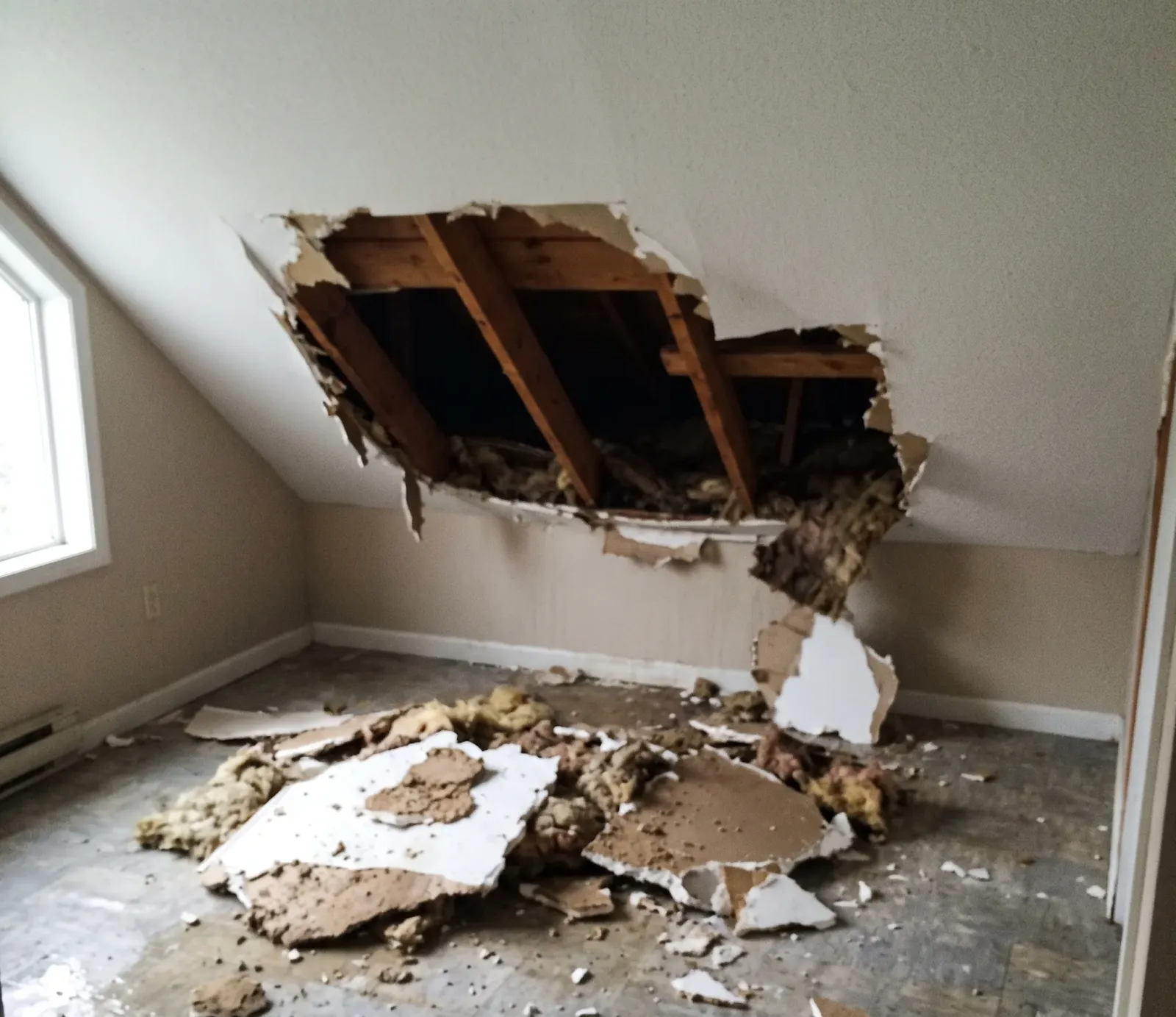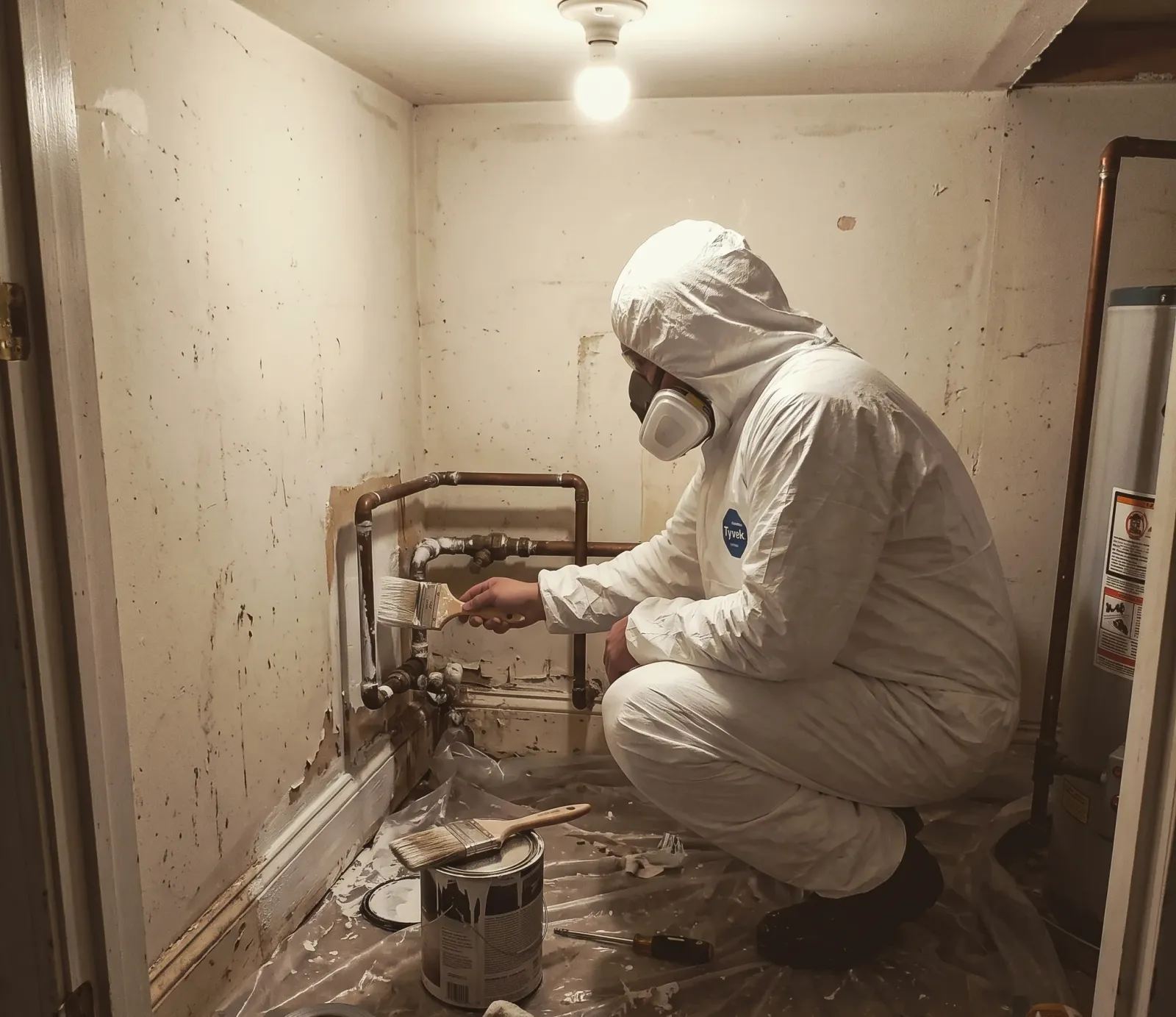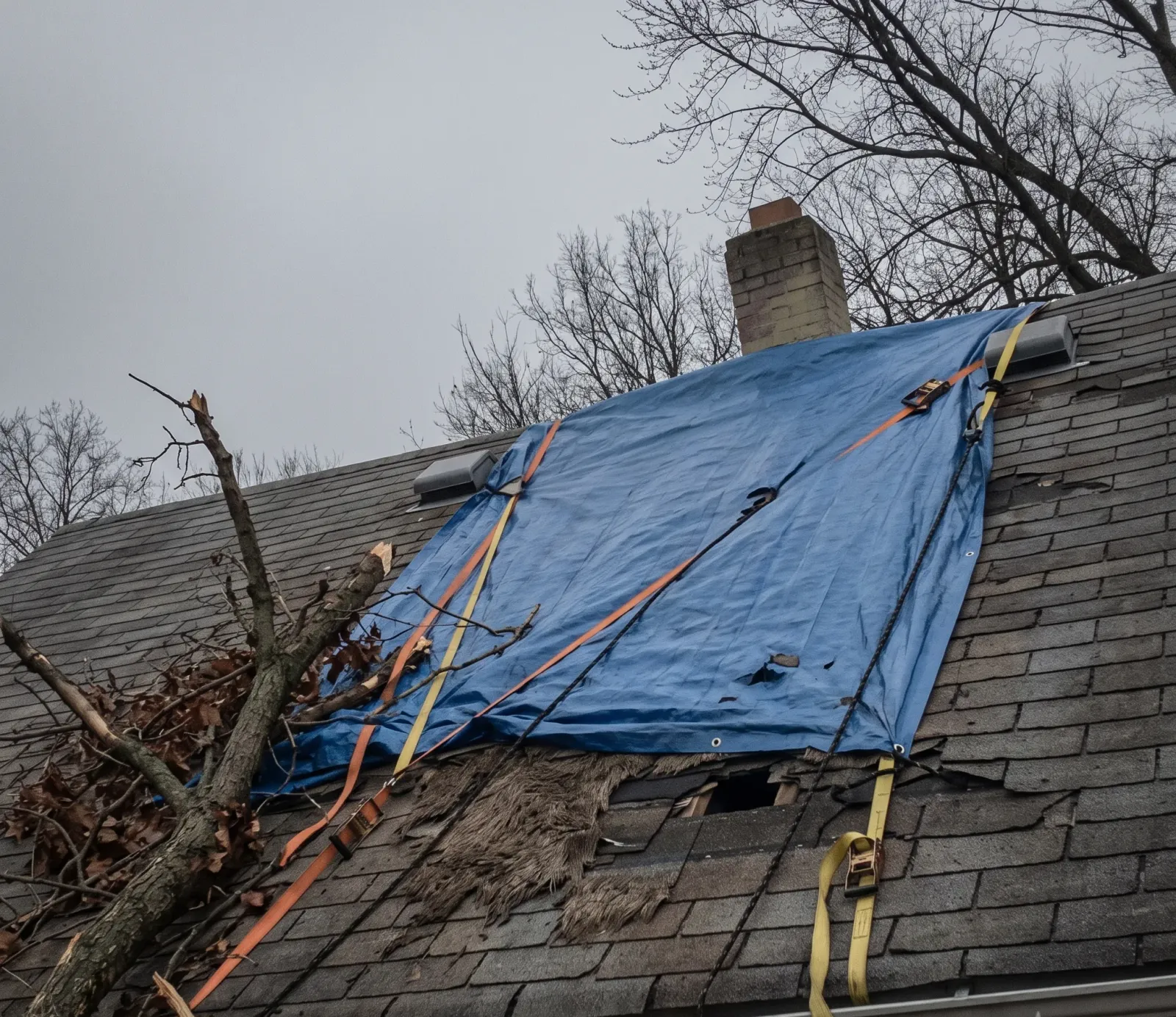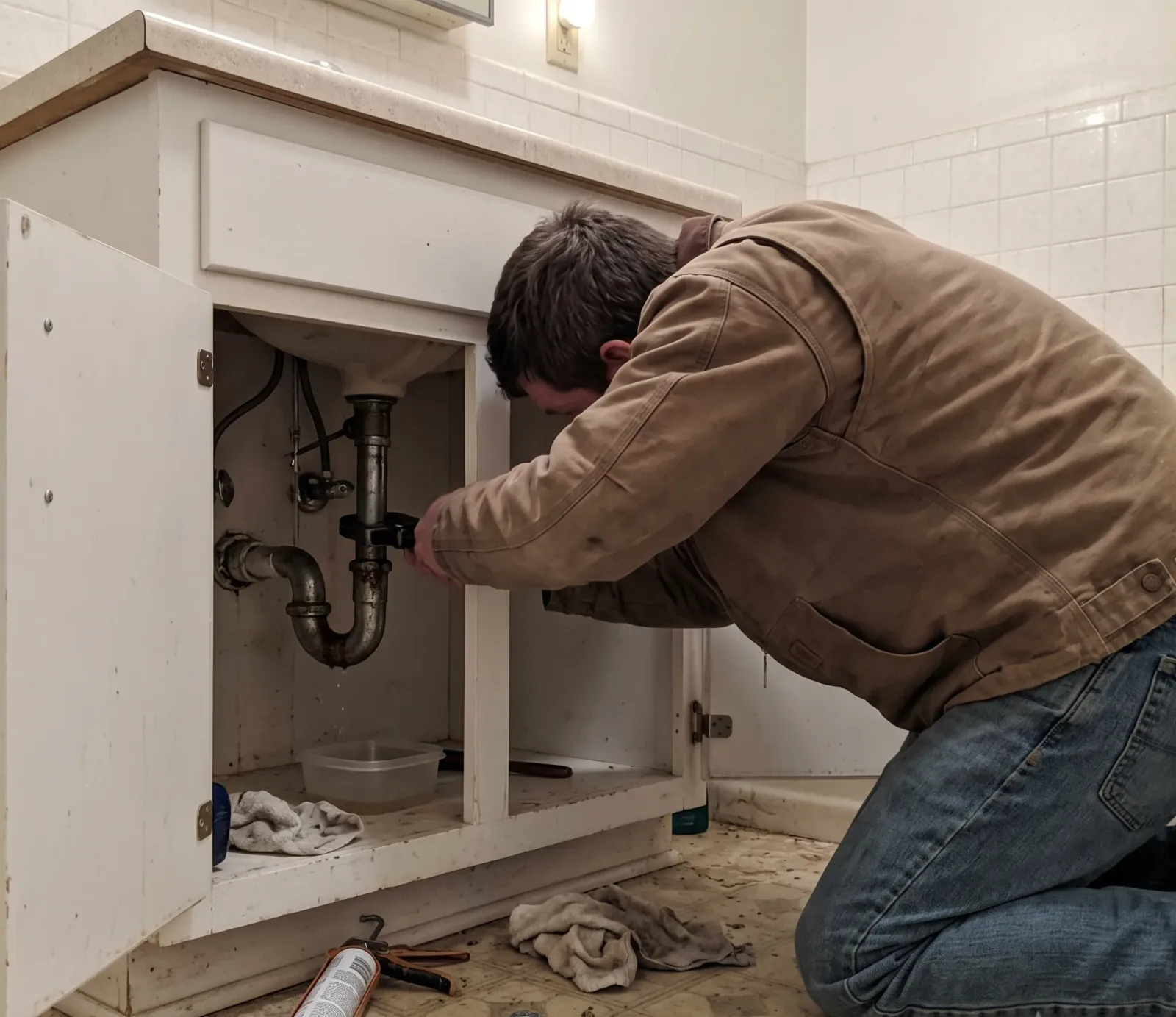
When a pipe bursts in a Virginia-Highland bungalow or a unit floods near Buford Highway, more than one kind of adjuster can end up involved, and homeowners rarely know the difference until a settlement feels wrong. The word "adjuster" gets used loosely, but who that person works for, and who pays them, changes what they are trying to accomplish. Understanding the distinction before a claim gets filed, not after a check arrives, is what actually protects an Atlanta homeowner's interests.
Who The Staff Adjuster Works For
A staff adjuster is a direct employee of the insurance company. They draw a salary from that insurer, carry that insurer's business card, and their entire caseload comes from that one company's policyholders. In practice this means an Atlanta homeowner dealing with water damage near Peachtree Creek or in a Decatur basement is talking to someone whose job security and performance reviews are tied to the same company writing the check. That is not automatically dishonest, but it is a structural fact worth knowing going in.
The Independent Adjuster's Role
An independent adjuster is not a company employee but is still hired and paid by the insurer, usually brought in during high-volume periods, like after a widespread storm affecting Sandy Springs or Chamblee at the same time. They work on a contract basis for one insurer after another, moving between companies as demand requires. The paycheck still originates from the insurance side of the table, so the same basic conflict of interest that applies to staff adjusters applies here too, even though the reporting relationship looks different on paper.
What A Public Adjuster Actually Is
A staff adjuster works for the insurance company and is paid a salary regardless of how a claim resolves. That alone does not make them dishonest, but it is a conflict of interest worth naming plainly: their employer sets the standards they are measured against, and those standards favor controlling payouts. An independent adjuster is hired by the same insurer on a contract basis for overflow work, but reports to that insurer just the same. Neither one is working for the homeowner. A public adjuster is the only one of the three who is hired directly by the policyholder and paid to represent that policyholder's interests in Atlanta and anywhere else the policy covers.
The Conflict Of Interest Explained
The conflict of interest is not about any individual adjuster acting in bad faith. It is structural: whoever pays an adjuster's fee has some influence, intentional or not, over that adjuster's incentives. A staff or independent adjuster's employer benefits when a claim settles for less. A public adjuster's client benefits when the claim settles for more, since that policyholder's own repair costs are what is on the line. Recognizing which side of that structure someone sits on explains a lot about why two professional estimates on the same Atlanta water loss can differ.
How Public Adjusters Are Paid
The fee difference matters most when you weigh whether hiring help is worth it. A staff or independent adjuster costs you nothing directly since the insurer pays them as part of doing business. A public adjuster, by contrast, usually works on a contingency fee, taking a cut of your settlement, up to 33 percent under Georgia's own consumer bulletin, though many charge less in practice. That fee only comes out if they raise your payout enough to justify it. Weigh the estimate discrepancy on your Atlanta claim before deciding either way.
Fiduciary Duty To The Policyholder
Because a public adjuster works only for the policyholder, they carry a fiduciary duty to that homeowner specifically, meaning their legal and ethical obligation runs to the person who hired them, not to the insurance company. A staff or independent adjuster has no such duty to the homeowner; their obligation runs to the insurer that employs or contracts them. This is the clearest practical difference between the two roles for someone in Buckhead or Kirkwood trying to figure out whose recommendation to weigh more heavily during a dispute.
When An Estimate Discrepancy Appears
An estimate discrepancy happens when the insurance company's adjuster and the homeowner's own assessment of damage do not match, sometimes by a small margin, sometimes by a great deal. This is often the exact moment a homeowner near Ormewood Park or East Atlanta starts researching the difference between adjuster types, because the mismatch raises the question of whether the insurer's number reflects the full scope of damage or a more conservative reading of it. A public adjuster's estimate becomes the homeowner's counterpoint in that situation.
Negotiation Once Both Sides Differ
Once an estimate discrepancy exists, some form of negotiation follows, either directly between the homeowner and the insurer's claims examiner, or between the homeowner's public adjuster and that same examiner. A claims examiner reviews the file, weighs both estimates, and works toward a settlement figure the insurer will pay. Having a public adjuster in that conversation means the homeowner has someone whose full-time focus is that negotiation, rather than trying to hold their own against a professional across the table while also managing the disruption at home.
Licensing Applies To Both Roles
Licensing is required for every class of adjuster in Georgia, public, staff, and independent alike, under the same state framework that covers insurance agents, solicitors, counselors, and brokers. This means a homeowner in Chastain Park or near Emory University can verify that whoever they are dealing with, on either side of the claim, is authorized to do this work in the state. A license does not guarantee a favorable outcome, but it does confirm the person is operating inside a regulated profession rather than informally.
The Policyholder Advocate Framing
Public adjusters are sometimes described as policyholder advocates, a term that captures the plain function of the role without overstating it: someone whose job is to make sure the homeowner's side of the damage, whether in a Cabbagetown rowhouse or a Dunwoody Village unit, is fully documented and fairly represented in the claim. That framing does not make the insurer's adjuster an adversary by default. It simply names who each person in the process is actually working for, which is the entire distinction this comes down to.
Whose Side Is the Adjuster On
The clearest sign a second opinion might help is a wide estimate discrepancy: the insurer's number covers a fraction of what a contractor near Ponce de Leon Avenue or Virginia-Highland quotes for the same repair. A public adjuster does not replace the negotiation that already happens between homeowner and insurer, it just puts someone with claims experience on the homeowner's side of it. Whether that is worth a percentage of the settlement depends on the size of the claim and how far apart the two estimates already are, which is a decision worth making with real numbers in hand rather than in the middle of a dispute.
Dealing with this in your home?
A basement near Ormewood Park can sit dry for a year, then take on water the first time a real downpour hits. Atlanta's red clay sheds rain rather than soaking it in, so water piles up against a foundation wall fast, especially on lots that slope toward Intrenchment Creek. This post covers what that pattern actually means for a home.