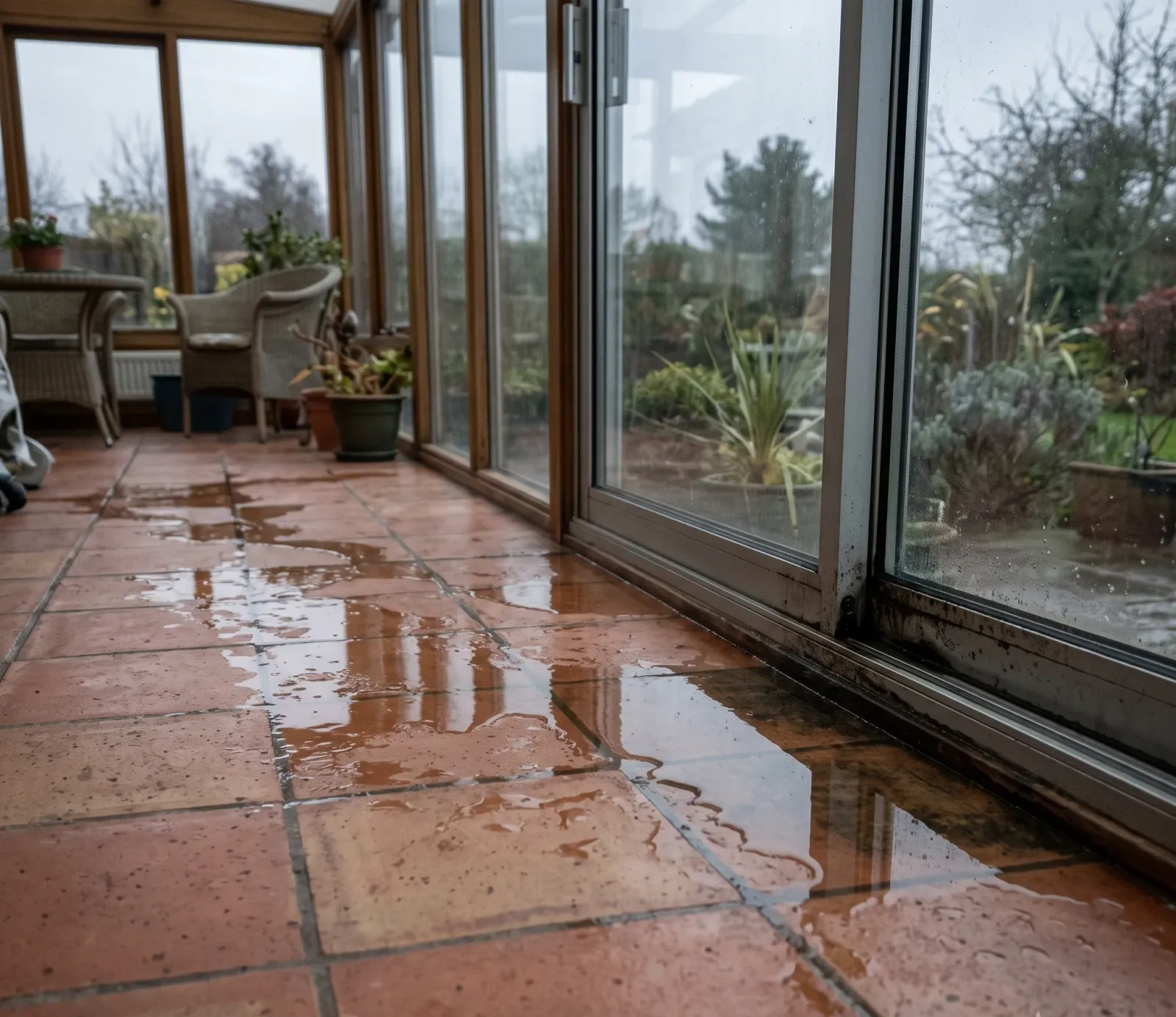
When water gets into a house in Atlanta, the furniture and boxes sitting in its path usually cannot stay where they are while drying equipment runs. A pack-out is the process of removing those belongings, tracking each one, and holding them somewhere safe until the space is ready again. It sounds simple until you picture an entire living room or a flooded basement full of storage boxes near neighborhoods like Grant Park or Kirkwood, and someone has to account for every single item that leaves the house.
Why A Pack-Out Happens
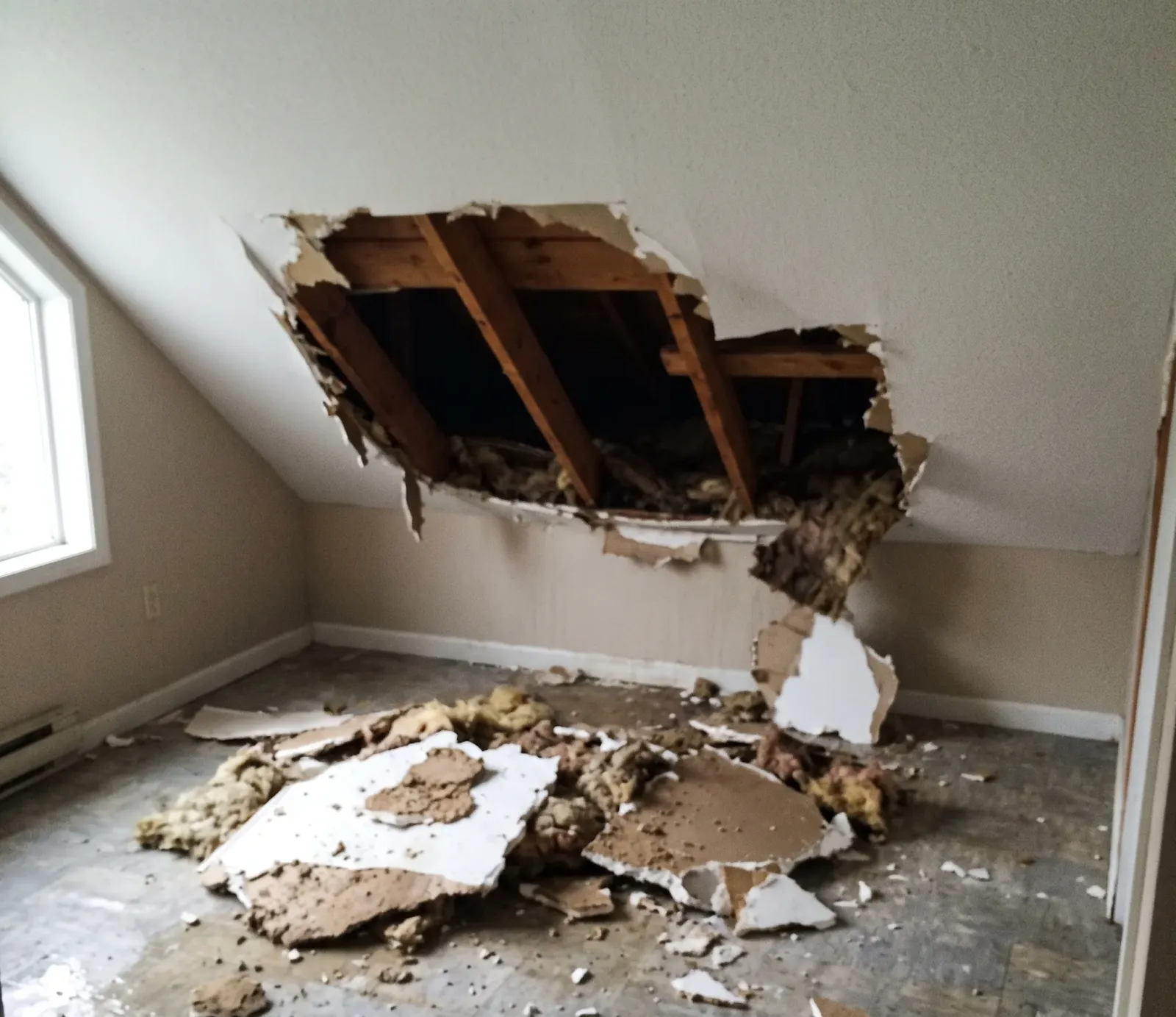
A pack-out gets triggered when water is standing in a room long enough that furniture legs, box bottoms, or flooring underneath belongings are at risk, or when a space needs to be fully cleared for drying equipment and demolition to work. A single wet rug can sometimes stay in place. A flooded den full of upholstered furniture and bookshelves usually cannot. The decision comes down to whether items are actively blocking the drying work or sitting in water themselves.
Building The Inventory Sheet
Before anything leaves the house, the licensed pros walk the space and build an inventory sheet, room by room. Every item gets a written description, a condition note, and a line noting whether it appears salvageable or a total loss. This sheet becomes the record that both the homeowner and the insurance adjuster rely on later, so it is written carefully rather than rushed, even in a house as modest as a single bedroom in East Atlanta Village.
Barcoding Every Item
Once an item is logged, it gets a barcode label matched to its inventory line. That barcode is what makes it possible to find one dining chair among hundreds of boxes stacked in a warehouse weeks later. Without it, tracking relies on memory and paper alone, which falls apart fast once a job involves more than a few rooms. The barcode stays attached through storage, cleaning, and the eventual return trip home.
Photo Documentation First
Photo documentation happens alongside the inventory sheet, not after it. Each item, and often each room before anything is touched, gets photographed so there is a visual record of its condition at the moment of pack-out. This protects the homeowner if a dispute comes up later about whether damage existed before the loss or happened during the move, and it gives the insurance file something concrete to reference beyond a written description.
Crating Furniture And Fragiles
Furniture and fragile items are wrapped and crated for the move, using padding and boxing suited to what is being protected. A wooden dresser gets handled differently than a box of dishware or a framed photograph. Crating is not just about getting things out the door safely, it is about making sure the same item survives a truck ride, weeks of storage, and a second move back home without new damage showing up.
Where Belongings Go Next
Once loaded, belongings travel to a storage facility rather than sitting in a garage or a rented truck. Depending on what is being stored, that facility may offer climate-controlled storage, which matters more in Atlanta summers when heat and humidity can warp wood, curl paper, or encourage mold growth in anything that was not fully dry when it was packed. Not everything requires climate control, but items that do are flagged on the inventory sheet.
Electronics Get Separated
Electronics are pulled out and handled as their own category. A water-exposed television, computer, or stereo system is not treated like a couch. Electronics restoration involves assessing whether internal components were exposed to moisture, cleaning what can be cleaned, and testing function before anything is called salvageable. Items that cannot be safely restored are noted as a loss on the inventory sheet rather than returned in a condition that could be unsafe to plug in.
Textiles Follow Their Own Path
Clothing, curtains, bedding, and similar items go through textile cleaning separate from the rest of the contents. Fabric holds odor and contamination differently than hard surfaces do, so it needs its own cleaning process rather than a quick wipe-down. Some fabric items also go through content cleaning more broadly, which covers a wider range of soft and porous belongings that absorbed water or the smell that came with it.
What Happens In The Warehouse
Items with detailed surfaces, metal components, or intricate parts, things like small appliances, tools, or decorative objects, sometimes go through ultrasonic cleaning. This process uses sound waves moving through a cleaning solution to reach into grooves and joints that a cloth or brush cannot get into. It is not used on everything, but for the right item it can remove residue that would otherwise stay trapped in a seam or a hinge.
The Pack-Back, Explained
While a house dries out, the warehouse is where all of this actually happens. Barcoded items sit on shelving organized by job and by room, so a single household's belongings stay grouped together even inside a much larger facility. Staff can pull a specific item for inspection or a client visit without disturbing anything else, and the inventory sheet stays the master reference for where everything is and what condition it is in.
Where Your Belongings Go Next
The pack-back is the reverse trip: once a home near areas like Kirkwood or East Atlanta is dry and repaired, belongings are checked against the original inventory sheet and returned to their rooms. Barcodes get scanned again on the way out so nothing is missed. Items that went through cleaning or electronics restoration are noted as such, and anything that could not be saved is confirmed against the earlier documentation rather than being a surprise at the end.
Dealing with this in your home?
A basement near Ormewood Park can sit dry for a year, then take on water the first time a real downpour hits. Atlanta's red clay sheds rain rather than soaking it in, so water piles up against a foundation wall fast, especially on lots that slope toward Intrenchment Creek. This post covers what that pattern actually means for a home.