When a technician pulls up to a house in Atlanta after a pipe burst or a roof leak, the first twenty minutes look less dramatic than most people expect. Nobody starts pulling up flooring right away. The visit opens with a walkthrough of the affected rooms, a look at where the water traveled, and a conversation about what happened and when. That sequence exists because everything that follows, from equipment placement to the insurance paperwork, depends on getting an accurate picture of the damage first.
The Initial Walkthrough
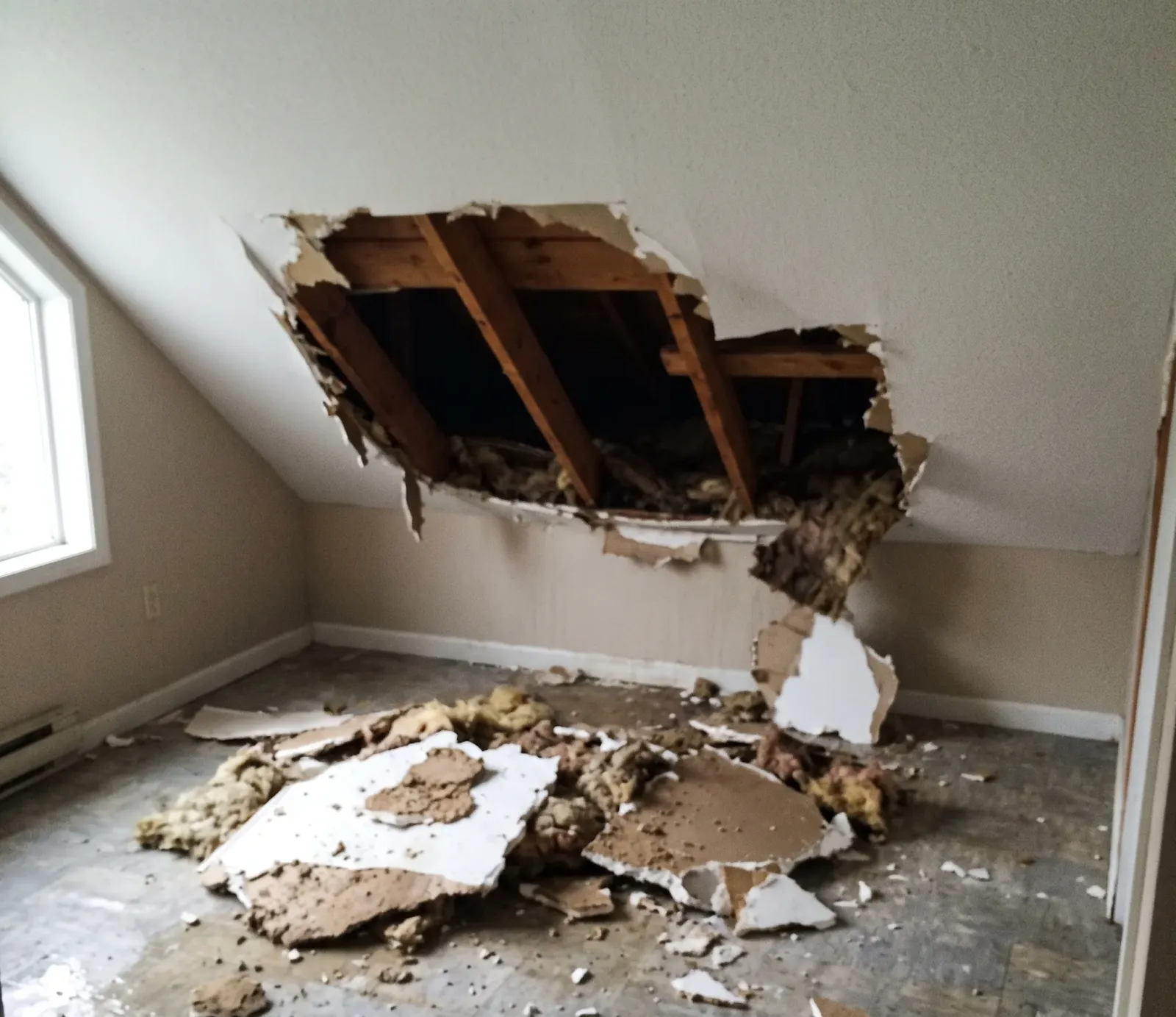
The walkthrough is a slow pass through every room the water reached, not just the one where it started. In a Virginia-Highland bungalow with an upstairs bathroom leak, that often means checking the ceiling below, the closet on the other side of the wall, and the baseboards down the hall. The technician is looking for staining, soft spots, and smell, and asking the homeowner what they noticed and when, since that timeline matters for the scope of work that gets written afterward.
Moisture Mapping Explained
Moisture mapping is the process of testing materials with a meter to find out how far water actually spread, since wet drywall and wet subfloor rarely stop exactly where the stain does. A moisture reading gets taken at the visible edge of damage and then a few inches beyond it, working outward until the readings come back dry. In an older Grant Park home with plaster walls, that boundary can sit well past where the ceiling looks discolored.
Why Readings Get Recorded
Every moisture reading gets written down, usually against a floor plan sketch, because that record becomes the baseline for the drying plan and later proof that the space actually dried. Without a starting number, there's no way to show an insurance adjuster or the homeowner that the wall cavity near a Kirkwood kitchen went from soaked to normal. The same numbers get checked again on later visits to track progress against that first reading.
Photo Documentation Matters
Photos get taken before anything is moved or touched, room by room, including close-ups of stained baseboards, water lines on walls, and any visible mold. This isn't just paperwork for its own sake. Insurance coordination runs on documentation, and a claim tied to a Decatur duplex or an Edgewood rental moves faster when the adjuster can see exactly what the technician saw on day one, rather than relying on a description written after the fact.
Building the Scope of Work
Once the walkthrough and moisture mapping are done, the technician puts together a scope of work: which materials are salvageable, which need to come out, and what equipment the space requires. This becomes the work order that guides the rest of the job. A one-bedroom condo near Peachtree Street needs a different scope than a Morningside house with a crawl space, and the equipment list reflects that difference rather than a standard package applied everywhere.
Setting Up Containment
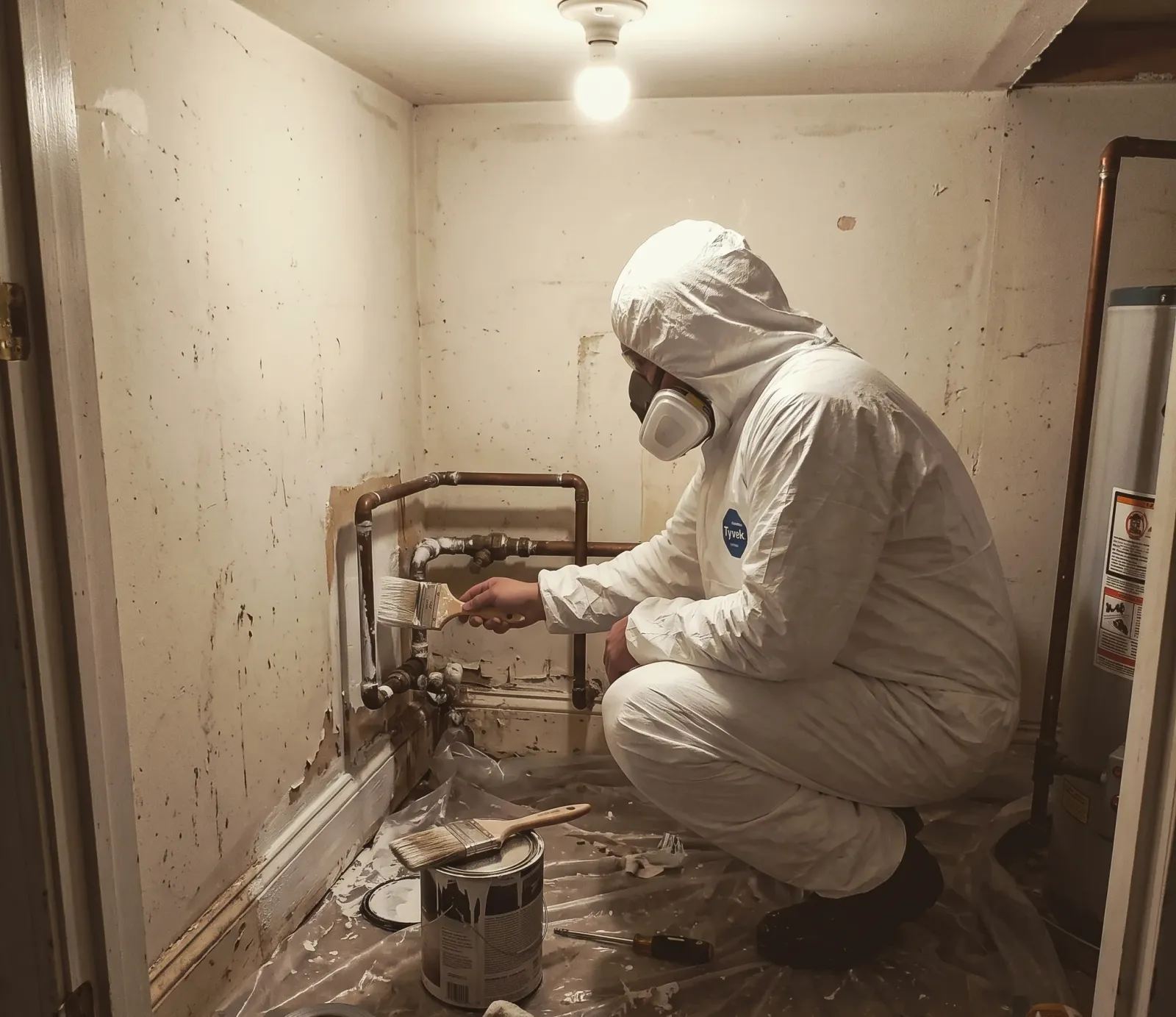
Containment setup is the plastic sheeting and zipper doors that keep a drying area separate from the rest of the house, and it matters most when there's any chance of mold or when dust and debris need to stay out of living space. Not every job needs it. A small bathroom leak in a Cabbagetown loft might not, while a larger job affecting a finished basement usually does, simply to keep the rest of the home usable while drying equipment runs.
Equipment Placement Logic
Atlanta's stretch from May through September runs hot and sticky, and that ambient humidity works against drying no matter how well the setup is done. Wet drywall, subfloor, and framing give up moisture more slowly into air that is already carrying its own load of it. That's why a technician sets drying targets rather than a fixed number of days, and why a follow-up visit to check moisture readings is normal in Grant Park, Kirkwood, or anywhere else in the city during these months, not a sign the first plan was wrong.
How the Drying Plan Works
The drying plan lays out how long equipment is expected to run and what the daily check-ins look like. Most jobs need a return visit every day or two to retake moisture readings and confirm the numbers are trending down, not just to check that fans are running. A homeowner near Toco Hills should expect a rough timeline at this stage, phrased as an estimate rather than a fixed promise, since drying speed depends on how much water was involved and how the materials respond.
Your Point of Contact
Somewhere in this first visit, the homeowner should get a clear point of contact: one person or one line to call with questions rather than a different voice every time. That matters most for anyone dealing with an insurance claim on top of the drying work, since questions about the work order or the timeline come up constantly, and East Atlanta and Kirkwood renters juggling a landlord and an adjuster at the same time need one number to call.
Working With Your Insurer
Insurance coordination usually starts with the photo documentation and the written scope of work getting shared with the adjuster, so the claim lines up with what's actually happening at the house. This doesn't mean the technician handles the claim on the homeowner's behalf. It means the paperwork produced on day one, the readings, the photos, the scope, is built in a form an adjuster can use, which tends to move a Decatur or Chamblee claim along faster than a verbal description alone.
Communication After the Crew Leaves
None of this replaces the actual extraction and drying work, which is a separate stage once the assessment is done. But the first visit sets the terms for everything after it: what gets dried versus removed, how long it should take, and who to call if the timeline shifts. A homeowner near Buford Highway or the Chattahoochee River who understands this sequence going in tends to have fewer surprises by the time the equipment finally comes out.
Dealing with this in your home?
A basement near Ormewood Park can sit dry for a year, then take on water the first time a real downpour hits. Atlanta's red clay sheds rain rather than soaking it in, so water piles up against a foundation wall fast, especially on lots that slope toward Intrenchment Creek. This post covers what that pattern actually means for a home.