Wiping down a moldy patch in an Atlanta bathroom or basement wall feels like it solved the problem, and for a week or two it looks like it did. Then the same dark patch shows up in the same spot, sometimes larger. That pattern is not bad luck or a weak cleaner. It usually means the cleaning addressed what was visible on the surface while the actual source of moisture behind or inside the wall kept feeding new growth the whole time.
What Surface Cleaning Actually Removes
Bleach and other surface cleaners kill the mold you can see and reach with a cloth, which is real progress on a painted wall or tile. But mold growing on a porous material like drywall paper, wood framing, or insulation has usually sent structure down into the material itself, not just across its face. A wipe-down on the surface leaves that embedded portion untouched, and it also leaves spores already released into the air free to resettle once the surface dries again.
Where The Moisture Is Actually Hiding
Surface cleaning removes what a mold problem shows, not what caused it. Wiping a wall with bleach kills what sits on top, but bleach does not penetrate drywall, framing, or subfloor, and it does nothing for a source of moisture still feeding the cavity behind that surface. In an Atlanta basement or crawl space, that source is often groundwater pressing against a foundation wall or a vapor barrier that has torn away from the soil beneath it. Until that moisture intrusion is found and stopped, the visible patch was never the real problem.
Why Porous Materials Hold The Problem
Drywall, wood, insulation, and carpet backing all qualify as porous materials, meaning water moves into them rather than staying on top the way it does on tile or glass. Once a porous material has absorbed moisture, drying the surface with a fan or a cleaning product does not fully dry the interior. That interior dampness is exactly what mold needs, and it will keep producing new growth at the surface for as long as the material underneath stays wet.
The 24 To 48 Hour Window
Porous materials hold water the way a sponge does, not the way a countertop does. Drywall paper, wood framing, subfloor, and insulation all soak up moisture and stay damp long after a surface looks dry to the eye. A wall cavity with wet insulation inside it can keep a mold colony fed for weeks while the painted drywall in front of it looks untouched. That is why a homeowner who repaints after a leak in a Grant Park or Kirkwood bungalow is often surprised when the same stain returns within a season.
Humidity's Role Even Without New Water
Recurring growth almost always traces back to one of two things: the moisture intrusion was never fully stopped, or spores already spread before anyone addressed the source of moisture. Mold releases spores into the air as it grows, and those spores travel through an open doorway, a shared HVAC return, or an air gap between a subfloor and a wall cavity. A patch treated in isolation, without containment around the work area, can reseed a nearby room in Decatur or East Atlanta within days of looking clean.
Why Containment Gets Skipped At Home
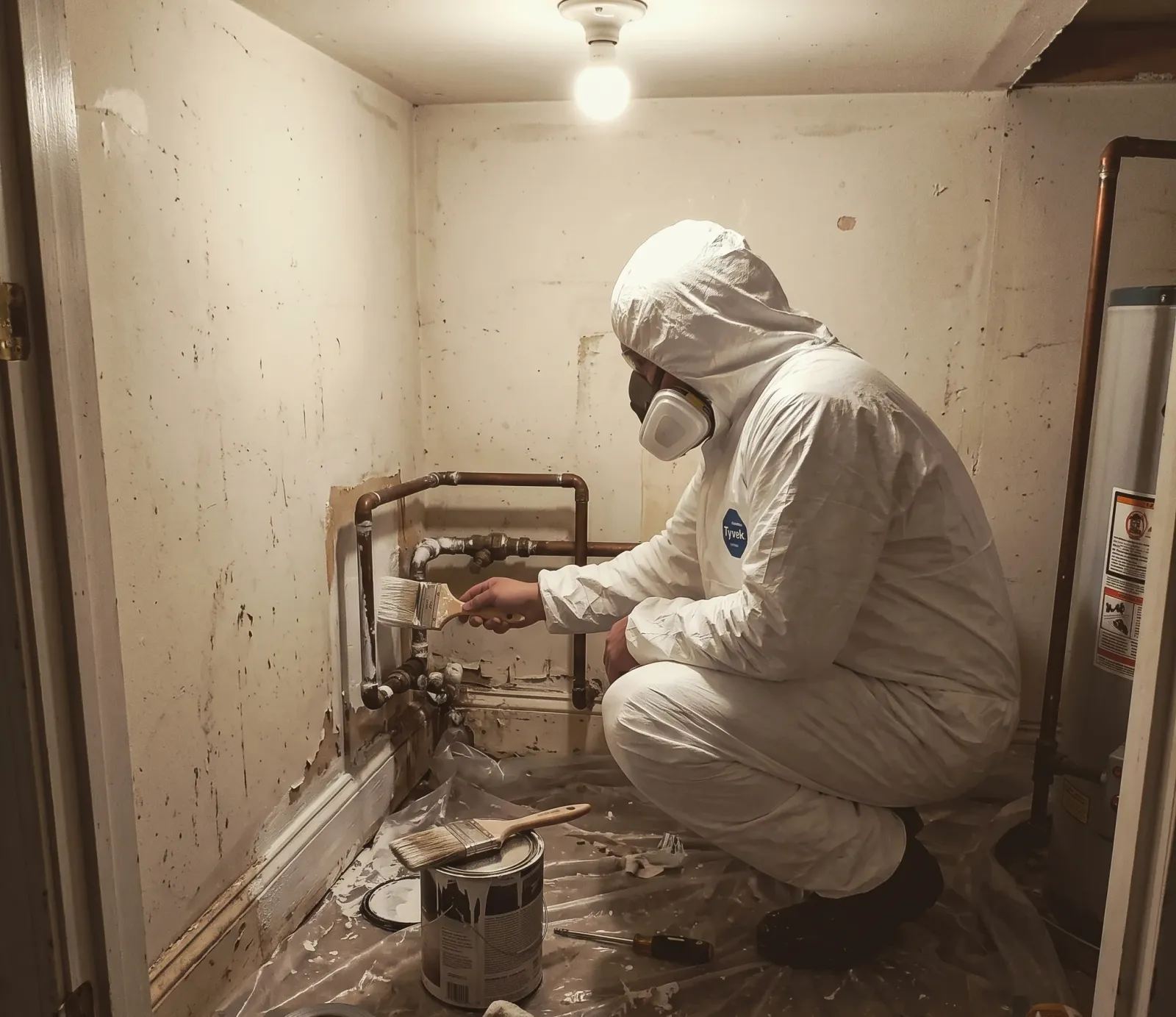
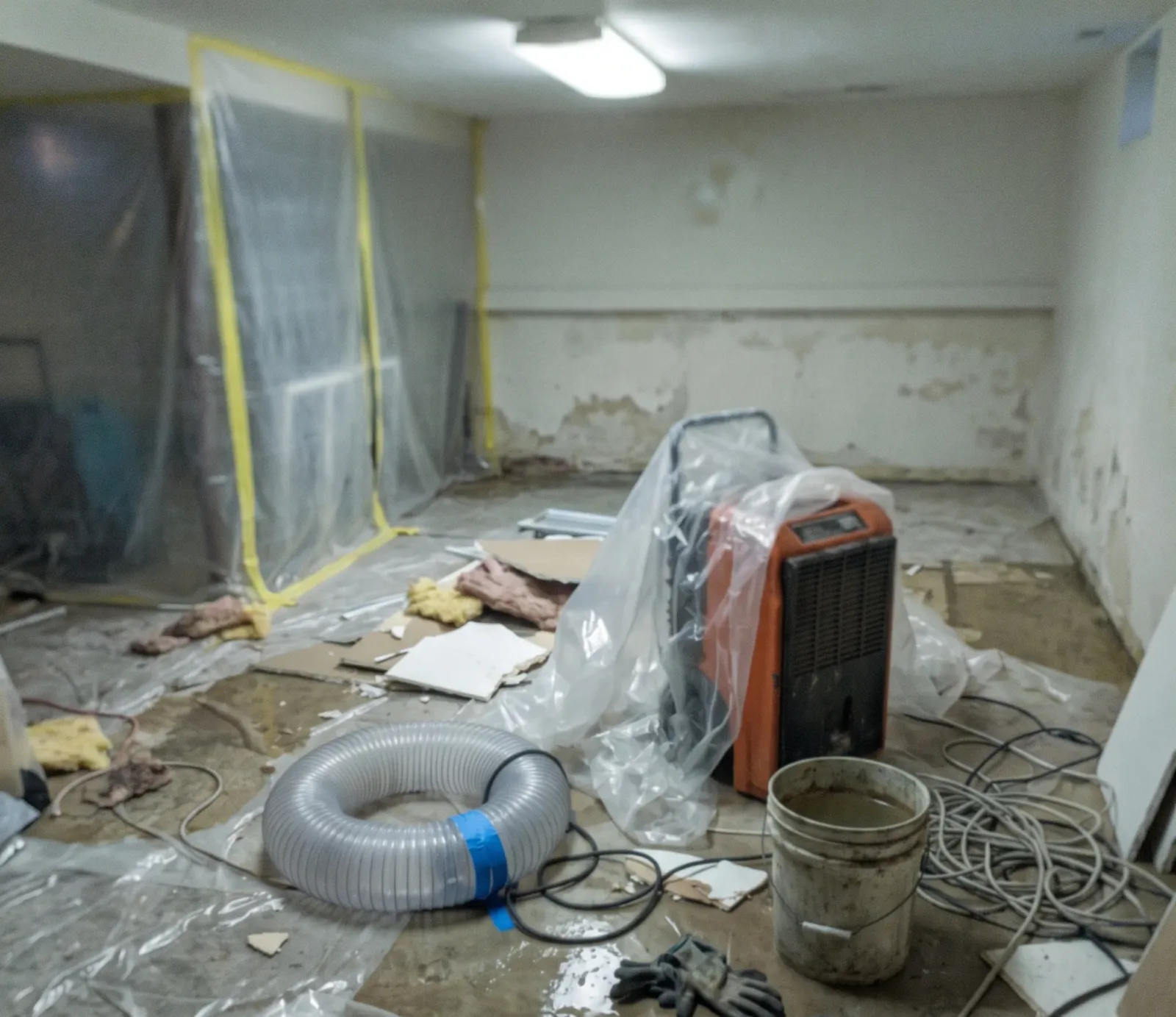
Professional containment exists to stop disturbed mold from spreading spores into rooms that were clean before the work started, which is part of the licensed pros' removal process rather than something a homeowner sets up before wiping a wall. Without any separation between the work area and the rest of the house, disturbing a moldy surface with a scrub brush or a fan can push spores into an air gap around a doorway or HVAC vent and seed a second location that was never wet to begin with.
How Cross Contamination Spreads It
Cross contamination happens when spores, tools, or even a cleaning rag move mold from the original wet area to a dry one. Carrying a sponge from a moldy shower to a nearby vanity, or running a box fan that blows across a moldy patch toward an open hallway, both count. This is part of why a bathroom problem can reappear as a closet problem next door, and why the second outbreak looks unrelated when it actually traces straight back to the first one.
Why The Same Spot Keeps Reappearing
When mold comes back in the identical location every time, that is the strongest sign the source of moisture was never addressed. A recurring stain on the same ceiling tile or the same baseboard usually points to a fixed source such as a slow plumbing leak, condensation on a cold pipe inside a wall cavity, or water tracking in from outside during a heavy rain. Cleaning that same spot repeatedly without finding the source only resets the clock on the next 24 to 48 hours.
What A Real Fix Looks Like
Solving recurring growth means finding and correcting the moisture source first, whether that is a vapor barrier that needs replacing in a crawl space, a plumbing leak inside a wall, or an attic air handler pan that has been overflowing quietly. Once the source is stopped and the porous material affected is either dried completely or removed, a surface cleaning actually holds, because there is no ongoing hidden moisture feeding the material from behind the paint or tile.
When To Stop Cleaning It Yourself
Surface cleaning removes visible growth but leaves the source of moisture untouched, which is why it returns. Bleach kills what it can reach on a nonporous surface, but spores sit deeper inside porous materials like drywall paper and wood framing, and wiping the front of a wall does nothing for a wall cavity that stayed wet behind it. Without containment, cleaning can even stir spores loose and cause cross contamination to rooms that were never affected. Until the hidden moisture is found and dried, recurring growth is close to guaranteed.
The Real Cost of Ignoring the Source
Mold that keeps returning is not a cleaning failure, it is a location failure: the water is still getting into a wall cavity, crawl space, or attic somewhere the last cleaning never reached. Atlanta's long humid stretch each year means that once a porous material stays damp, growth resumes fast and keeps resuming until the source is actually found. Treating the visible patch as the whole problem is the one habit that guarantees a second call.
Dealing with this in your home?
A basement near Ormewood Park can sit dry for a year, then take on water the first time a real downpour hits. Atlanta's red clay sheds rain rather than soaking it in, so water piles up against a foundation wall fast, especially on lots that slope toward Intrenchment Creek. This post covers what that pattern actually means for a home.