A musty odor showing up in an Atlanta house is usually the building telling you something about moisture before you can see it. The smell itself comes from microbial volatile organic compounds, byproducts given off as mold or mildew digest damp organic material like wood, drywall paper, or dust. Atlanta's long stretch of humid months, roughly May through September, means relative humidity indoors stays elevated for weeks at a time, which is exactly the condition that lets that smell start and linger in places air does not move well.
What Musty Actually Means
Must is the general term for that damp, earthy smell, and it is a byproduct, not a substance on its own. When people say mildew smell they usually mean surface mold growing on a damp material with enough oxygen and light exposure to stay somewhat visible, while a heavier, closed-in odor coming from behind a wall or under carpet more often points to organic growth in a spot with no airflow at all. Either way, the smell is a signal that moisture has been sitting somewhere longer than the material can tolerate.
Why Atlanta Humidity Matters
Atlanta's subtropical summer humidity does more than make the air feel heavy. High ambient moisture slows evaporative drying, so if a basement, crawl space, or bathroom in a home near Virginia-Highland or Grant Park gets damp, that dampness does not evaporate the way it would in a drier climate. Building materials release moisture into already-humid air far more slowly, which stretches out the window for organic growth to establish itself, sometimes over the course of an entire humid season rather than days.
Normal Dampness Versus a Problem
Not every musty note is cause for alarm. A closet that smells faintly stale after a rainy week, or a basement that picks up a slight earthy smell during peak summer humidity, can be ordinary seasonal dampness tied to poor ventilation rather than an active moisture source. The distinction usually comes down to whether the smell fades once humidity drops and air circulation improves, or whether it holds steady and gets stronger, which suggests something is staying wet rather than just feeling damp.
Signs It Is More Than Humidity
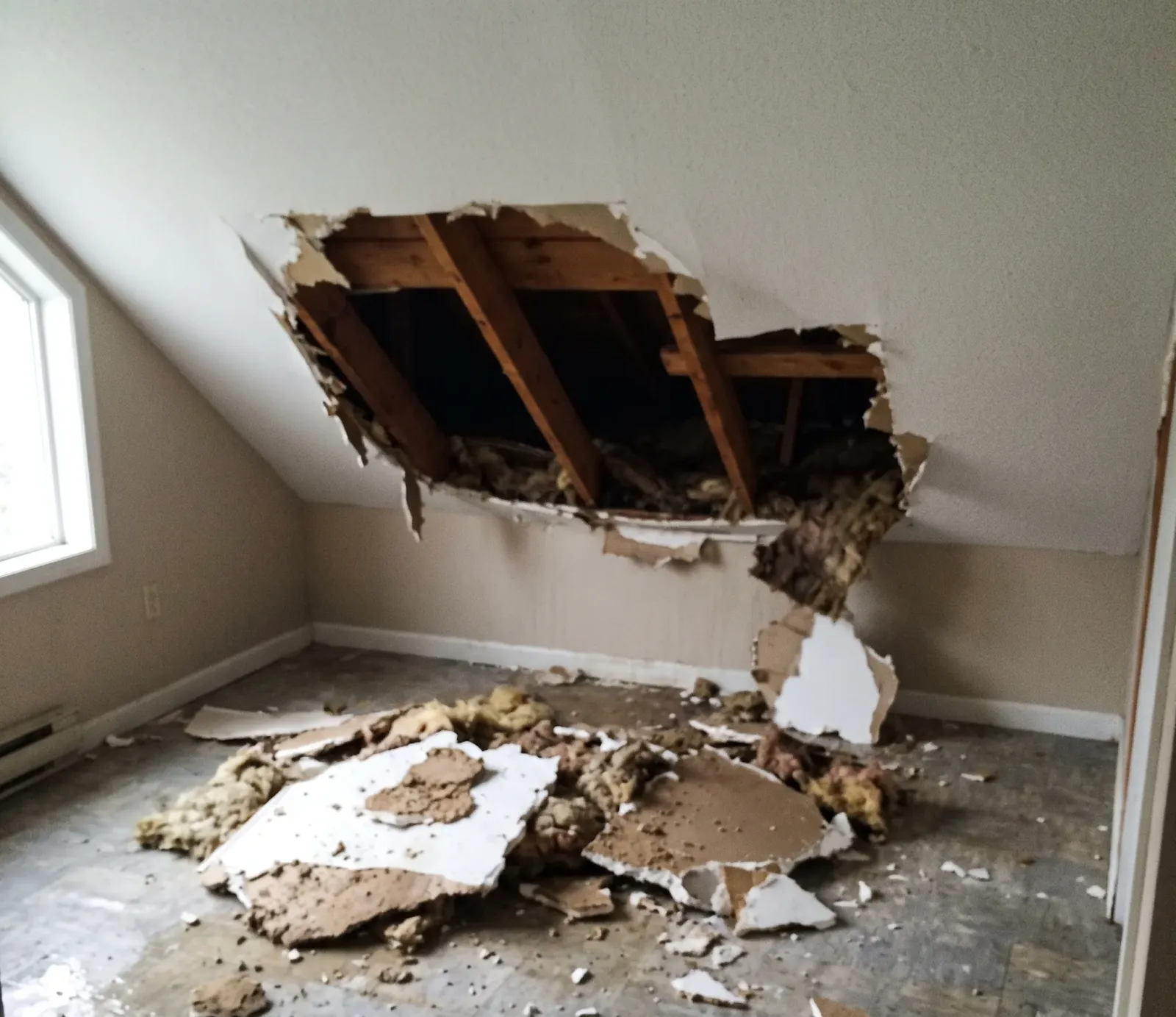
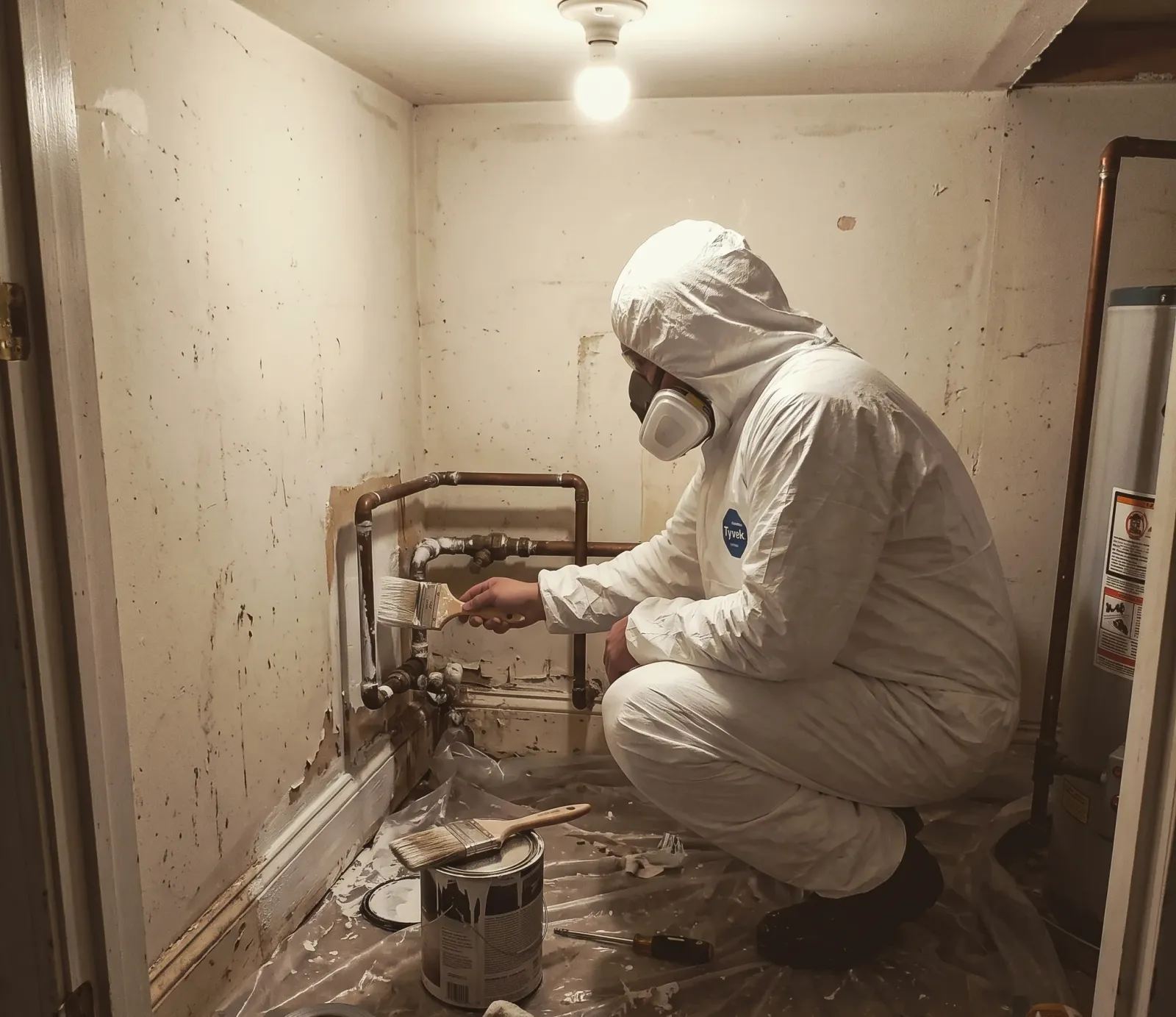
A few signs separate routine humidity from a genuine moisture source. A smell that is strongest in one specific spot rather than spread evenly through a room often points to condensation on a cold surface, a slow plumbing leak, or water finding its way in near a foundation wall. Visible discoloration, a damp carpet that never fully dries, or peeling paint near a baseboard are the kind of physical evidence that usually accompanies hidden mold rather than plain seasonal humidity.
Where These Smells Start
Atlanta's humidity runs high from roughly May through September, and that alone can make a house smell musty without any hidden mold problem behind it. A damp carpet near a leaky window, poor ventilation in a closed-up room, or a spell where the hvac system wasn't running enough air circulation can all produce that mildew smell on their own. The difference is usually time: normal dampness dries out once conditions change, sometimes helped by a dehumidifier. A musty odor that lingers past a dry stretch, or gets stronger in one spot, points to a steady moisture source feeding organic growth somewhere out of sight.
The Role Of Poor Ventilation
Air circulation is one of the biggest variables in whether dampness turns into a smell that sticks around. A bathroom without a working exhaust fan, a closet on an exterior wall with little airflow, or a crawl space with blocked vents all trap the same humid air near surfaces long enough for organic growth to get a foothold. Improving air circulation alone, without addressing an actual moisture source, will reduce a musty smell but will not necessarily eliminate one that has already established itself.
When A Dehumidifier Helps
A dehumidifier is a reasonable response to a musty smell that seems tied to general humidity rather than a specific leak, especially in a basement or crawl space during Atlanta's humid stretch of the year. Pulling relative humidity down below the range where mold spores can actively grow can stop a mild, diffuse musty smell from getting worse. It will not, however, dry out a damp carpet soaked from a plumbing leak or resolve condensation forming on a specific cold pipe, because those need the actual moisture source addressed first.
Condensation As A Hidden Source
A working HVAC system pulls moisture out of the air as it cools, so a musty smell that shows up when the air conditioning has been off, or in a room with weak air circulation, often points to condensation rather than a leak. Check window sills, the underside of exterior walls, and any closet on an outside wall near Peachtree Creek or another low-lying stretch of the city, where ambient humidity runs a bit higher. If the smell fades once the HVAC system runs a while, that is ordinary condensation, not a moisture source you need to chase further.
Materials That Hold The Smell
A mildew smell that will not fade after a day of good air circulation and a dehumidifier running is a different situation. That points to a moisture source with some duration behind it: a slow plumbing drip inside a wall, a damp carpet that never fully dried after a spill, or standing water under a crawl space vent that never got sealed. At that point the odor is a symptom, not the problem, and finding the actual source matters more than masking the smell with an air freshener or a scented plug-in.
When To Look Closer
A musty smell that returns after cleaning, gets stronger in one area, or shows up alongside visible spotting on drywall or a damp carpet that never dries is worth investigating rather than masking. Homes in older, established Atlanta neighborhoods often have basements or crawl spaces original to a much earlier construction era, and those spaces do not always have the ventilation or vapor control that newer construction relies on, which can make a hidden moisture source easier to overlook until the smell becomes hard to ignore.
Checking Your HVAC and Air Circulation
A musty smell is ultimately a moisture story, and figuring out which chapter you are in, ordinary summer humidity or a specific moisture source that has been active for a while, comes down to paying attention to where the smell is strongest, whether it changes with the seasons, and what you can see when you actually look at the carpet, drywall, or crawl space itself. Getting that answer right matters more than getting rid of the smell quickly.
Dealing with this in your home?
A basement near Ormewood Park can sit dry for a year, then take on water the first time a real downpour hits. Atlanta's red clay sheds rain rather than soaking it in, so water piles up against a foundation wall fast, especially on lots that slope toward Intrenchment Creek. This post covers what that pattern actually means for a home.