Condo & HOA Properties
Condo & HOA
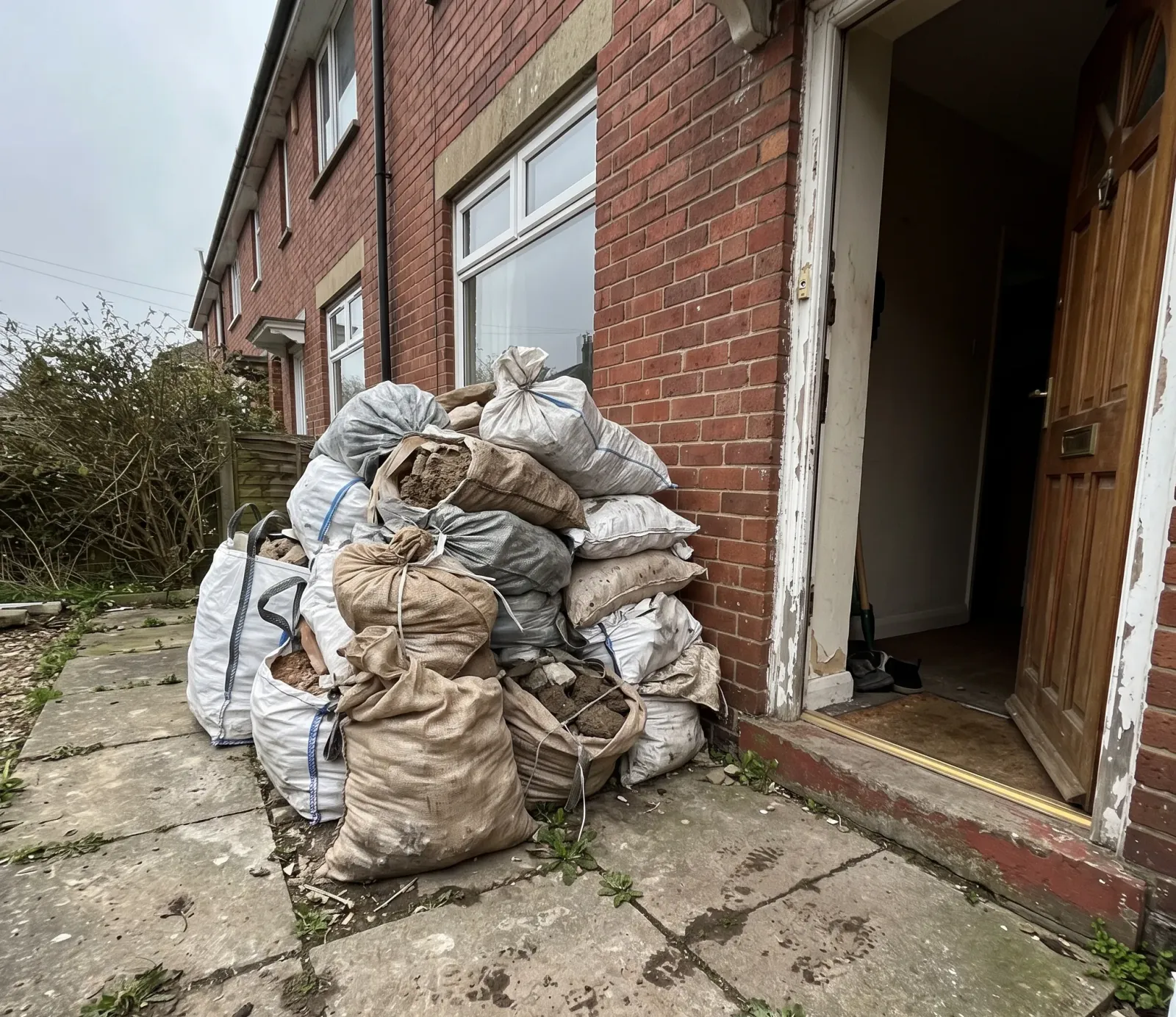
Water damage in dormitories and campus buildings, where shared risers and semester timing change the response.
Student housing needs fast water extraction and containment because shared risers and stacked units mean one line failure reaches several rooms, and empty periods like winter break let damage run unnoticed until a scheduled walkthrough finds it.
A student housing water event runs on a different clock than a house call. Georgia Tech, Georgia State, Emory University, Clark Atlanta, Morehouse, and Spelman all sit inside neighborhoods where purpose-built student housing, converted houses, and residence halls line the same blocks. A pipe breaks over winter break with a dormitory empty, or a sprinkler discharges in an occupied hall at 2 a.m., and the property manager is answering to a university housing office or a lease term, not a single homeowner. The building's occupancy pattern is the whole problem.
Shared risers are the structural risk that sets this property type apart from an ordinary rental. A supply line failure on an upper floor of a residence hall or a converted house near the Atlanta University Center can travel down through a common stack and land in five or six units below it before anyone on the affected floor even knows there is a leak. Facilities management often finds out from a ceiling stain two floors down, not from the unit where the failure started.
Atlanta's mild winters mean plumbing in older converted houses and even some campus buildings near Emory University or the Georgia Tech area is not always built for a hard freeze. When one does arrive, a building sitting mostly empty over a semester break is the last place anyone notices a burst line right away. By the time a facilities director walks the property, water extraction is already competing with a set move-in date on the academic calendar.
A sprinkler discharge in a dormitory is a different event than a burst pipe, and it has to be treated differently from the first call. Sprinkler water is usually cleaner than a sewer backup, but it arrives fast, under pressure, and often across an entire wing at once, soaking common areas, hallway carpet, and multiple resident rooms before the system shuts down. Containment has to go up before drying equipment goes in, or the same water keeps finding its way into adjoining rooms through the corridor.
Occupancy status changes the actual work. A residence hall full of students mid-semester means drying equipment has to run around people living there, common areas still have to function, and access to individual rooms depends on coordinating with residents rather than one property owner with a master key. An empty building over a break is the opposite problem: nobody notices standing water until the smell or the stain shows up, so the loss has usually been sitting far longer by the time it is found.
| Failure Point | What It Affects | Why Speed Matters |
|---|---|---|
| Riser or stack failure | Multiple stacked units | Extraction plus containment per floor |
| Sprinkler discharge | One room, often below too | Carpet and drywall drying, fast |
| Break-period pipe freeze | Empty building, unnoticed days | Extraction plus moisture mapping |
| Common area leak | Lounge, laundry, or corridor | Drying with foot traffic containment |
| Roof or envelope leak | Top-floor rooms, shared ceiling | Structural drying, ceiling assessment |
| Bathroom supply line failure | Single suite, adjacent rooms | Extends into finals and move-out chaos |
| Sprinkler discharge in a dorm room | Wide-area soaking of belongings, ceiling below | Extraction and drying before mold sets in |
| Winter break, building sitting empty | No one around to catch it early | Days of unseen loss before discovery |
Speed matters here for a reason specific to the academic calendar. A semester has fixed dates: move-in, finals, a set number of teaching weeks. A repair window that would be routine for a landlord managing an empty unit becomes a business interruption problem when it lands during a semester a university or a housing operator cannot simply extend. Structural drying that drags on doesn't just cost money, it eats into occupied time nobody can get back.
A dormitory riser failure rarely stays on one floor. Shared stacks mean a bathroom leak on floor four shows up as a ceiling stain on floor two, and a property manager at Georgia State or Georgia Tech is suddenly coordinating access across six occupied rooms instead of one. Winter break empties buildings but not pipes, so a burst line can run for days before anyone notices. Facilities staff need extraction and structural drying scheduled around exam periods and move-out dates, not around convenience, with containment set up so classes and residence-hall life keep running while the affected wing dries.
Common areas carry their own version of the downtime pressure. A lobby, a shared kitchen, a laundry room, or a study space that floods in a dormitory affects every resident on that floor or in that wing, not just one lease. Facilities management often has to keep some part of the building functioning for residents who still live there while drying and repair work is underway elsewhere in the same structure.
Property managers and facilities directors overseeing student housing near the Atlanta University Center, Georgia State University, or Emory University campus are usually managing more than one building on a similar calendar, which means an emergency response plan matters more here than it would for a single rental house. Knowing who to call, who has access to which floor, and how a claim gets documented before the semester's rhythm resumes is worth having settled before a stack failure happens, not during it.
Documentation carries more weight in a multi-unit residence hall than in a single house, because one riser failure can generate damage claims across several rooms or units at once. The pros connected through this site document moisture readings and extraction records per affected space, which matters when a housing office, an insurer, or a university facilities department needs to see exactly which rooms were affected and when the work started.
Converted houses near campus sit in an odd middle ground: built as single-family homes, now split into multiple student units, often with plumbing that was never designed for that occupancy load. A property manager running several of these near Georgia Tech or the Atlanta University Center area is dealing with older supply lines carrying more daily use than the original house was built for, which raises the odds of a failure showing up with little warning.
University buildings themselves, classrooms, administrative offices, libraries, add another layer: these spaces have their own occupancy schedule tied to class times rather than a lease, and a water event during finals week or an accreditation visit carries a different kind of pressure than one during a quiet week in the semester. Getting water extraction and structural drying started fast is what keeps a facilities problem from becoming a scheduling problem too.
How much does water damage restoration cost for a residence hall or a converted student property? Georgia Tech, Emory University, and Clark Atlanta all sit in areas with a genuine mix of old and new construction, and the price depends on how many rooms or units the stack failure or sprinkler discharge reached, how long the water sat before anyone found it, and whether drywall or flooring needs to come out. Every job gets an on-site estimate rather than a number quoted over the phone.
A few questions come up often enough to answer directly here. Who pays when a shared riser damages six units instead of one? That is usually sorted between the property's insurance and its lease terms, not something to guess at without documentation in hand. Can drying equipment run in an occupied dormitory without displacing residents? Often yes, with containment set up around the affected area. And how fast can someone get eyes on an empty building over a semester break? That is the exact situation an emergency response plan is meant to shorten.
A residence hall claim moves faster when facilities management has already logged the unit count, the riser it sits on, and whether the building is occupied or between semesters. That single call replaces days of a property manager chasing down access and explaining the layout on-site. Georgia Tech, Emory University, Clark Atlanta University, Spelman College, and Morehouse College all sit inside this same occupancy pattern, whether the building is a residence hall, a converted house near campus, or a classroom block with a break-related failure.
Timing decides more than technique. Once carpet or drywall stays wet past a day or two in this humidity, colonization risk climbs fast, whether the house sits near Peachtree Creek or up on a drier ridge lot. Getting air moving and moisture measured early is what keeps a small leak from turning into a bigger rebuild.North Druid Hills 30329, Heritage Valley 30331 and Georgia Tech 30332. A pipe that bursts in January behaves differently than a storm backup in July, and Atlanta sees both. Winter freezes are uncommon but hard on plumbing that was never built for them, while summer storms push water toward low ground near the Chattahoochee. The licensed pros we connect you with size up which kind of loss they are looking at before touching anything.
Water moves downhill fast in Atlanta because the red clay under most yards barely lets it soak in. Near the Chattahoochee River, in low spots by Peachtree Creek, or under an older foundation in Grant Park, that runoff finds the nearest crack or low seam within hours. The licensed pros we connect you with pull moisture out before it settles into framing or drywall.A commercial loss in Atlanta, from a Buford Highway strip retailer to a Perimeter Center office floor, usually carries a wider drying footprint and equipment count than a house. Expect the estimate to separate square footage, dehumidifier count and days running, since that combination drives the total more than the water source itself. pricing guide, and the commercial overview covers how a scheduled program works.
Condo & HOA
Hospitality Response
Food Service
A dormitory built on a shared riser can send one bathroom's overflow into every unit stacked below it. Facilities management should shut the riser's isolation valve, not just the fixture, and check the floors under the source before assuming the leak is contained. Buildings near Georgia State University and Georgia Tech commonly share this stacked plumbing layout.
A sprinkler discharge in a residence hall soaks carpet, drywall, and often a hallway of adjoining rooms in minutes, and it is treated as a structural drying job, not a mop-and-fan situation. Facilities management should document the discharge for the insurer, restrict the affected floor, and get containment and extraction started before residents move belongings back in.
A burst line discovered after a winter break means the water has usually been running for days with nobody in the building. Facilities management should expect standing water has traveled through multiple floors and common areas, not just the source room, and should plan structural drying and mold remediation into the timeline before residents return for the next semester.
Common areas near Georgia Tech's Tech Square, Clark Atlanta University, and the Atlanta University Center area often sit below stacked dormitory floors, so a leak reported upstairs may already be pooling in a lounge or study room downstairs. Facilities management should check adjoining common areas immediately, not just the reported unit.
Managing a dormitory, residence hall, or campus building water event? Call the number on this page for extraction, drying, and containment scheduled around the term.
Call (404) 496-7950