Restaurants & Food Service
Food Service
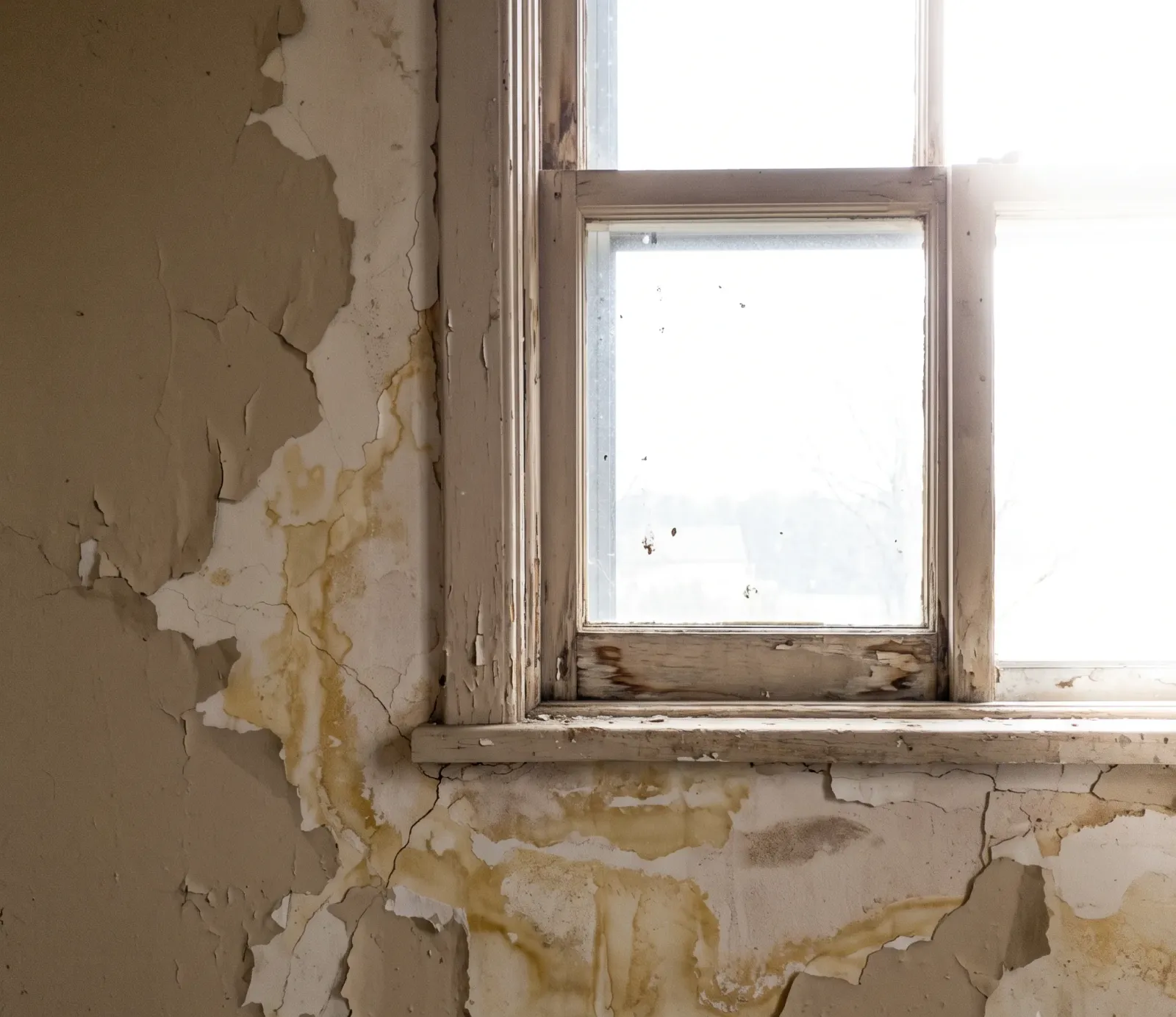
Water damage response built around master policies, unit owner disputes, and what the bylaws actually say.
Water damage in a condo or HOA property usually splits between the association's master policy, which covers common elements and the building envelope, and the unit owner's own policy, which covers interior finishes and personal property. Bylaws decide gray areas.
A condo or HOA water loss in Atlanta rarely stays inside one unit. A supply line failure two floors up can travel through shared framing and land in a unit whose owner did nothing wrong, and the first question every board and owner asks is who pays. That question sits on top of the wet drywall from the start, because a slow answer on responsibility usually means a slow start on drying, and in Atlanta's summer humidity that delay has a real cost measured in mold, not just paperwork.
The association's master policy and the unit owner's own policy are written to cover different things, and the line between them runs through the building itself. Common elements and the building envelope generally sit with the association; a unit owner's interior finishes, personal property, and any betterments and improvements they added generally sit with them. Atlanta's mix of pre-war conversions and newer slab-on-grade condo buildings, from Old Fourth Ward to West Midtown, means that line gets drawn differently depending on when and how the building was built.
None of that gets sorted on site, and it shouldn't have to be before water extraction starts. The response the licensed pros we connect you with provide is built to document damage by location and likely source as it's found, so the board, the property manager, and the affected owners each have a record that matches what an adjuster or the association's counsel will eventually ask for, whether the loss touches one unit or the shared chase behind six of them.
A leak that starts in a limited common element, like a balcony drain or an in-wall pipe serving one unit, sits in a gray zone almost by design. It is not fully private, and it is not fully shared either. Bylaws usually spell out who is responsible for that specific element, but bylaws vary building to building, and a management company juggling several Atlanta associations at once cannot always quote a given building's language from memory when an owner is calling about water coming through a ceiling.
That ambiguity is exactly where a fast, well-documented response earns its value. Photographing moisture readings, tracing the path water actually took through a wall or ceiling cavity, and noting which materials were affected gives the board something concrete to check against its own governing documents, rather than relying on an owner's account or a manager's guess after the fact. It does not resolve the coverage question, but it keeps that question from being argued on incomplete information.
| Area | Typically Covered By | Common Dispute |
|---|---|---|
| Roof or building envelope leak | Master policy, usually | Owner policy for contents damaged |
| Shared wall pipe failure | Depends on bylaws | Often disputed, check limited common element clause |
| Owner-installed flooring or cabinets | Owner policy | Betterments and improvements, rarely covered by master |
| Common hallway or lobby flooding | Master policy | Association handles cleanup and claim |
| Master policy deductible shortfall | Loss assessment to owners | Or a board-issued special assessment |
| Multi-unit sewage backup | Association investigates source first | Whether the leak started above or below |
| Betterments and improvements | Unit owner policy, usually | What counts as a betterment |
| Loss assessment shortfall | Association reserve fund or special assessment | Whether reserves cover the gap |
A pipe or roof failure in a condo building rarely affects one unit's finishes alone. Shared plumbing chases, common hallways, and stacked units mean a slow response can turn a single-unit leak into a multi-unit claim before anyone has agreed on whose insurance is supposed to respond. In an Atlanta building near the BeltLine corridor, where recent condo and loft construction sits close to older stock, the buildings involved can be decades apart in age and built completely differently underneath.
Speed matters here for a reason boards understand quickly once it's explained: mold can begin colonizing a wet material within roughly 24 to 48 hours indoors, and Atlanta's summer dew points keep that clock running even after the visible water is gone. A drying response delayed by a week of phone calls about coverage can turn a contained leak into a remediation job across multiple units, which is a materially different, and more expensive, claim for everyone attached to the master policy.
Insurance disputes on Atlanta condo losses usually start with the same question: who pays. The master policy generally answers for common elements and the building envelope; the unit owner policy answers for interior finishes, personal property, and betterments and improvements the owner added. When a pipe fails behind a shared wall in an Old Fourth Ward loft conversion, that boundary gets tested immediately, and a board weighing a special assessment against reserve fund reserves wants documentation that holds up before bylaws-driven decisions get made.
A loss assessment is what most owners in an Atlanta condo building first hear about only after a claim goes sideways: if damage to common elements exceeds what the master policy covers, or the deductible on that policy is high, the association can pass the remainder to owners through a special assessment. That number depends heavily on how completely the damage was documented when it happened, and how clearly the drying and repair work was separated between common-element and unit-owner scopes.
Reserve funds are meant to absorb some of this, but a reserve fund built for routine maintenance is not always sized for an unexpected water event across several units. Boards that end up short have two options: a special assessment or a loan, and both are easier to justify to owners when there's a clear paper trail showing what was damaged, what it cost to address, and why the timeline moved as fast as it did once the loss was discovered.
An insurance dispute between the association's carrier and a unit owner's carrier over where responsibility starts and ends is common enough that boards in Atlanta buildings should expect it as a possibility on any loss involving shared building elements. These disputes tend to center on the building envelope, on common-element plumbing serving multiple units, and on whether a given repair counts as restoring the building or restoring a betterment the owner installed themselves.
None of that dispute gets easier to resolve later if the early documentation is thin. Clear records from the moment of discovery, showing moisture levels, affected materials, and the physical path water took through the structure, give both carriers something factual to negotiate over instead of competing narratives assembled weeks after the drywall was already replaced.
Every condo or HOA water event in an Atlanta building comes with the same immediate question from the board: what actually happened, where, and how far did it reach. That's a documentation problem before it's an insurance problem, and it has to be answered while the water is still there, not reconstructed afterward from an owner's memory or a maintenance log.
The response the licensed pros we connect you with provide is organized around that need, tracking the loss by unit, by common element, and by likely cause as the work happens. Whatever the association's bylaws or master policy ultimately decide about who pays for what, that record is the same one the board, the property manager, and every affected owner will end up needing.
A dispute between a board and a unit owner over who pays rarely stays out of the timeline. While the association's carrier and the owner's own unit-owner policy argue over the line between common element and limited common element, water sitting under a slab-on-grade unit in a building like the ones near Old Fourth Ward keeps working. The licensed pros we connect you with document everything as they go so both adjusters have what they need, but drying starts the same day regardless of how the coverage question resolves.
Intown condo conversions around Old Fourth Ward and West Midtown are usually slab-on-grade, while older brick ranches near East Lake often sit on a crawl space. Each responds differently to a leak. The licensed pros we connect you with read the construction type before deciding how a space needs to dry.Inman Park 30307, Old Fourth Ward 30308 and Midtown 30309. A pipe that bursts in January behaves differently than a storm backup in July, and Atlanta sees both. Winter freezes are uncommon but hard on plumbing that was never built for them, while summer storms push water toward low ground near the Chattahoochee. The licensed pros we connect you with size up which kind of loss they are looking at before touching anything.
A hard freeze is rare in Atlanta, so plumbing in older sections near Candler Park and Druid Hills was never built with much margin for one. When temperatures do drop, burst pipes show up in clusters within days, and the pros we connect homeowners with plan for that seasonal spike rather than treating each call as unrelated.A commercial loss in Atlanta, from a Buford Highway strip retailer to a Perimeter Center office floor, usually carries a wider drying footprint and equipment count than a house. Expect the estimate to separate square footage, dehumidifier count and days running, since that combination drives the total more than the water source itself. pricing guide, and the commercial overview covers how a scheduled program works.
Food Service
Commercial Property
Healthcare Facilities
It depends on where the water started. A pipe break inside your unit is typically your responsibility under your unit owner policy, while damage from a common element like a roof or shared plumbing stack usually falls to the association's master policy. Atlanta condo buildings, including BeltLine-corridor conversions in Old Fourth Ward, often see disputes over that line — the board and both insurers should be looped in before drying work starts, not after.
Yes. The licensed pros we connect you with will work directly with the board, the property manager, and both carriers' adjusters so nobody is chasing separate explanations. In a building with shared plumbing or a common wall, one leak can touch more than one unit, and coordinating with the association up front keeps the scope and the paperwork consistent across everyone affected.
Not usually, and speed is the reason. Indoor humidity in Atlanta stays high enough in summer that a wet wall cavity or subfloor can start growing mold within one to two days if it sits. Getting extraction and drying equipment in fast, before the loss assessment or the insurance dispute gets sorted out, is what keeps a plumbing leak from turning into a bigger reserve fund draw later.
That's between the board and its insurer, but it comes up often enough to mention. If the building's master policy has a high deductible or the loss pushes past what the reserve fund covers comfortably, a board may consider a special assessment rather than draw down reserves meant for other capital needs. That decision sits with the board, not with the drying work itself.
Call the licensed pros we connect you with before the board meeting, so drying starts and both policies have documentation to work from.
Call (404) 496-7950